Embedding Recognition into the Everyday Employee Experience



Key Takeaways:
Identify and eliminate "recognition deserts" by using data to find employee groups, such as offline or deskless workers, who are currently being missed by recognition efforts.
Integrate recognition into existing leader rituals, such as shift huddles and handoffs, to make appreciation a repeatable, everyday habit.
Deploy diverse recognition tools, including customer-to-employee recognition and mobile apps, to ensure reach and equity across the entire workforce.
Performance expectations are rising across industries. Targets are higher, work is moving faster, and customers are demanding more personalised, high-quality experiences. At the same time, employees need support that feels real and immediate, not abstract values statements or once-a-year programmes.
When companies embed recognition into the everyday flow of work, it becomes a driver of healthy performance, connection, and resilience. The challenge is ensuring it reaches everyone, everywhere work happens.
Watch the on-demand webinar where Alex and Mimi share how to activate recognition across your entire organisation.
Done well, recognition reinforces the behaviours that drive results, clarifies priorities, and makes success visible, something many organisations struggle to do consistently. It also pairs performance with support, creating the conditions for sustainable, healthy performance rather than burnout-driven output.
But not all recognition delivers the same impact. The difference lies in integration. Integrated recognition is consistent, meaningful, and woven into how work actually happens. It’s not an isolated programme or a one-time initiative. It’s part of the operating rhythm of the organisation.
In cultures where recognition is truly integrated, employees experience several things consistently:
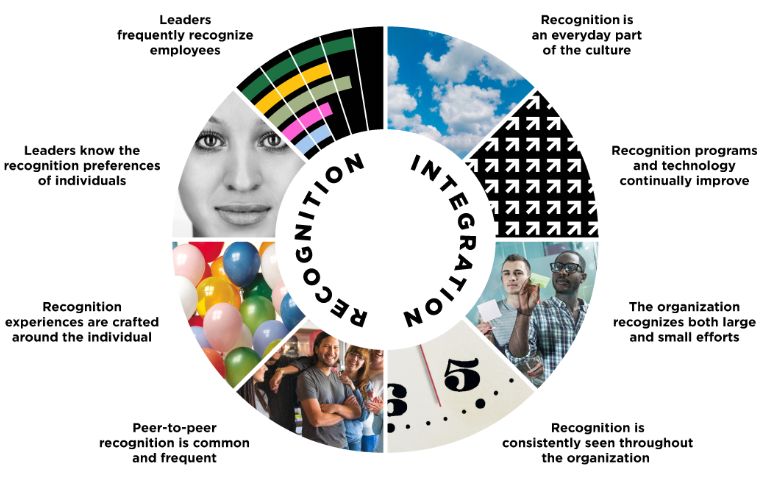
When these elements come together, recognition drives three outcomes that organisations urgently need: stronger connection, healthier high performance, and greater readiness for change.
Get the latest data on the impact of integrated recognition that’s personalised and meaningful in the State of Employee Recognition report.
Employees feel connected because their work is seen and tied to purpose. Teams perform better because expectations are clearer and good work is reinforced. And organisations become more resilient because trust grows and change feels more navigable.
Despite good intentions, many organisations face a persistent challenge: recognition does not reach everyone equally.
Large segments of the workforce, particularly offline, frontline, deskless, or shift-based employees, are often missed by traditional recognition approaches. Access to tools may be limited, visibility into work moments may be lower, and technology assumptions don’t always match reality.
This creates what can be thought of as “recognition deserts”: areas of the organisation where meaningful recognition rarely reaches, even though impactful work is happening every day.
These gaps are rarely intentional. They stem from uneven access, timing challenges, channel mismatches, and assumptions about technology fluency. The result, however, is significant. Employees who are least likely to be recognised are often those closest to customers and core operations—exactly the people organisations can least afford to disengage.
Closing this gap requires a more intentional, flexible approach to how recognition flows through the organisation.

To embed recognition into everyday employee experience, organisations need multiple pathways, not a single solution. An effective recognition strategy is powered by three complementary engines, all working toward the same standard of integration.
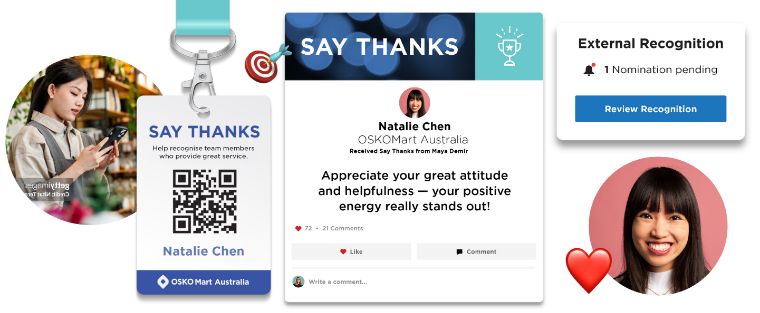
Few forms of recognition carry as much emotional weight as gratitude from a customer. When employees see the direct impact of their work through customer appreciation, recognition becomes deeply meaningful and credible.
Customer-to-employee recognition captures these moments and brings the voice of the customer into the employee experience. It highlights skills that often go unnoticed (like patience, care, problem-solving, and de-escalation) and reinforces a sense of belonging for frontline teams.
The most effective approaches keep customer feedback authentic, share it quickly, and circulate it where teams gather so others can learn from it. When customer recognition becomes a regular feedback loop, it not only boosts morale but also creates a valuable source of insight and storytelling for the organisation.
How to do this with O.C. Tanner
Say Thanks enables customer-to-employee recognition by capturing authentic customer gratitude through a simple link or QR code. These moments flow directly into your recognition ecosystem, giving frontline employees visible, credible appreciation from the people they serve. By bringing the voice of the customer into everyday recognition, Say Thanks reinforces purpose, belonging, and the real impact of employees’ work.
Leaders are the fastest path to where work happens. They intersect with daily work moments, understand context, and can tailor recognition to individual preferences.
For many employees, especially offline and frontline teams, leader recognition carries more weight than peer recognition alone. It signals visibility, trust, and opportunity. It also helps clarify what “good” looks like in a way that scales beyond a single individual.
The key is making recognition a repeatable leader habit, not an added burden. This means starting with small, reliable cadences, providing clear guidance on what to recognise and why, and equipping leaders with simple, accessible tools. When leaders are supported with the right resources and choices are intentionally curated, recognition becomes easier, faster, and more authentic.
How to do this with O.C. Tanner
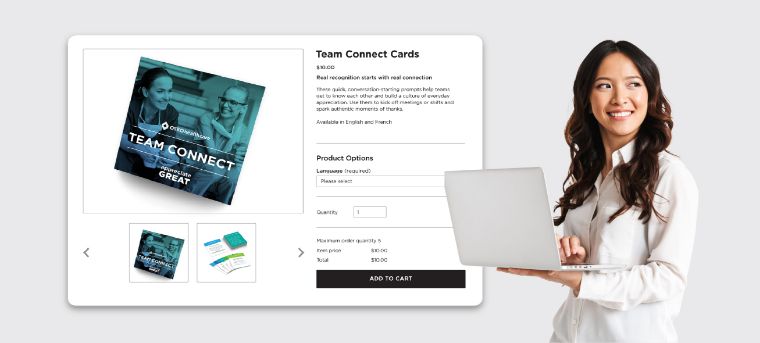
Manager Store empowers leaders to deliver recognition in the flow of work through a curated online marketplace of tangible awards, certificates, pins, and branded items. Designed to support leader-led recognition, especially for frontline and offline teams, Manager Store makes recognition easy, repeatable, and personal while helping leaders recognise more people, more often.
No single channel can reach every employee. Mobile and offline pathways are essential for closing access gaps and ensuring recognition works in production floors, restricted environments, field locations, and anywhere technology access is limited.
Get all the insights into what offline and deskless employees want from their recognition programme in the Global Culture Report.
In these settings, technology often plays a supporting role (handling logistics, tracking, and replenishment) while delivery remains human and visible. QR codes, physical recognition tools, printed prompts, and low-friction redemption options all help bring recognition into environments where phones, desktops, or logins aren’t always practical.
The goal is simple: eliminate recognition deserts by ensuring there is a clear, workable pathway for every employee to give and receive recognition, regardless of how or where they work.
How to do this with O.C. Tanner
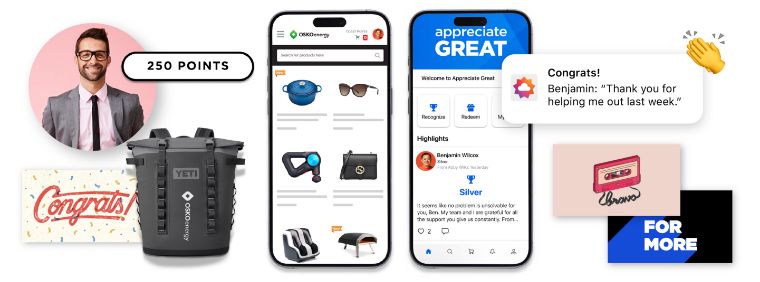
The Culture Cloud mobile app brings recognition directly to employees wherever work happens. With simple, on-the-go access to giving and receiving recognition, redeeming awards, and engaging with recognition moments, the app helps organisations extend recognition beyond desks and desktops—making appreciation an everyday, accessible experience.
Activating recognition doesn’t require a massive rollout. The most effective approach is focused and iterative.

By starting with one gap and proving impact, organisations can build momentum and expand with confidence.
Recognition scales culture when it travels where work happens. When activated intentionally, it closes equity gaps, reinforces what matters most, and helps people feel seen for the work they do every day.
See how O.C. Tanner can help you reach every employee and create meaningful recognition moments with impact. Schedule a demo.