Updated on
April 13, 2026
13 April 2026
Today’s leaders must do more than manage through change. Rapid advances in technology, shifting generational expectations, and evolving cultural norms are redefining what it means to lead effectively. Leaders must continuously adapt, embracing new mindsets and skills to inspire, connect, and empower employees in a dynamic world of work.
Too many leaders are still stuck in a traditional leadership mindset. They fall back into old habits of trying to control employees rather than mentoring and helping their people develop. This robs employees of the opportunity to take ownership and lead on their own. Instead, leaders should see their primary role as inspiring great work rather than micro-managing and trying to do it all themselves.
Get the data and insights on the role of hope and inspiration in the workplace—and how leadership styles impact your team’s performance. Read the 2026 Global Culture Report.
What kind of leaders do you have in your organisation?
For the past 100 years, leadership has not changed much. Most companies still offer a high percentage of decision-making power to a select few. Leaders at these organisations still call the shots of what their teams work on, how they work, and when and where they work. Many managers tend to micromanage instead of inspire their people. They act as gatekeepers, rather than advocates, for career development.
Leaders are critical to building stellar employee experiences and thriving workplace cultures. Research shows managers influence the most important aspects of the workplace for employees: purpose, opportunity, wellbeing, appreciation, and success. And yet, as the modern workplace has evolved, traditional leadership styles have not. What worked for factories in the 1900’s no longer applies to today’s mobile, deskless, and autonomous workforce.

The evolution of the workplace
As the modern workplace evolves, so must the role of leaders. Today’s workplace looks like this:
74% of employees have the ability to move to different areas to do their work
52% of employees say they have some choice over when they work
43% of employees work away from their team at least some of the time

Employees are no longer clocking into work at 8am, being given their task for the day, sitting at their desks for 9 hours, and clocking out at 5pm. The modern workforce is highly mobile, with employees who demand flexibility and autonomy in their work.
Research shows the old model is not effective. According to the Global Culture Report, more than half of employees say their leader won’t give up control over anything. Only 26% of employees feel their leader encourages collaboration, and only 59% believe their leader values them. In fact, 1 in 5 employees say their leader regularly expresses doubts about them. It’s clear. These leaders are not inspiring innovation or creating a sense of belonging.
Leadership needs to evolve to meet the needs of the modern workforce. The best managers mentor and coach, inspire great work, trust their people, and empower them to own their work—including when and how it gets done. Organisations with this type of leader will attract top talent, have engaged employees, and retain their best people.
What makes someone a good manager?
The modern leadership paradigm emphasises connection, empowerment, and shared responsibility. Modern leaders focus on empowering their people to make decisions and do great work.
The most effective managers are those who replace command-and-control behaviours with coaching, empathy, and empowerment. Modern leaders focus on building genuine connections—linking people to purpose, accomplishment, and one another. They develop trust by guiding the unique contributions of every team member.
Instead of directing in a top-down style, great managers create environments where employees feel ownership, inclusion, and meaning in their work. In essence, modern leadership is less about authority and more about enabling people to thrive at work—turning managers into mentors and workplaces into communities of growth and belonging.
Learn from two senior researchers at the O.C. Tanner Institute about what it really takes to help each employee thrive at work. Watch the on-demand webinar.
Why modern leadership matters now
Rapid advances in technology, shifting generational expectations, and evolving cultural values are transforming what people need and expect from their leaders. Employees now seek purpose, belonging, and authenticity, not just direction. Hybrid and global teams require connection and trust that transcends location. And with burnout, disengagement, and constant change pressing on organisations, leadership is no longer about authority—it’s about empathy, adaptability, and inspiration.
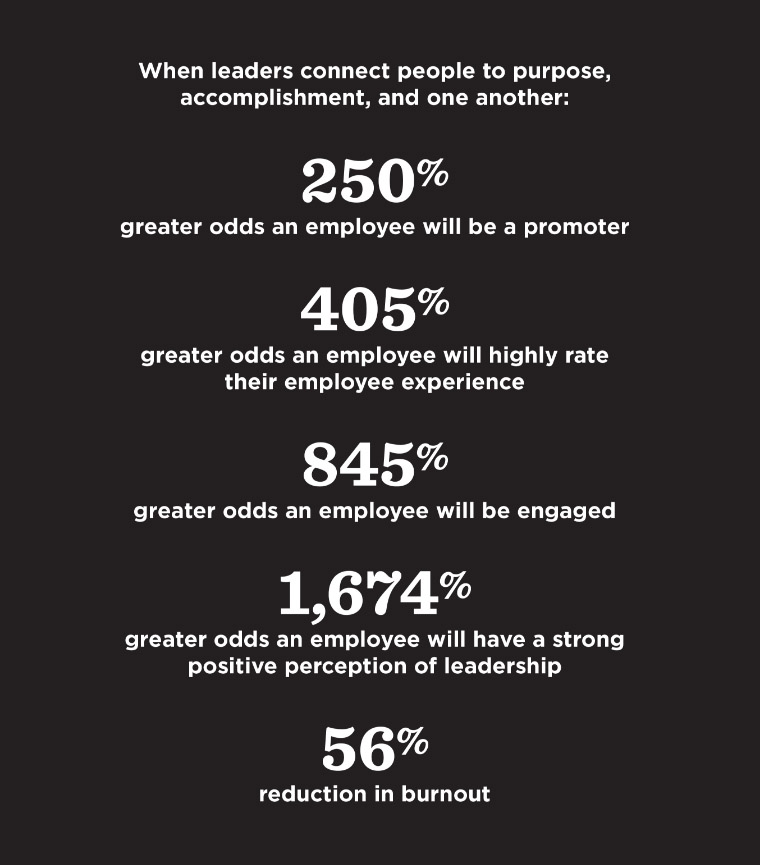
Modern leadership directly impacts how your people experience work. When managers and leaders cultivate trust and connection, they unlock innovation, engagement, and resilience across their teams. In a world where people can choose where and how they work, modern leadership separates your organisation from those falling behind.

Modern leadership improves organisational outcomes
A modern leadership style has tangible outcomes. Organisations with modern leadership practices show stronger culture, engagement, retention, and performance. Conversely, sticking to the traditional model can hamper innovation, reduce belonging, and limit growth.
As workplaces become more dispersed, diverse, technology-enabled and expectation-rich (with younger generations, hybrid work, etc.), leadership models must evolve to match. The old command-and-control style simply does not map onto today’s realities.
CASE STUDY
COMMITTING TO THE MIDDLE
While most companies spend resources on senior-leader development and support, Standard Chartered, a retail bank in the UK with 750 branches in over 50 countries, decided to focus on middle managers as key figures in its growth. The bank wanted to create a sense of managerial community.
So, it built an accreditation process that focused on developing leadership skills such as building trust, aligning teams, and making bold decisions. The executive team strengthened the sense of community by taking the challenges these mid-level leaders faced and making them a priority for the entire company. It also implemented a new coaching platform to build a deep coaching culture, vital for modern leadership. All of these efforts have boosted leaders’ skills, confidence, and sense of connection and community at work.
HR’s role in transforming leadership
You don’t have to stand back and watch traditional leadership practices weaken your culture. Instead, empower leaders and managers to help your employees thrive.
1. Encourage modern leadership.
Teach managers to mentor and inspire rather than micromanage and help your leaders share leadership. Let them know that leaders don’t always have to have all the answers and power. They can give ownership and autonomy to employees and trust them to make good decisions. When employees feel empowered to lead, there is a 78% increase in engagement and 255% increase in great work happening.
2. Hold leaders accountable for having meaningful one-to-ones.
An annual review is not enough. Use HR apps, like O.C. Tanner’s Culture Cloud, to track when leaders meet with their people and give them resources to have the right conversations. Focus on opportunities for development, yes, but also build in time to check in with employees on how they are doing, ask about their wellbeing, give advice/support on current projects, and have ample opportunities to give praise and recognition. When employees have ongoing, meaningful one-to-ones with their leaders there is a 430% increase in engagement and 432% improvement in their perception of leaders.

3. Ensure leaders connect their people to these 3 things.
Purpose, accomplishment, and one another. Leaders must know their employees well and connect their specific work to your organisation’s purpose. They should also be good at giving recognition when people do great work and broadcasting that success publicly. Also, encourage leaders to connect their people to other peers and leaders in the company through mentorship and networking opportunities.
4. Refocus leaders on the right things.
Work output rather than time put in, successes rather than failures, connection and influence rather than titles on an organisational chart. Focus on the everyday experience—the conversations, team dynamics, resources, work environment, and interactions that employees are having each day with leaders and your organisation.
Modern leadership practices lead to an improved employee experience. And companies with great employee experiences are:
- 13x more likely to have highly engaged employees
- 8X more likely to have great work happening
- 6X more likely to have promoters on the Net Promoter Score
- 2X more likely to have increased in revenue
- 3x less likely to have employees feeling burnout
By helping your leaders shift their focus and attention to things that matter most—connection, mentorship, autonomy—you can create a workplace culture where people are inspired and thrive.
See how Culture Cloud by O.C. Tanner can support your leaders and connect employees to purpose, community, and inspiration. Request a demo.
Turn Recognition Into Real Connection
Top