Updated on
April 24, 2026
24 April 2026
Do different generations have different perspectives on workplace recognition? Do they want and expect different things or is there alignment across the generations?
To find out, we brought together a panel with representatives from the Baby Boomer, Gen X, Millennial, and Gen Z generations to share their experiences and perspectives on what makes recognition meaningful, how awards can connect to personal and company purpose, and the elements that help employees thrive at work.
View the full panel discussion on how to tailor rewards and recognition across generations.
Workplace Recognition Across Generations: 4 Key Takeaways
1. For recognition to be meaningful, it must be personal, timely, and help employees feel seen and valued.
The generations agree: recognition feels most impactful when it's a surprise, comes from someone who personally witnessed their contribution, and is given close to the time of the accomplishment. This makes employees feel included and that their work matters.
What does this look like in practice?
- The element of surprise: As our Baby Boomer panelist explained, “recognition is really meaningful when it's a surprise, when I'm really not expecting anything." This unexpected validation reinforces that her efforts are seen and valued beyond the basic requirements of her job.
- Recognition from close collaborators: Our Gen Z panelist emphasised that "recognition that means a lot to me usually comes from someone that I've worked with personally, someone that's been able to see the way I work and what I've done, up close." This personal connection ensures the recognizer understands the effort involved and that makes the acknowledgment feel more authentic, especially for those new to their careers who are seeking validation and inclusion.

- Timeliness is key: Our Gen X panelist stressed the importance of timely recognition: "it really is more meaningful when it's timely, when it's given really close to the actual accomplishment." She noted that delayed recognition "loses that appeal and becomes old news." Timeliness demonstrates that the giver is paying attention to the employee's ongoing contributions.
Generational Consensus: While specific recognition preferences exist, all panelists agreed that meaningful recognition helps employees feel like their work matters and is being seen and valued.
We unpack employee perspectives on meaningful recognition (and more) in our State of Employee Recognition Report.
2. Workplace awards are seen as a way to communicate company purpose and values, particularly by younger generations.
Research from the O.C. Tanner Institute shows that 70% of Millennials agree that workplace awards should communicate a company’s purpose. That number drops to 54% for Baby Boomers.
Done well, workplace awards connect the dots between personal and company values. Millennials, in particular, want to work for organisations whose mission and values they believe in. Custom awards, like the Careerscapes offered by O.C. Tanner, serve as a tangible reminder of the connection between employee contributions and the company's core principles and can foster a lasting sense of pride.

Millennial Perspective: As our Millennial panelist shared, this generation really places an emphasis on career mobility as a means of career progression and wants to work for a place with a mission and values that they can get behind. Awards tied to purpose serve as a "feedback loop that can really accurately reflect that connection between the organisation and the values and the people that they hired to actually employ those values."
Baby Boomer Perspective: Our Baby Boomer panelist speculated that her generation might prioritise "personal pride for their work” over rewards and recognition. She highlighted that for her generation, knowing "they've given all their best on that particular day and each day that they come to work" is inherently satisfying.
Generational Consensus: While Millennials might show a higher statistical preference for purpose-driven awards, the underlying desire for symbolic recognition that reinforces commitment and alignment with organisational goals is present across generations.
Learn how employees really feel about symbolic awards in our latest State of Employee Recognition Report.
3. Employees thrive with access to flexibility, skill building, and career development—and each generation has its own priorities.
Research shows that employees are more likely to thrive at work when they have access to flexibility, skill building, and career development.
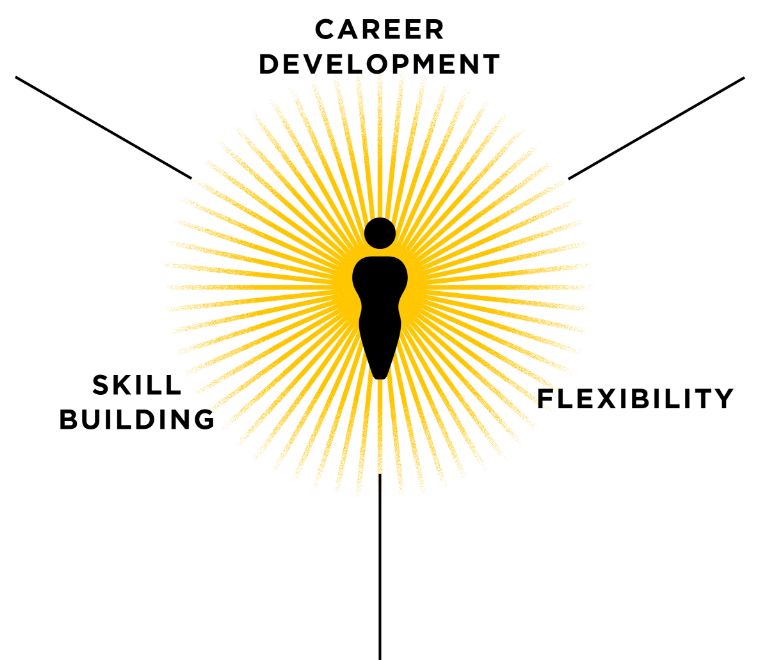
But how does each generation rank those three factors?
The Gen Z Perspective: Our Gen Z panelist shared that skill building and career development are top of mind for employees early in their careers. They want to work for companies that help them prepare for future roles and careers, employers who are "empathetic to the idea that I am imagining my trajectory and trying to decide what I would like to do next."
The Baby Boomer Perspective: Employees later in their careers prioritise flexibility. As our Baby Boomer panelist shared, she is "not looking to develop more career paths" and a company’s willingness to provide flexibility to attend to matters outside of work is priceless at this stage in her life.

The Gen X Perspective: According to our Gen X panelist, this generation also values flexibility and "the ability to balance personal and professional life." That being said, Gen X employees also want skill building opportunities, especially given rapid technological advancements like AI and the need to "stay relevant to my workplace."
The Millennial Perspective: This generation tends to be in the middle of growing their careers. And, in the case of our Millennial panelist, also in the thick of parenting and focusing on their families. These employees need all three elements to feel like they’re thriving: a balance between personal and professional life, the opportunity to develop key skills, and investment from a company in their career. This aligns with the Millennial expectation to "have meaningful work, but also balance that with our home lives and our community lives."
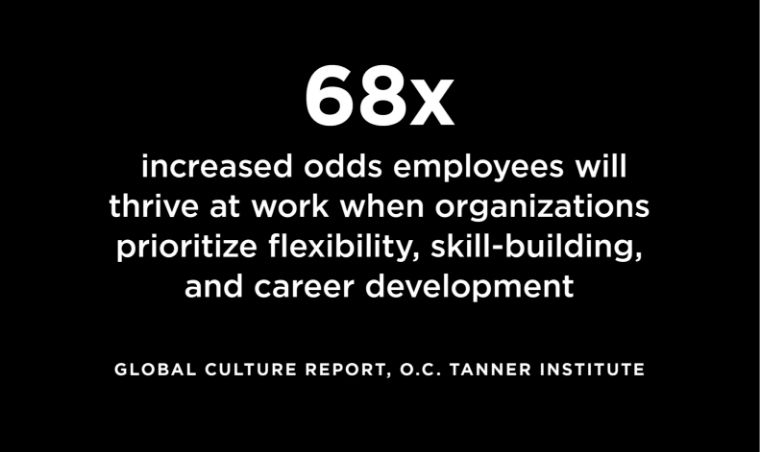
Generational Consensus: Flexibility is highly valued by those in later career stages who need to balance personal and family commitments, while career development and skill building are crucial for early-career professionals. A holistic approach encompassing all three elements contributes to a universal sense of thriving for employees regardless of age.
Learn how to craft a flexible work policy, backed by research from the O.C. Tanner Institute, that feels equitable to all generations and working styles.
4. The motivation to give recognition stems from a fundamental human desire to acknowledge and support others.
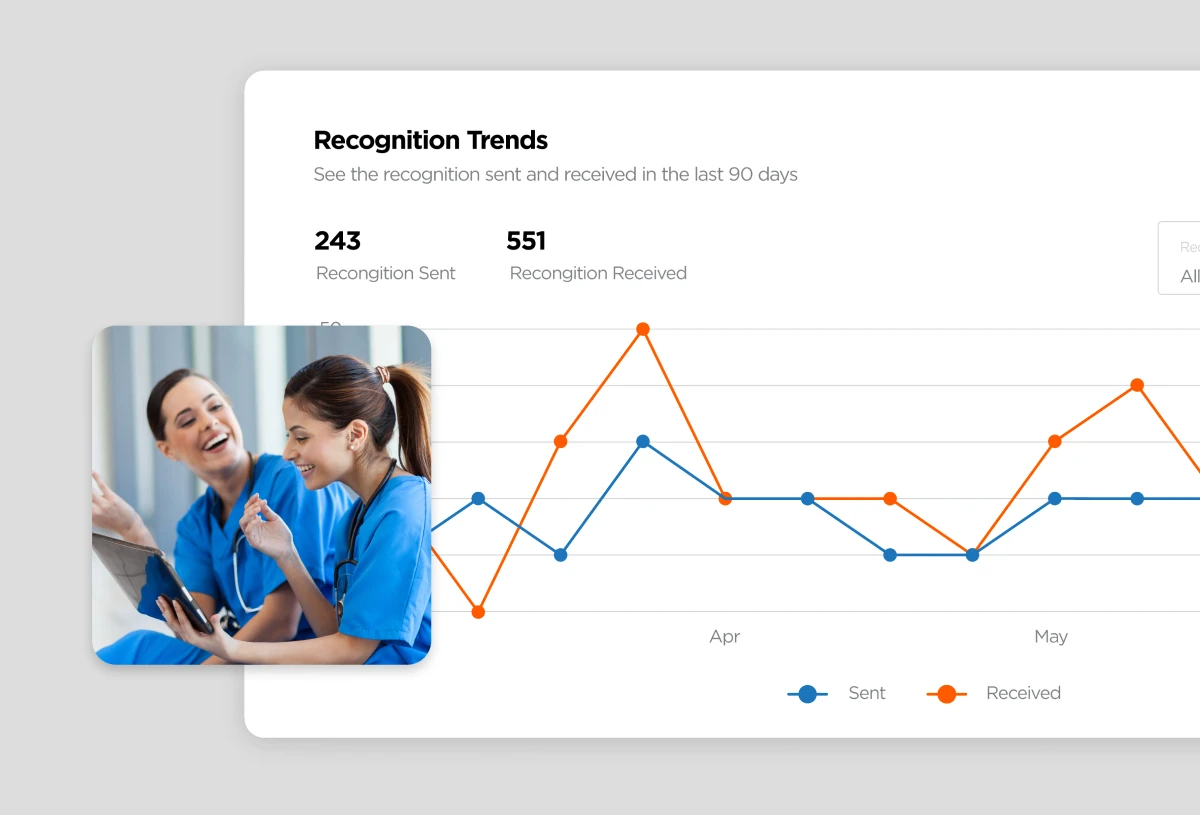
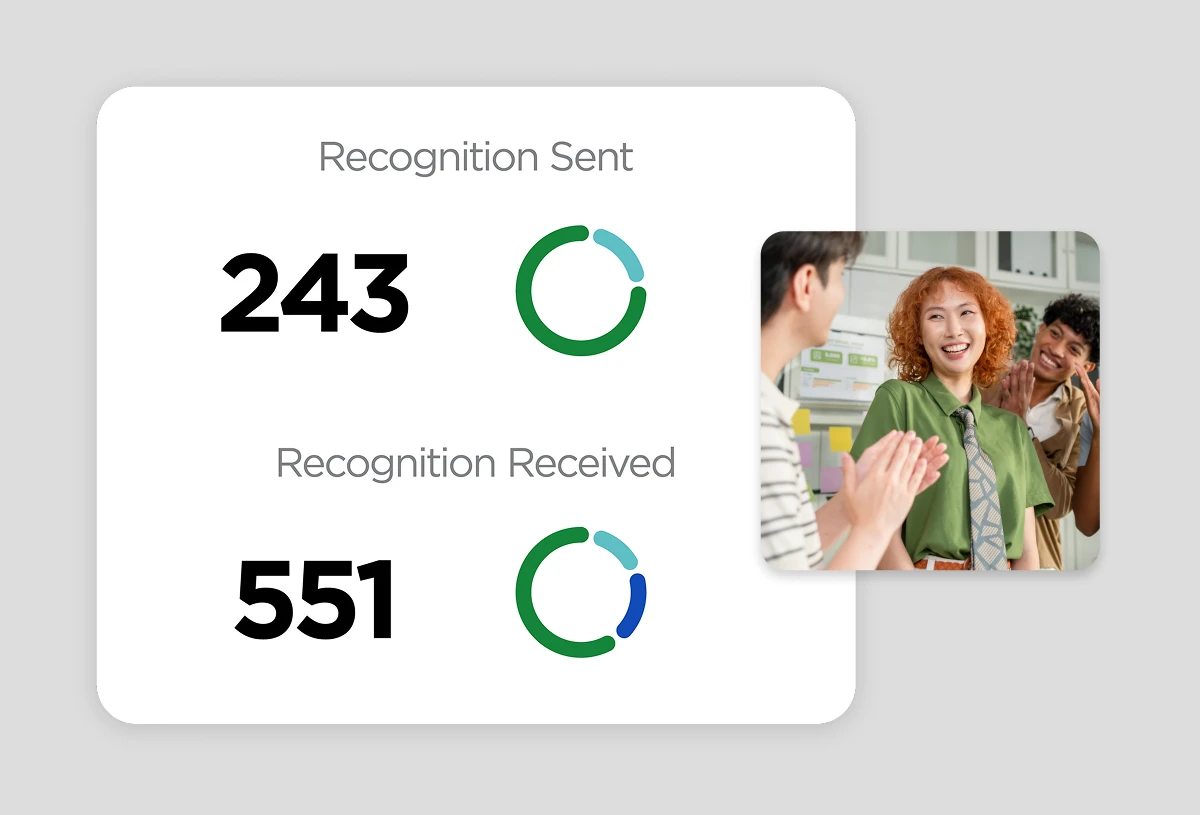
Peer-to-peer recognition is a concrete way to support teammates and show appreciation for behind-the-scenes efforts. It creates a virtuous cycle of gratitude and support among colleagues, regardless of their position.
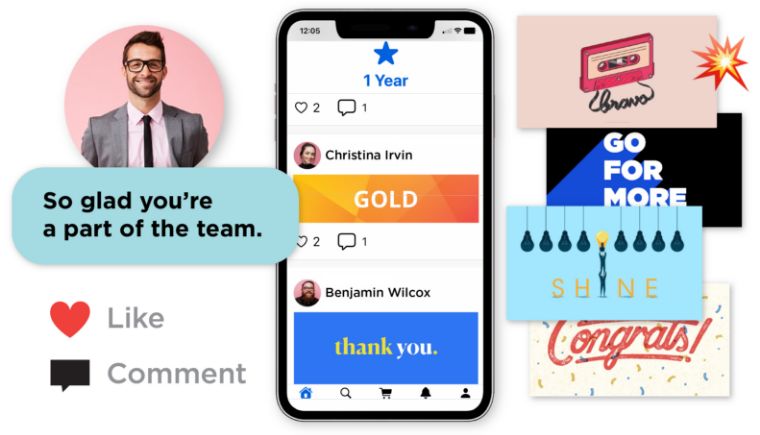
Our data shows Gen Z and Millennials are slightly more frequent givers of recognition (70% and 72% within 30 days) than Gen X and Baby Boomers (64% and 58%). Motivations to give recognition include:
- Showing teammates that their work is valued and appreciated
- Providing support and mentorship, especially to people early in their careers
- Building strong connections and relationships with team members
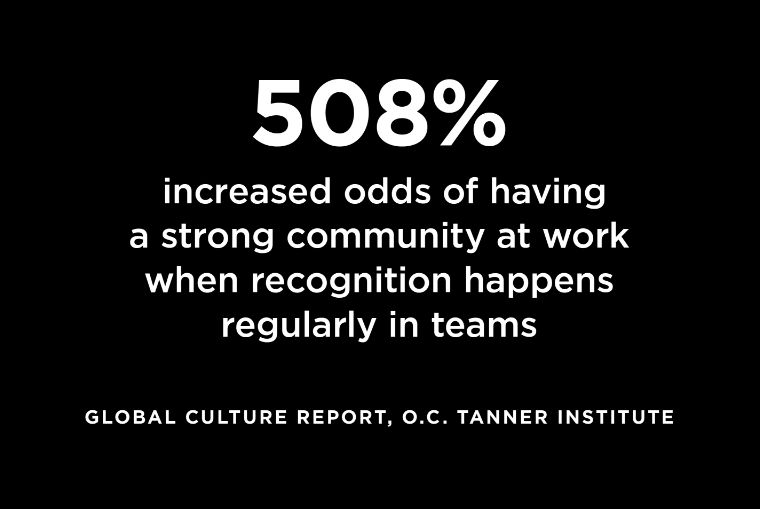
Generational Consensus: The core motivation to give recognition transcends generations—it's about acknowledging effort, valuing individuals, and building stronger interpersonal relationships and a supportive, appreciative work culture.
While some generational differences exist, when it comes to workplace recognition, the core human desire to be seen, valued, and connected to meaningful work remains universal.
Personalised, timely, and purpose-driven recognition—combined with flexible work environments and career development opportunities—helps foster a supportive culture for all employees.
For more data and insights into what employees want from their recognition programmes, download The State of Employee Recognition 2025.
Turn Recognition Into Real Connection
Top