Updated on
April 28, 2026
28 April 2026
Key Takeaways:
Recognition addresses the emotional need for connection and appreciation by making employees feel seen, whereas rewards provide a tangible acknowledgment of their achievements.
While they serve different purposes, recognition and rewards are most effective when integrated into a single strategy that creates a lasting sense of belonging.
Organisations that successfully combine these strategies see measurable business impacts, including higher employee engagement, improved retention, and a significant reduction in burnout.
People want to feel seen, valued, and celebrated for who they are, not just what they do. That’s why recognition and rewards form the foundation of a strong employee engagement strategy.
Recognition meets the emotional need for connection and appreciation. Rewards provide tangible acknowledgment for achievements. When integrated into your daily work culture, recognition and rewards create a synergy that builds community, belonging, and retention.

Companies with integrated recognition and reward strategies see measurable impacts on retention, productivity, and business outcomes. This powerful combination can help you reach every part of your organisation. While recognition creates emotional connection, rewards provide tangible value. When designed intentionally, they reinforce each other’s strengths and impact.
Let’s take a closer look at these strategies that should be at the core of your workplace culture.
What is employee recognition?
Employee recognition is the act of acknowledging a person’s efforts, achievements, or contributions in a timely, personal, and meaningful way. Recognition can be formal or informal, verbal or written, public or private. What matters most is that it feels authentic and sincere.
According to the Harvard Business Review: “Recognition is fundamental to the engagement and retention of top talent and the profitability of our organisations.” Consistent, meaningful recognition helps employees feel truly known and valued by their leaders.

This kind of recognition meets an important emotional need: the need to be seen. It communicates value, builds trust, and strengthens the relationship between employee and organisation. When done well, it can:
- Improve morale and motivation
- Increase engagement and connection
- Enhance team cohesion and trust
Recognition is most effective when it’s timely, specific, and tied to organisational values. Saying “Great job” isn’t enough. It’s more impactful to say, “Thank you for going the extra mile on the client presentation. Your creativity helped us land the account.”
The State of Recognition Report supports this: Employees who feel appreciated are significantly more connected to their teams and committed to their organisations. In short, recognition doesn’t just feel good, it drives measurable business outcomes.
Want to learn more about how recognition and rewards can transform your work culture? Check out our Complete Guide to Employee Recognition.
What are employee rewards?
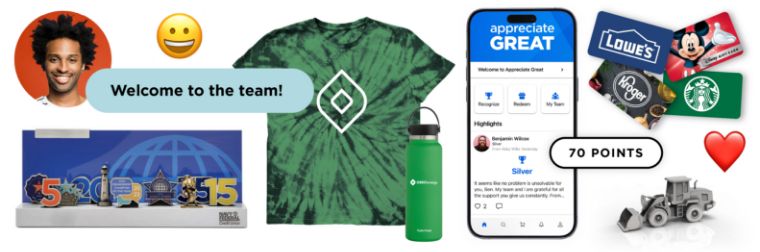
While recognition focuses on emotional connection, rewards offer a concrete representation of appreciation. They provide lasting value and create memorable experiences that employees associate with their achievements. Employee rewards express appreciation while recognising effort, achievement, and service. Rewards can take many forms:
- Points-based systems
- Branded merchandise
- Gift cards or experiences
- Travel incentives
- Symbolic awards
It’s important to note: Rewards alone, without meaningful recognition, can feel transactional. When designed to reflect company culture and employee preferences, rewards become a powerful complement to recognition. Employee rewards can:
- Reinforce important moments (like promotions or project completions)
- Help celebrate major milestones (like anniversaries or retirements)
- Elevate everyday wins (through points or on-the-spot rewards)
It’s important to remember that a full range of rewards are important to your employees. According to Forbes, employees prefer non-cash incentives. “Some benefits of offering experiential rewards include fulfilling aspirations, encouraging work-life balance and enhancing employee well-being.”
Whether recognising one year or twenty, a daily win or a legacy achievement, employee rewards are a meaningful and memorable way to significantly boost engagement and retention.
How are recognition and rewards different?
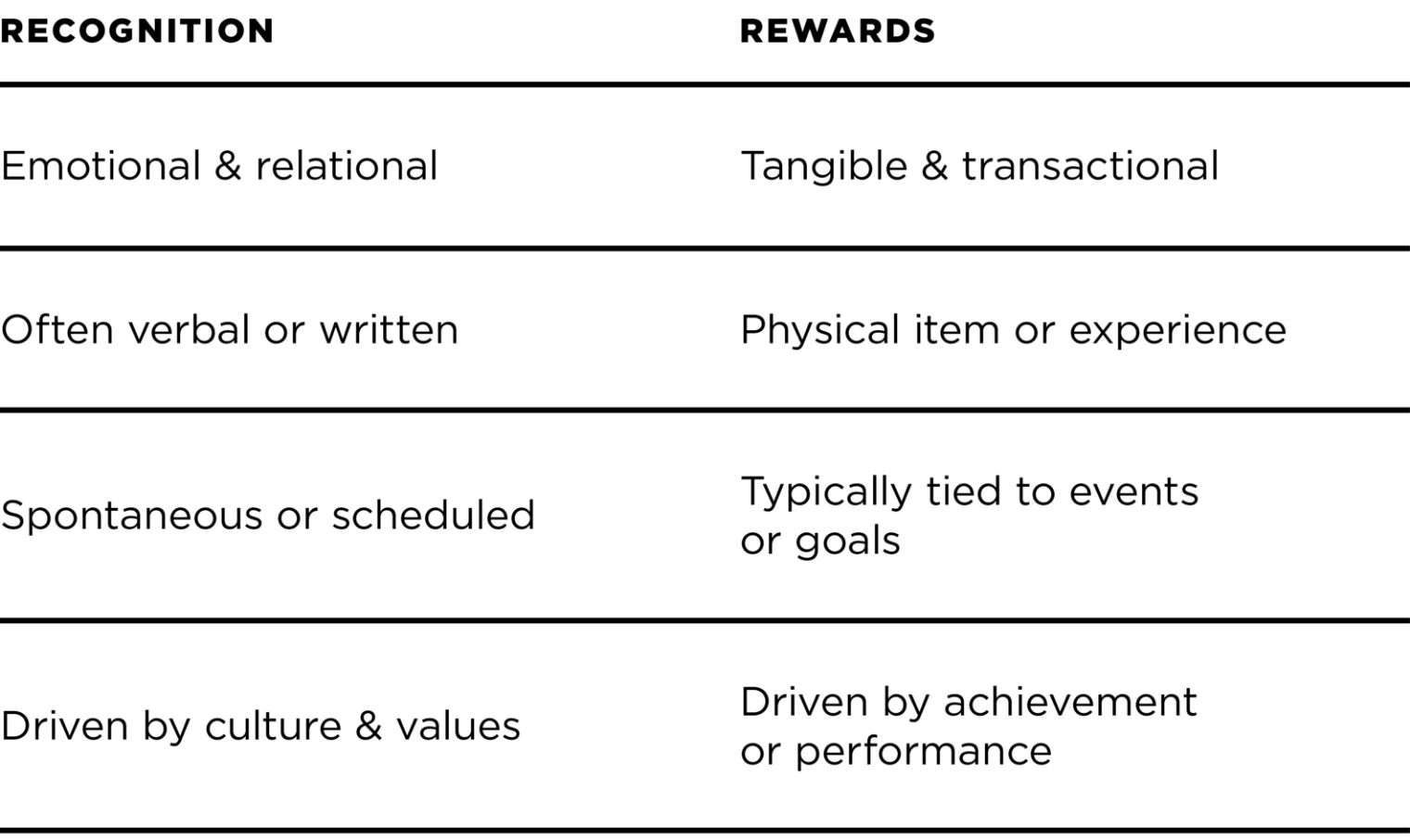
At a glance, recognition and rewards may seem similar. Both acknowledge employees. Both aim to boost morale. But they differ in purpose, form, and impact. Recognition is the "why." Rewards are the "how." Recognition tells the story behind the accomplishment. Rewards give it weight and meaning.
Rewards as part of a recognition strategy
Rather than seeing rewards as separate, they should be viewed as a tool within a broader recognition strategy. A reward without recognition lacks context. Recognition without a reward may miss an opportunity to create lasting impact.
The Global Culture Report confirms: Employees are 3x more likely to remember a recognition experience when it includes a symbolic award. Symbolic awards that reflect company values are more effective than generic incentives in fostering connection and pride.
Organisations that embrace both recognition and rewards as core cultural practices are better equipped to retain talent, inspire innovation, and meet the needs of their people. Research in the Global Culture Report shows that employees who feel recognised are:
- 5x more likely to feel connected to their company’s culture
- 4x more likely to be highly engaged
- 73% less likely to experience burnout

For major projects, big milestones, or transformative achievements, pairing recognition with a thoughtful reward amplifies the impact. For example:
- A custom award at a company-wide meeting for leading a strategic initiative
- A heartfelt thank-you note from the CEO, paired with a travel experience
- Peer-to-peer points given with a personalised message of appreciation
By combining recognition with a meaningful reward, organisations create experiences that are both emotionally significant and tangibly memorable.
Creating a culture of appreciation
To build a culture where recognition and rewards thrive, organisations must:
- Empower everyone to recognise. Recognition shouldn’t just come from leaders. Enable peers, managers, and teams to celebrate one another.
- Make it personal and specific. Vague praise doesn’t resonate. Personal, specific recognition shows that effort is truly seen and valued.
- Align recognition with company values. Connect appreciation to your purpose and values to reinforce culture.
- Offer meaningful rewards. Generic incentives often fall flat. Choose rewards that reflect your people, your culture, and your brand.
- Celebrate both the big and small. From project milestones to daily wins, regular recognition keeps momentum and morale high.
A comprehensive recognition and reward strategy doesn’t just make employees feel good. It transforms how they experience work.

Integrated recognition and rewards seamlessly weaves appreciation into the everyday employee experience. By embedding recognition into existing tools, workflows, and cultural moments, it becomes more frequent, authentic, and meaningful.
This integration ensures recognition isn’t a standalone event. Integration helps make it a continuous, natural part of how people connect and grow at work. The result is stronger engagement, deeper connection, and a culture where employees feel seen and valued.
A small thank-you with big impact
After a period of record results and unprecedented challenges, BlueScope wanted to recognise more than performance. With O.C. Tanner, they launched a purpose-driven appreciation initiative that reached 8,000 employees, combining digital recognition with heartfelt messaging and recognition.
The result? A 95% participation rate, strong emotional resonance, and a ripple effect across the organisation. Proof that when recognition reflects your people and your purpose, it creates lasting impact.

Global recognition, personal touch
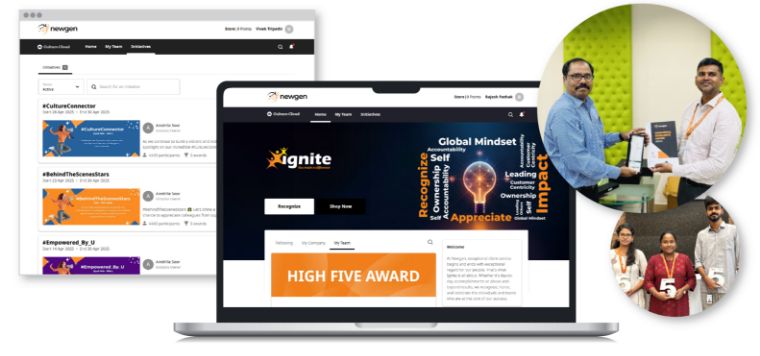
Newgen’s people-first culture has always been its strength. To scale that culture globally, they partnered with O.C. Tanner to launch Ignite, their integrated recognition programme. Every Newgenite, no matter where they work, can easily recognise and celebrate each other in real time. From Appreciation Month to tenure awards, the platform has unified and elevated recognition company-wide.
The result? A seamless, values-driven experience that makes appreciation part of everyday life. By seamlessly linking recognition with points-based rewards, Newgen has created a personalised, meaningful way to value every contribution, making appreciation both visible and tangible.
Better together
Recognition and rewards are not interchangeable, but they are inseparable when it comes to building a thriving culture. Recognition connects emotionally. Rewards provide tangible value. Together, they show employees that they matter, both as people and as contributors to your organisation’s success.
With world-class tools and strategies, like those offered in Culture Cloud®, you can connect people to purpose and create moments that they’ll remember for the rest of their careers.
Turn Recognition Into Real Connection
Top