Updated on
January 22, 2026
22 January 2026
In large organisations, recognition programmes help reinforce values, connect dispersed teams, and create a sense of belonging. But as companies scale globally, informal recognition practices quickly become inconsistent and often inefficient. That’s where an integrated employee recognition programme comes in.
The right recognition platform can provide visibility across regions and offer data-driven insights to measure impact. However, with dozens of vendors offering overlapping capabilities, choosing the right software is a high-stakes decision. Select the wrong system, and you risk wasted budgets, poor adoption, and programmes that fall short of cultural goals.
That’s why many organisations use a Request for Proposal (RFP) process. An RFP provides structure for evaluating options and helps HR leaders make a strategic, informed choice. Preparing a polished RFP is the first step toward transforming your company culture.
In the early stages of your recognition vendor selection process? Start here: Employee Recognition Buyer’s Guide.
Step-by-step guide to running an effective RFP process
1. Define your recognition programme objectives
Start by clarifying what you want the recognition programme to achieve. For example:
- Boost engagement and retention through meaningful recognition
- Align recognition with company values so behaviours are reinforced consistently
- Support global scalability with multi-language features and region-specific rewards
- Improve recognition insights with analytics
These objectives will guide your RFP, helping you prioritise features, and ask the right questions.
Here are some common questions and answers about the kind of impact you can expect to see from your recognition programme.
2. Build a cross-functional buying committee
Employee recognition software touches more than HR. To ensure buy-in and smooth implementation, build a buying committee that includes:
- People leaders to define programme goals and employee needs
- IT to vet integrations, security, and technical scalability
- Procurement/Finance to manage contracts and budgets
- Regional stakeholders to represent cultural nuances and global considerations
This group will not only shape the RFP but also act as champions during rollout.

3. Establish an RFP timeline
RFPs can stall if not properly managed. Create a timeline with milestones such as:
- RFP draft and internal approval
- Vendor shortlist and outreach
- Deadline for vendor responses
- Demos and stakeholder evaluations
- Final scoring and decision-making
Build in time for back-and-forth with vendors, and avoid rushing demos. Seeing the product in action is critical.
4. Create vendor evaluation criteria
To compare vendors objectively, establish weighted criteria. Categories often include:
- Platform features and user experience
- Support, training, and change management
- Scalability and global capabilities
- Integrations with existing systems
- Security and compliance
- Total cost of ownership
Weighting helps prevent decisions based solely on price and keeps focus on long-term value.
Get more tips for working through the vendor evaluation process here: “Researching Top Employee Recognition Providers”.
Key questions to include in the RFP
When preparing an RFP for employee recognition software, the questions you ask should help you evaluate everything from the platform's capabilities and integration with existing HR tools to its security measures and user experience.
To ensure you get the most out of your RFP, consider covering these key areas: platform capabilities, integration and security, user experience, and reporting & analytics. Each of these aspects will provide a deeper understanding of how well the software can support your employee recognition goals.
An effective RFP doesn’t just ask “what can you do?” It digs deeper into specifics that will reveal how well a platform fits your organisation. Here are essential areas to cover:
Platform capabilities
Can the platform support global teams with multi-language and multi-currency options?
What types of recognition are supported (peer-to-peer, manager-led, automated)?
Does the platform allow both monetary and non-monetary recognition?

Integration & security
Does it integrate seamlessly with HRIS, Slack, Microsoft Teams, and other collaboration tools?
What are the data privacy and compliance standards?
How are single sign-on (SSO) and user provisioning handled?

User experience
What does the onboarding process look like for new employees?
How intuitive is the interface for both employees and administrators?
Does the platform support mobile and multi-device access?
Reporting & analytics
What metrics are available to measure programme success (e.g., participation rates, recognition frequency, engagement impact)?
Can reports be customised by region, department, or manager?
Are dashboards real-time and accessible to managers for coaching insights?
Common pitfalls to avoid when vetting vendors
When evaluating vendors for employee recognition software, even experienced HR leaders can miss key details that could impact the success of the programme. To avoid costly mistakes, it’s important to be mindful of common pitfalls during the RFP process. These include overlooking scalability, neglecting the change management aspects of implementation, fixating too heavily on cost, and failing to validate a vendor's claims.
By staying vigilant and addressing these areas, you can ensure that the platform you choose not only meets your current needs but can grow with your organisation in the long run.
Even seasoned HR leaders can fall into traps during the RFP process. Avoid these pitfalls:
Overlooking scalability: A vendor may meet your needs today but struggle if you expand into new regions. Ensure the platform can grow with you.
Ignoring change management needs: Software alone doesn’t create culture change. Assess what training, communication, and support the vendor provides for rollout.
Focusing solely on cost: The cheapest option can become the most expensive if adoption fails or hidden fees arise. Evaluate total value, not just price.
Failing to validate claims: Don’t rely solely on sales presentations. Request case studies, client references, and live demos tailored to your use cases.
Review 8 traps to watch out for when choosing an employee recognition provider.

Must-have features to prioritise in employee recognition software
Choosing the right employee recognition software means focusing on features that drive engagement, scalability, and ease of use. While your organisation's specific needs may vary, some capabilities are universally valuable in building a sustainable and impactful recognition programme.
Below are the must-have features to look for—each designed to support a culture of appreciation, streamline administration, and ensure a seamless experience for employees across locations and devices:
Global accessibility & localization
Support for multiple languages, currencies, and regional compliance is critical for global workforces.
Real-time recognition & social feed
A live recognition feed builds momentum, visibility, and a culture of appreciation.
Customisable rewards catalogue
Employees should choose rewards that matter to them, with fulfillment options available across regions.
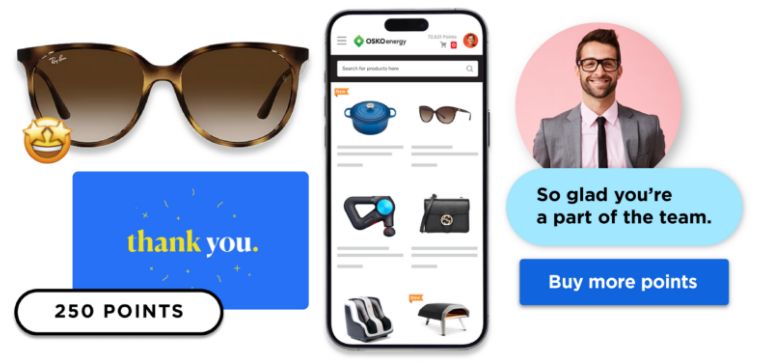
Mobile app & multi-device support
Recognition should be accessible from anywhere—whether on desktops, tablets, or mobile devices.
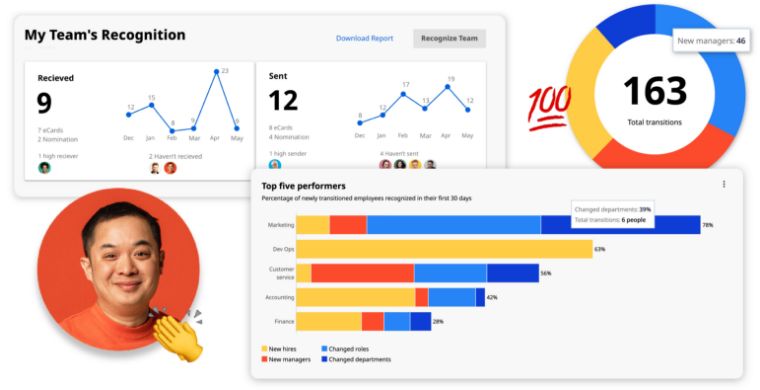
Robust analytics & dashboards
Detailed reporting helps HR track programme effectiveness and share insights with leadership.
Automated milestone recognition
Birthdays, service anniversaries, and onboarding milestones should be automatically celebrated.
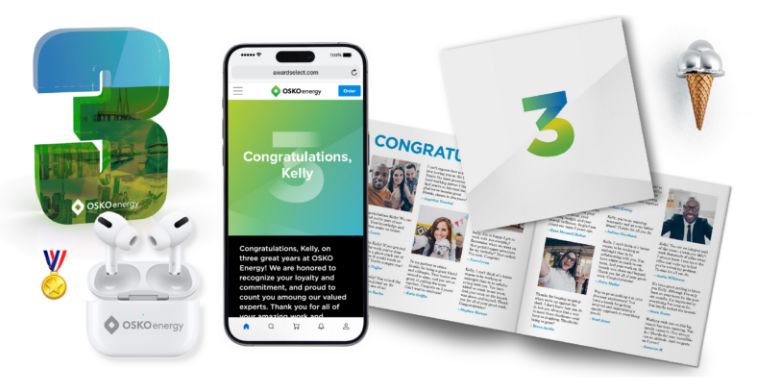
Integration with collaboration tools
Embedding recognition into platforms like Slack or Teams increases visibility and adoption.
Scalable admin controls & role-based permissions
Ensure administrators can manage permissions by region, role, or business unit for flexibility.
Beyond platform features, make sure you choose a recognition vendor who offers true partnership and ongoing culture-building support. Here’s why that matters in the long term.
Final tips for a successful RFP outcome
To ensure a successful RFP outcome, it’s important to align vendor capabilities with your organisation’s long-term culture goals. The right recognition platform should do more than deliver rewards—it should actively support and reinforce your core values.
Involving end-users early in the process, whether through pilot testing or gathering employee feedback, can also help ensure the chosen solution resonates with the people who will use it every day.
Finally, don’t overlook the value of reflection. Documenting lessons learned throughout the RFP process can provide valuable insights and set the stage for even smoother procurement efforts in the future.
Conclusion
Employee recognition is a strategic lever for culture and engagement. The right software can amplify its impact across a global workforce. A thoughtful RFP process ensures that HR leaders choose a platform that fits organisational goals, supports long-term scalability, and delivers value far beyond its cost.
By defining clear objectives and asking the right questions HR teams can select a partner that not only provides technology but also impacts every aspect of their workplace culture.
We’re proud of our 98% client retention rate. Let us walk you through what makes O.C. Tanner different—and how we can help you elevate your company culture with integrated recognition.
Turn Recognition Into Real Connection
Top