Updated on
April 13, 2026
13 April 2026
Employee recognition has always been at the heart of human motivation, the simple act of feeling seen and valued for one’s work. Yet what recognition means in today’s workplaces in Asian markets is profoundly different from the past. Once expressed through annual awards, team-based recognitions or tenure milestones, it has now evolved into a more agile, data-informed and purpose-driven practice that fuels connection, performance, and growth.
This evolution is also reflected in the way Asian markets have matured, each advancing at a different pace along the recognition readiness scale as organisations move from symbolic gestures to strategic, people-centred practices that reinforce culture, strengthen connection, and support performance.
Across markets such as Singapore, Malaysia, and the Philippines, organisations are reimagining recognition to reflect local cultural expectations while meeting modern demands for meaning, transparency, and inclusivity. Historically, many Asian workplaces also emphasised team-based and collective recognition, mirroring broader cultural values of harmony, collaboration, and shared success. Today, however, this is shifting. While team appreciation remains important, employees, particularly younger cohorts, are increasingly seeking personalised, individual recognition that highlights their unique contributions and impact. As these expectations around recognition evolve, digital transformation and AI-enabled tools are playing a pivotal role, making recognition more personalised, timely, and measurable while supporting consistency across hybrid and distributed teams.
As recognition becomes more integrated, AI enabled, and data-informed, yet still profoundly human, it stands as one of the most powerful levers for building trust, belonging, and sustained business performance across Asia’s dynamic workplaces. To understand this transformation, it’s worth revisiting how recognition traditionally looked across Asia and what has changed.

Employee recognition in the past
A traditional approach
For many decades, employee recognition in Asia was characterised by a conventional, hierarchical model deeply rooted in cultural norms, from Singapore’s emphasis on efficiency and formality, to Malaysia’s relationship-driven work dynamics, to the Philippines’ collectivist orientation rooted in pakikisama (social harmony). Recognition was largely event-driven, team-based and centred on monetary rewards, often struggling to create lasting engagement or a genuine sense of belonging. Programmes were designed to reward tenure, loyalty, or major achievements, but rarely highlighted ongoing contributions or meaningful peer appreciation. As a result, recognition often felt formal, infrequent, and disconnected from the daily employee experience.
Within this traditional landscape, four defining patterns shaped how recognition was practiced across Asian workplaces:
1. Tenure-based recognition traditions
Historically, recognition programmes predominantly celebrated tenure and loyalty. Companies marked milestones with annual dinners or events, emphasising length of service over daily contributions. Many programmes focused heavily on longevity rather than on real-time performance. In markets such as Singapore, Malaysia, and the Philippines, this approach often included formal ceremonies where employees received mementos like plaques, watches, or certificates, occasionally supplemented by cash bonuses or additional leave. As a result, these milestone-driven approaches often struggled to inspire ongoing motivation or strengthen a continuous sense of engagement.
2. Limited peer-to-peer recognition
Recognition in the past typically followed a top-down structure, reflecting Asia’s deeply ingrained respect for hierarchy and authority. Employees looked primarily to their managers for validation, and appreciation was often delivered formally during meetings, reviews, or annual events. Furthermore, in many workplaces, acknowledging a colleague without senior endorsement was uncommon, especially in cultures that valued humility and deference to seniority.
This emphasis on manager-led praise meant that peer-to-peer recognition remained limited. As a result, everyday moments of effort often went unnoticed, and recognition became dependent on a manager’s personal style rather than a shared organisational practice.
3. Primarily transactional rewards
In many Asian workplaces, recognition was frequently equated with financial incentives such as bonuses, salary increments, festival allowances, or cash-based awards. Monetary rewards were seen as the most tangible and practical way to show appreciation, aligning with cultural expectations around providing for one’s family and valuing financial security. Non-monetary or emotional forms of appreciation, such as personalised messages, public acknowledgement, or peer appreciation, were frequently overlooked. According to Gallup’s State of the Global Workplace, such infrequent and highly pay-centric recognition contributed to ongoing challenges in maintaining employee engagement. As a result, employees often experienced short-lived motivation around reward cycles, but lacked a sustained sense of being valued in their day-to-day work.
4. One-size-fits-all recognition models
Recognition systems of the past tended to be standardized and transactional such as gift vouchers, certificates, uniform cash rewards, thus lacking personalisation or relevance to everyday work. Because early HR systems had limited data and organisations prioritised uniformity, recognition rarely reflected the unique strengths or behaviours of each employee. Deloitte’s Global Human Capital Trends 2015 report underscores how such generic, one-size-fits-all practices failed to connect with employees on a meaningful or ongoing basis. These legacy approaches, while valued, struggled to meet the expectations of a younger, more diverse workforce-driving a regional shift toward more personalised and meaningful recognition.
The recognition landscape in Asia today
Regional overview
Across Asia, employee recognition is undergoing a significant transformation. Organisations are shifting from traditional, milestone-based programmes toward continuous, peer-driven practices supported by real-time data and digital platforms. This evolution is driven by demographic change, increasing workforce mobility, and the rising expectations of younger employees who want appreciation that is timely, authentic, and linked to values and contribution rather than tenure.
At the same time, recognition maturity varies widely across the region. Countries are evolving at different speeds depending on their stage of economic development, digital readiness, and cultural norms around appreciation and hierarchy. Mature markets like Singapore treat recognition as an integrated part of the employee experience-embedded in daily workflows, leadership behaviours, and organisational culture. Mid-maturity markets such as Malaysia and the Philippines are accelerating their transition from ceremony-led or ad-hoc practices toward more consistent, technology-enabled systems that support transparency and fairness.

Despite these differences, the direction of change is unmistakable: Asia is moving from transactional rewards toward experience-led cultures of appreciation where recognition strengthens connection, supports development, and fuels business performance.
As one of the region’s most mature markets, Singapore shows how recognition is evolving from a programmatic activity into a seamless, everyday experience. This shift is strongly influenced by the country’s workforce demographics and generational expectations. Employees under 30, who make up 14.6% of the resident workforce, seek appreciation that is frequent, values-driven, and openly celebrated across teams.
Research consistently shows that when employees feel genuinely valued, it strengthens trust in their leaders, deepens engagement, and ultimately supports stronger business performance.
This connection between recognition, trust, and engagement is exemplified by DHL Express Singapore. Over the past five years, the company has seen engagement scores rise significantly, accompanied by corresponding improvements in profitability. Christopher Ong, Managing Director of DHL Express Singapore, recalls that during the company’s crisis period in 2009, engagement was only 60%. Through focused leadership efforts to make employees feel cared for and trusted, engagement levels steadily improved, strengthening customer loyalty, driving sustained revenue and growth.
A key driver of this improvement was the organisation’s deliberate focus on strengthening recognition, ensuring employees felt seen, valued, and supported, which in turn contributed meaningfully to the uplift in engagement. This journey illustrates a broader truth in Singapore’s context: high-recognition environments create a powerful foundation for engagement and performance.
Employers that enable frequent, peer-inclusive appreciation-supported by digital platforms and backed by leaders, are better positioned to retain talent and convert engagement into measurable business outcomes.
“As our engagement scores improve, our profitability follows. The correlation is clear globally and in Singapore. We could see the numbers.”
—Christopher Ong, Managing Director, DHL Express Singapore
New technologies are now making it easier for organisations to sustain this kind of engagement at scale: AI-enabled tools are able to support real-time nudges, personalisation and bias checks without losing the human voice in recognition.
Although these pressures are prominent in Singapore, similar patterns are emerging across the region. Malaysia, for example, shows distinct demographic dynamics that influence how recognition is evolving. The country is progressing rapidly along the recognition maturity curve, driven by a workforce heavily concentrated in the 25–34 and 35–44 age groups, prime-age cohorts that place high value on timely, authentic appreciation tied to performance and growth.
Unlike mature markets with long-established recognition cultures, many Malaysian organisations are transitioning from event-based or infrequent practices toward more consistent, technology-enabled systems that support fairness and transparency.
A key differentiator in Malaysia is the structure of its labour market. With large segments employed in services, BPO operations, customer experience centres, and digitally enabled roles, employees expect recognition to be closely aligned with development opportunities, career progression, and day-to-day wins. Recognition cannot be symbolic or ceremonial only; it must also reinforce learning, capability-building, and the behaviours that drive customer impact.
With APAC-wide switching intent hovering around ~31%, Malaysian employers too face similar pull factors; such as competitive offers, flexible work, and rapid career mobility. Organisations that combine recognition with growth pathways, fulfilment, and flexibility are better positioned to hold talent and convert engagement into performance.
A strong example of a company demonstrating timely, authentic recognition tied to growth and outcomes is Teleperformance Malaysia. Recognised as a “Great Place to Work” for four consecutive years, Teleperformance Malaysia invests strategically in employee development and emotional intelligence, fostering engagement and productivity that translate into superior customer service. Their people-centric approach exemplifies how pairing recognition with development opportunities, fulfilment, and flexibility helps retain talent amid competitive pull factors, showing how Malaysian employers can address retention challenges through meaningful, consistent recognition.

As Malaysia continues to mature, more organisations are adopting digital platforms to integrate appreciation into the flow of work. This shift is helping employers build cultures where recognition is not occasional or top-down, but a daily, inclusive, and transparent experience shared across teams.
A similar demographic dynamic shapes recognition expectations in the Philippines, where the 25–34 age group remains the largest employed cohort, reinforcing demand for recognition that is frequent, social, purpose-linked, and easy to give and receive in the flow of work. Many employees also report greater workplace change year-over-year, a context where timely, specific appreciation supports change management and helps stabilise engagement, reduce burnout risk, and sustain momentum through transformation.
Several employers in the Philippines demonstrate how peer-led, everyday recognition strengthens culture and supports business outcomes. For example, SM Prime Holdings in the Philippines transitioned from annual ceremonies to daily, digital peer recognition platforms, encouraging employees at all levels to appreciate colleagues and highlight small wins. This approach has earned multiple “Best Employer Brand” awards and supports rapid business growth.
Jollibee Foods Corporation offers another perspective, showing how recognition can thrive even within traditionally hierarchical environments, balancing respect for seniority with inclusive, day-to-day recognition that strengthens teamwork and morale. By balancing respect for seniority with inclusive, day-to-day appreciation, Jollibee enables frontline and corporate employees alike to recognise colleagues through simple digital tools and peer-driven channels. These practices complement their formal award programmes, creating a comprehensive, human-centred recognition strategy that strengthens teamwork and morale across thousands of employees.
“Our continued recognition as an employer of choice affirms what we’ve always believed –that our people are the driving force of our success. We remain committed to nurturing a workplace culture where our people can thrive, grow, and find purpose in what they do”
—Ernesto Tanmantiong, Jollibee Group’s Global President and Chief Executive Office
Together, these examples highlight how Filipino organisations are moving toward integrated recognition ecosystems that are frequent, purpose-driven, and support engagement and performance in a young, dynamic, and fast-changing workforce.
Across these markets, a clear regional trend emerges: employees today are looking for far more than occasional rewards-they expect recognition that supports fulfilment, flexibility, purpose, and everyday meaning.
Changing employee expectations and the role of recognition
Employees across Asia now evaluate their work experience through a broader lens. While pay remains important, with 77% citing financial reward as a key job factor, fulfilment (69%) and flexibility (64%) are increasingly influential in shaping employee expectations. This shift strongly evident across Asian markets is driving recognition beyond the occasional bonus, towards consistent practices that foster daily meaning, a sense of belonging, and visible impact.
Values-linked messages, public appreciation across teams, and frictionless ways to give recognition, especially through mobile and in-flow digital tools, are becoming essential to shaping the modern employee experience.
In practice, modern recognition strengthens culture by reinforcing shared values, encouraging collaboration, and spotlighting capability development. It also respects employees’ life design needs by enabling appreciation that is timely, specific, authentic, and delivered through the channels they use most.

CapitaLand offers an example of how recognition and employee experience converge. By treating employee experience not as a “nice-to-have” but as a strategic enabler and embedding it across culture, technology, leadership, and communication, CapitaLand Investment boosted organisational alignment and transparency during transformation. Their Cultural Beliefs Rockstar Awards recognise employees who exemplify company values, contributing to record engagement scores of 85% and strengthening trust, inclusion, and purpose across the workforce.
This evolution underscores a fundamental shift: as employees seek meaning, growth, and flexibility, recognition becomes a central mechanism for meeting these expectations, hence shaping engagement, culture and performance from the inside out.
Switching intent and the retention dividend
As employee expectations evolve, recognition has become more than a cultural driver-it’s now a measurable retention lever. In Singapore, for example, approximately one-third of workers report they are likely to switch employers within the next 12 months. Similar patterns appear across the region, including Malaysia and the Philippines, where mobility is shaped by competitive offers, flexible work arrangements, and accelerated career ambitions. Against that backdrop, high-quality recognition is a measurable retention lever: longitudinal analysis shows well-recognised employees were 45% less likely to have turned over after two years. Complementary findings indicate that thriving employees are 32% less likely to be actively job-hunting, underscoring recognition’s role in fostering the conditions that stabilise tenure. Retention, though, is also mediated by wellbeing-another area where modern recognition has measurable effects. In a region where mobility is high and loyalty can no longer be taken for granted, organisations that invest in meaningful recognition see higher engagement and a more resilient workforce.
Employee wellbeing and recognition
The wellbeing mandate is clear. In Singapore, 59% of adults say they need more mental health resources, highlighting a broad expectation for employers to support psychological safety and care. Research shows that frequent, authentic recognition, especially when paired with strengths-based management and clear expectations, is linked to lower burnout and more positive daily emotions.
Effective programmes prioritise specific, timely praise (what was done well and why it mattered), enable peer-to-peer gratitude, and equip managers with prompts to make recognition routine. These mechanisms help create psychological safety, where employees feel seen, trusted, and comfortable asking for help. As wellbeing expectations continue to rise, recognition has become one of the most scalable and culturally resonant ways to reinforce care, reduce burnout, and support a healthier, more resilient workforce. Sustaining these practices at scale increasingly relies on technology, which can help deliver timely nudges and personalised messages without losing the human touch.
AI’s transformative role in recognition
Recognition is ultimately about human connection, but as organisations grow, particularly across dispersed or hybrid teams, technology can help sustain that connection at scale. With 44% of large enterprises in Singapore now using AI (up from 16.7% in 2018), employers can deliver timely nudges, personalised messages, and surface everyday wins automatically supporting more consistent recognition at scale.

Used thoughtfully, AI supports consistent, integrated recognition while preserving authenticity, empathy, and human tone, and as adoption accelerates, it will increasingly act as an enabler by amplifying fairness, inclusion, and the meaningful moments that define a culture of appreciation.
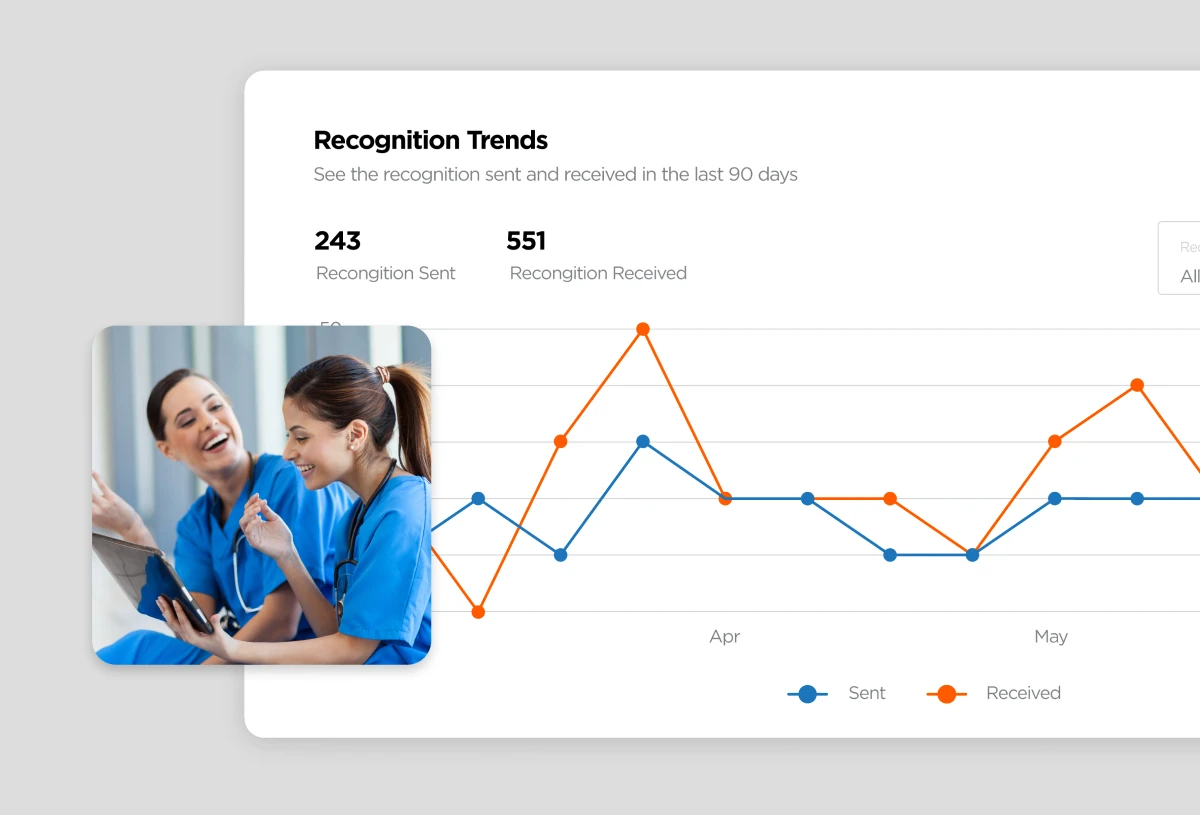
While AI assists with personalisation, nudges, and bias reduction, the technology landscape for recognition continues to evolve. Platforms such as O.C. Tanner’s Culture Cloud are introducing new, intuitive features that help teams appreciate one another in the moment-from quick “thank you” notes and boosts of encouragement to leader broadcast messages and simple tools that make it easy to share wins across the organisation.
These enhancements expand the visibility of recognition and make it more accessible, particularly in hybrid environments. They enable organisations to weave appreciation into everyday workflows while ensuring that the human voice and authentic intent behind recognition remain at the centre.
Recognition in Asia: trends shaping the next decade
The transition towards integrated, always-on recognition is already underway, but the pace of adoption varies significantly, creating a widening gap between organisations that are evolving their recognition practices and those still relying on outdated, ceremony-led approaches. In the next two to three years, employee recognition in Asia will undergo a major shift towards fully integrated, data-driven systems that deliver personalised experiences and leverage AI responsibly. Factors such as rapid skill transformation, hybrid work, and rising expectations from Gen Z and Millennial employees are accelerating this shift. Across the region, younger cohorts increasingly seek meaning, flexibility, and growth alongside pay, favouring frequent, values-linked recognition connected to development and learning outcomes rather than tenure or payouts.
These shifting expectations are not happening in isolation; they mirror broader economic priorities across the region. Governments and employers in major Southeast Asian labour markets are accelerating large-scale up skilling and digital capability-building efforts to stay competitive amid rapid technological change.
As organisations adapt to these national skill and productivity agendas, recognition becomes an essential bridge-linking everyday effort to evolving skills, values, and career growth, and reinforcing the behaviours needed in a rapidly transforming workforce.

Government-led shifts in workplace technology
Policy momentum is also shaping how technology supports this next phase. Singapore’s National AI Strategy 2.0 promotes a whole-of-nation approach that equips organisations with AI-ready infrastructure and governance frameworks, enabling HR tools that personalise recognition while safeguarding fairness and privacy.
In Malaysia, National AI Office and multi-year action plan to 2030 are likewise accelerating practical HR use cases such as nudges, bias checks, and multilingual localisation.
The Philippines’ NAISR 2.0 aligns its talent and digital frameworks around generative AI, encouraging contextual and equitable recognition systems that keep managers and peers at the heart of every interaction.
National AI frameworks across Singapore, Malaysia, and the Philippines require platforms to ensure fairness (across 14 location, level, and gender), protect privacy, and maintain transparent audit trails. This traceability builds executive trust in tying recognition to measurable outcomes such as retention, safety, and wellbeing, transforming recognition into a verifiable business lever rather than an anecdotal practice. While technology enables scale and precision, recognition will remain fundamentally human-led, anchored in empathy, authenticity, and shared purpose.

Hybrid work and inclusivity by design
Hybrid and flexible work models further shape the future of recognition. As teams become more distributed, recognition must be channel-agnostic, that is, accessible via mobile, chat, and in-app tools that extend appreciation beyond manager silos, encouraging peers to celebrate outcomes across projects. These practices ensure that recognition continues to build belonging and cohesion even when teams rarely meet in person.
Country Snapshots
Singapore: AI-nudged, values-linked recognition has become standard among large enterprises, supported by strong governance and analytics.
Malaysia: National AI policies and investment spur modern, multilingual, mobile-first recognition systems aligned with public–private skills partnerships.
Philippines: Post-NAISR 2.0 frameworks encourage recognition tied to upskilling in IT-BPM and related sectors, supporting retention amid rapid change.
Across the region, enterprise surveys confirm strong interest in deploying AI and cloud solutions for recognition modernisation, signaling durable momentum for transforming workplace appreciation.
While technology, governance, and policy set the stage, the heart of recognition remains profoundly human centric. Across Asia’s diverse workplaces, employees continue to seek visibility, trust, and purpose in how their contributions are acknowledged.
Employers are also strengthening their digital readiness. Enterprise surveys show strong interest in deploying AI and cloud-based platforms to modernise recognition, signalling durable momentum for transforming workplace appreciation. These advancements, supported by national policy and organisational investment, offer new opportunities to embed recognition more deeply into daily workflows.
As the region’s workforce evolves through technological, demographic, and cultural change, the path forward points to a model of recognition that is continuous, inclusive, and deeply embedded in everyday work. When powered by data, guided by empathy, and anchored in authenticity, recognition becomes a truly human-centric experience that drives engagement, wellbeing, and high performance.
Organisations that embrace this evolution, balancing innovation with authenticity and equity, will not only retain and motivate their talent more effectively but also build resilient, future-ready cultures capable of thriving in a dynamic global landscape.

See how O.C. Tanner can help you bring meaningful recognition to employees across your entire organisations. Schedule a demo.
Turn Recognition Into Real Connection
Top