Updated on
April 13, 2026
13 April 2026
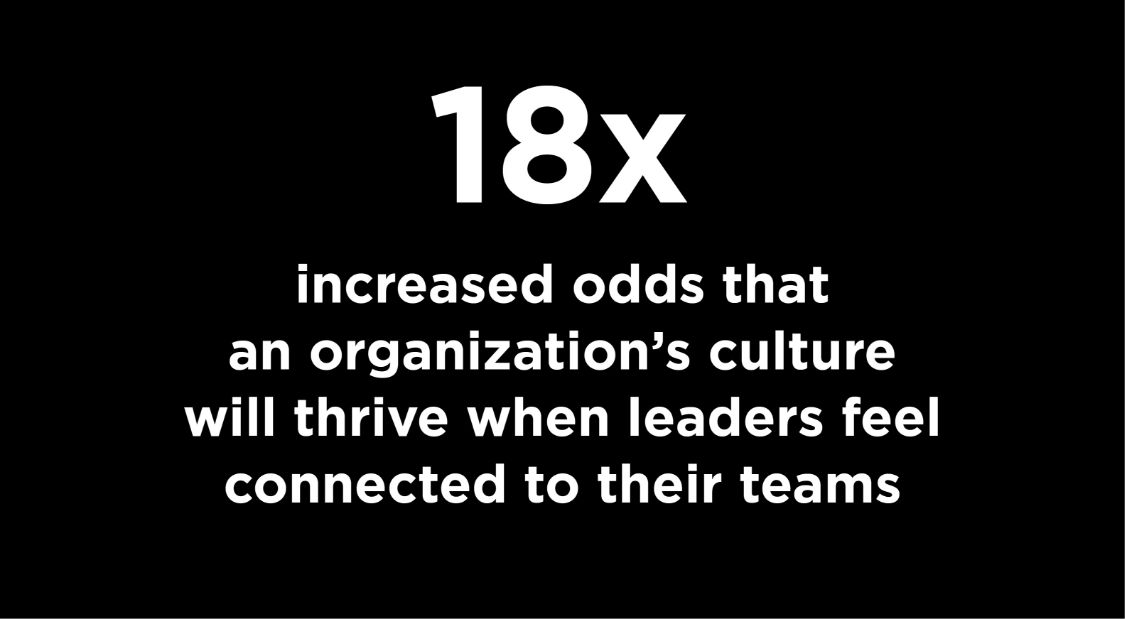
Healthy performance cultures don’t just happen. They are crafted with intention and built on the foundation of an integrated employee recognition programme. Employees at organisations with integrated recognition are 18x more likely to say their workplace has a healthy performance culture.
So, how do we develop a healthy performance culture? Crucial components include setting high expectations for your employees and following through with even higher support. Practice open, consistent communication along the way, and you’ll see engagement, wellbeing, and business outcomes thrive.
Read on to learn the critical role recognition plays in creating a healthy performance culture, how it connects motivation to results, and the strategies leaders can use to turn appreciation into measurable impact.
Get all the data on healthy performance cultures in the 2026 Global Culture Report.
The culture-performance connection
In today’s workplace, culture has moved from an HR talking point to a top-tier business priority. Research from McKinsey shows that culture is one of the most important factors separating healthy performance organisations from the rest. Yet too many companies still underestimate its impact, treating culture as something secondary to operations. The truth is: Culture directly shapes performance.

Many employees today find themselves in survival mode. They often spend more time just trying to get by rather than innovating or delivering results. The cost of neglecting people and culture is steep. Gallup estimates that disengaged employees cost the global economy $8.8 trillion annually. By contrast, organisations with thriving teams built on recognition see higher productivity, stronger business outcomes, and lower turnover.
When employees feel they’re thriving at work, the odds of several important outcomes improve significantly:
So, what defines a healthy performance culture today? It’s not about relentless hours or high-pressure environments. Instead, it’s about creating conditions where people feel connected, valued, and inspired to contribute their best work—where performance is sustainable, not extractive.
Unfortunately, misconceptions about recognition and its role in shaping workplace culture still persist. Too often, it’s seen as a perk or a feel-good gesture. In reality, recognition is a strategic lever, a powerful driver of focus, alignment, and motivation. Done well, it reinforces growth, builds belonging, and sustains the energy organisations need to succeed, especially in hybrid and AI-enabled workplaces.
“Companies have been engaged in an arms race to offer the best perks. But once basic needs are met, people are more powerfully motivated by feelings than by material features. Employees today want to be treated as people, not just workers. When HR leaders can generate these emotions in employees, both organisations and the human beings that comprise them win.”
—Carolina Valencia, Vice President Team Manager, Gartner
The science & strategy of recognition
At its core, recognition taps into the psychology of human motivation. It is behavioural science in action. People are driven by two forces. The first is intrinsic motivation: the desire to engage in an activity because it is meaningful or enjoyable. The second is extrinsic motivation: the drive to act in order to earn a reward or avoid a negative consequence.
Intrinsic motivation is powerful. When employees work because they feel a sense of purpose, curiosity, or fulfillment, the results are profound: higher quality output, more creativity, stronger resilience, and deeper engagement. They don’t just complete tasks, they invest themselves fully in their work.
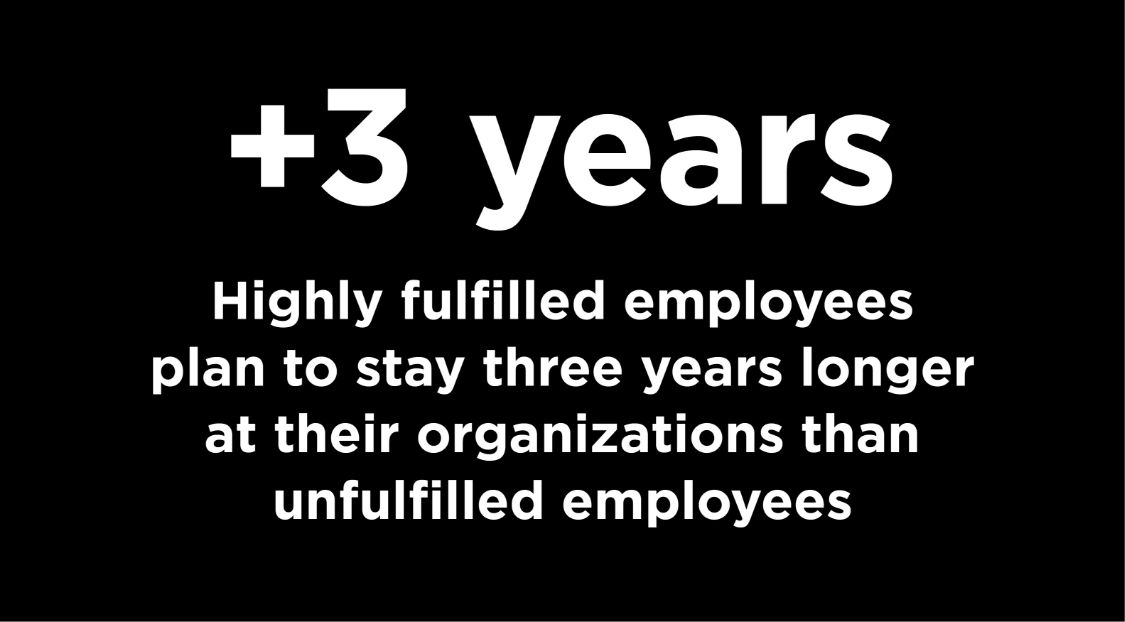
Extrinsic motivation, meanwhile, has a place in performance strategy. The right rewards can sharpen focus and encourage consistency, but they’re most effective when aligned with an employee’s values and interests. Without that alignment, they can feel transactional. With it, they become powerful amplifiers of purpose and engagement.
“Positive attention is 30 times more powerful than negative attention in creating high performance on a team and is 1200 times more powerful than ignoring people. People don’t need just feedback, they need positive attention.”
—Marcus Buckingham & Ashley Goodall, Nine Lies About Work: A Freethinking Leader’s Guide to the Real World
Recognition bridges the two. Grounded in the principles of behavioural reinforcement, recognition strengthens the link between positive actions and positive outcomes. Every moment of meaningful recognition signals to employees, this is what matters most here. Over time, those signals shape habits, align energy to strategy, and cultivate a culture where performance, innovation, and collaboration thrive.
In other words, recognition is more than a “thank you.” It’s a deliberate practice to encourage effort, reinforce desired behaviours, sustain focus, and build the momentum that fuels long-term performance.
Designing recognition for healthy performance impact
Recognition should be as intentional—and as data-driven—as your business strategy.
When designed thoughtfully, recognition becomes a system for enabling performance at scale. It’s not just about celebrating big wins; it’s about creating an environment where everyday behaviours that drive business outcomes are noticed, reinforced, and repeated.
Different types of recognition play different roles. Encouragement-based recognition (such as micro-moments, peer-to-peer notes, or acknowledgement of values-driven behaviours) fuels motivation in real time, while achievement-based recognition (such as project milestones, productivity goals, or career anniversaries) validates progress and outcomes. Both matter, and both should be part of the recognition ecosystem.

How you celebrate matters too. Public recognition—shared in team meetings, company platforms, or social feeds—spotlights role models and inspires others. Private recognition—delivered one-on-one or in a personal message—can feel more authentic and meaningful in sensitive contexts. Likewise, individual recognition affirms personal contribution, while team recognition promotes collaboration and collective achievement. Knowing when and how to use each creates lasting impact.
Leaders play a critical role in this process. Their active involvement in recognition impacts individuals and your culture, signaling what the organisation values most. When recognition is embedded into daily rituals, manager-employee conversations, and the overall employee experience, it becomes a living, breathing part of culture rather than an isolated programme.
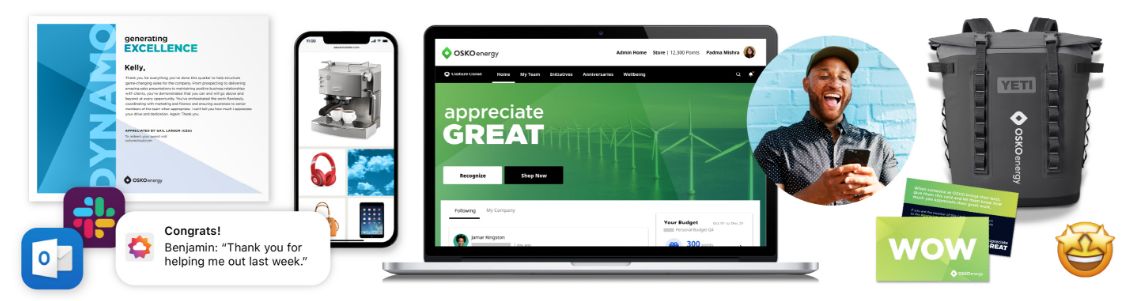
Technology now makes recognition smarter and more scalable. Recognition platforms align recognition with business goals and values, track participation, and ensure visibility across hybrid workforces. AI adds another dimension. With tools like Recognition Coach, organisations can prompt leaders to give timely, personalised recognition, guided by rich data that identifies moments of opportunity. Recognition powered by AI ensures consistency, removes bias, and makes appreciation both personal and actionable—at the scale modern organisations demand.
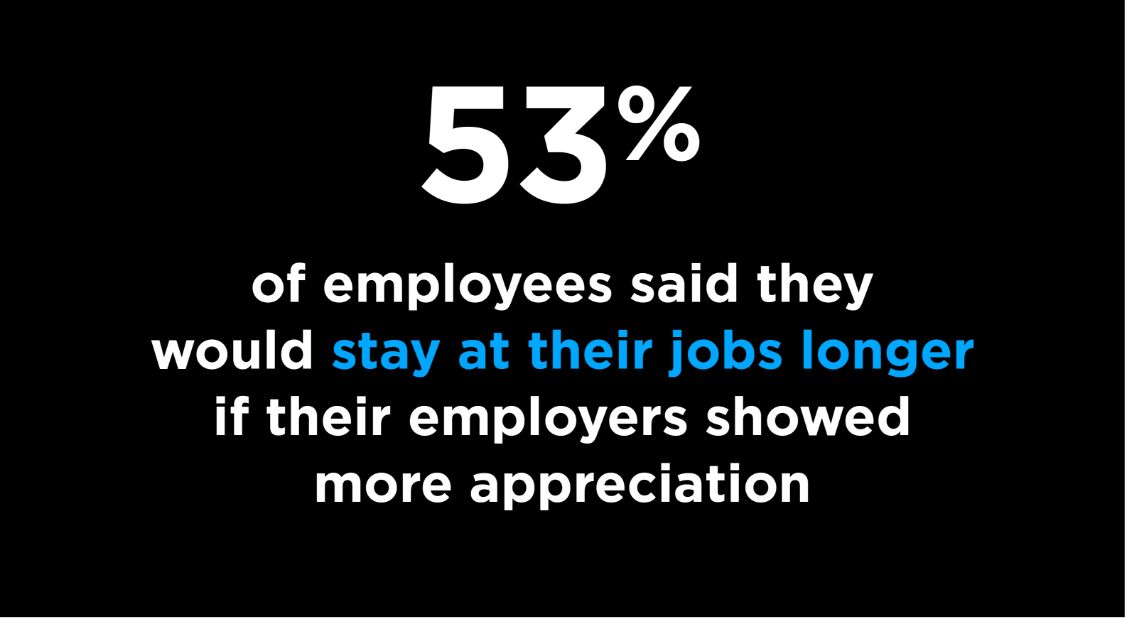
Recognition, when designed with intention, becomes a cultural operating system, one that creates alignment, accelerates performance, and ensures that employees know exactly how their contributions power the bigger picture.

Measuring what matters
What gets recognised gets repeated. And what gets measured gets improved.
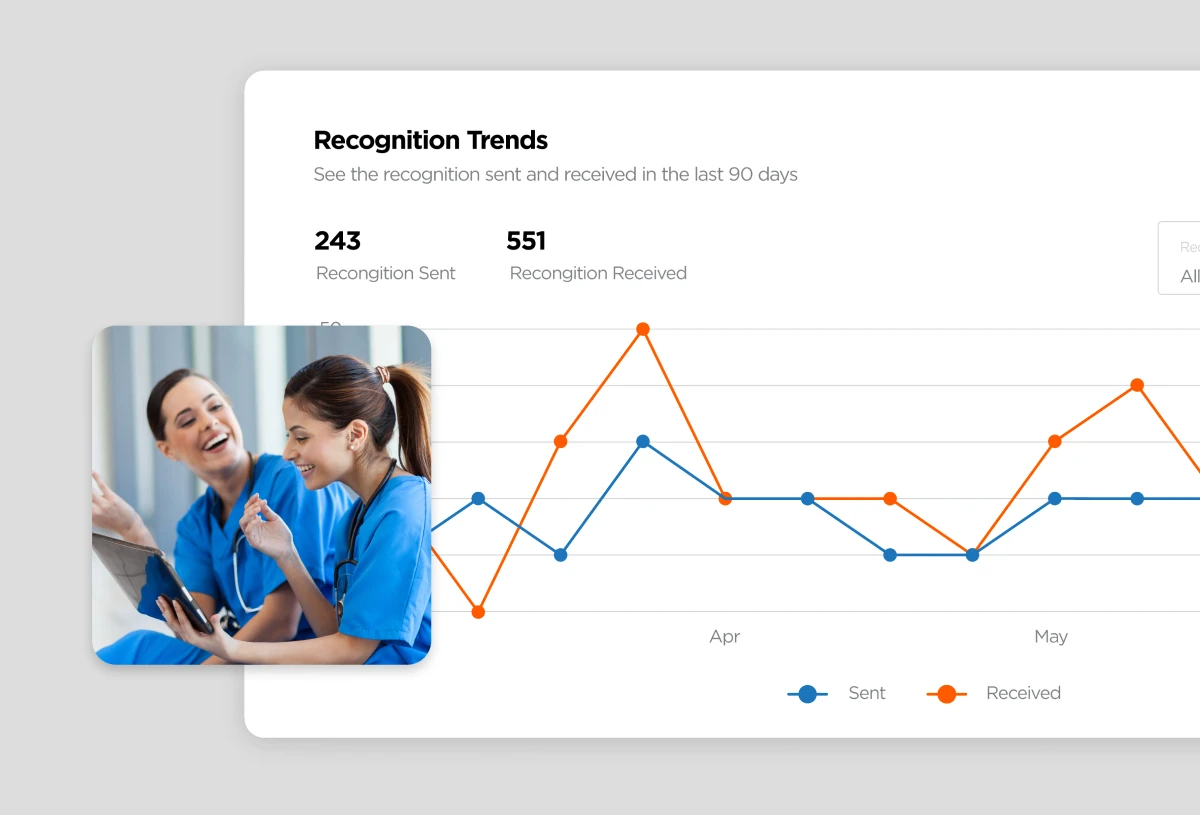
Recognition can be a source of powerful performance data. When organisations track recognition effectively, they gain unique insights into culture, leadership, and productivity that other metrics often miss.
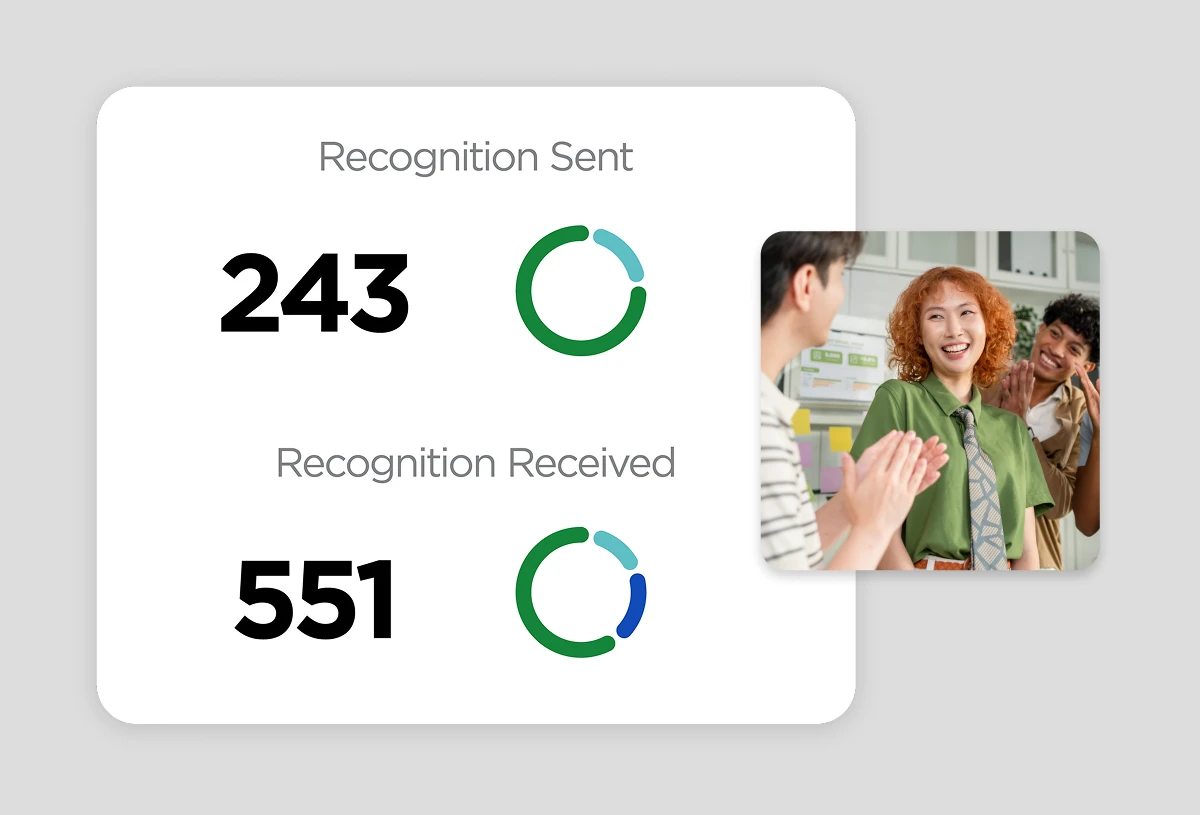
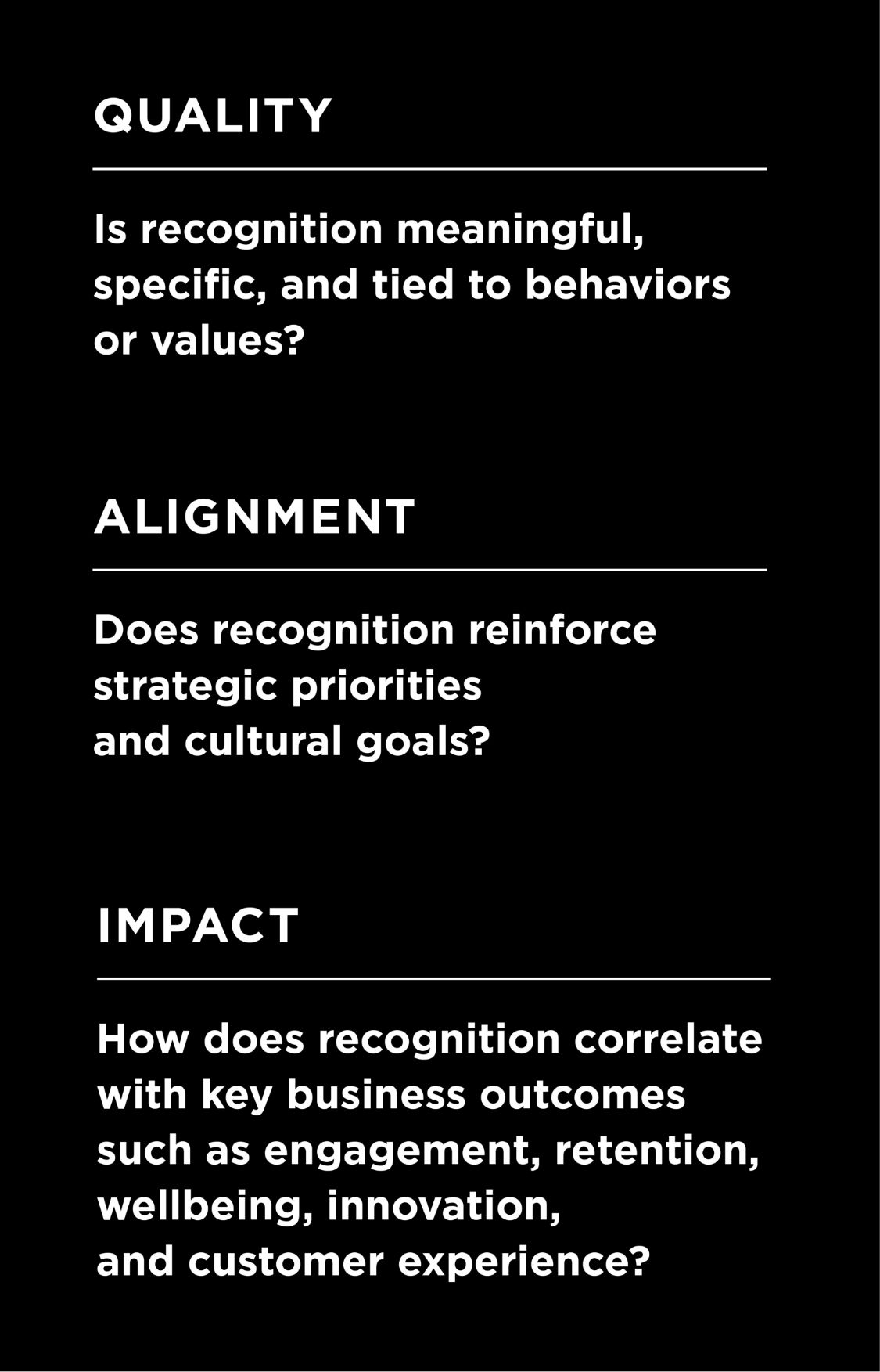
The first step is approaching measurement through the lens of performance culture. Rather than focusing solely on frequency of recognition, healthy performance organisations look at quality, alignment, and impact:
Recognition data sets can reveal patterns that drive performance. For example, when recognition is widely distributed across teams and levels, cultures tend to be healthier and more collaborative. Conversely, when recognition is concentrated among a few employees, or delivered inconsistently, performance and engagement suffer.
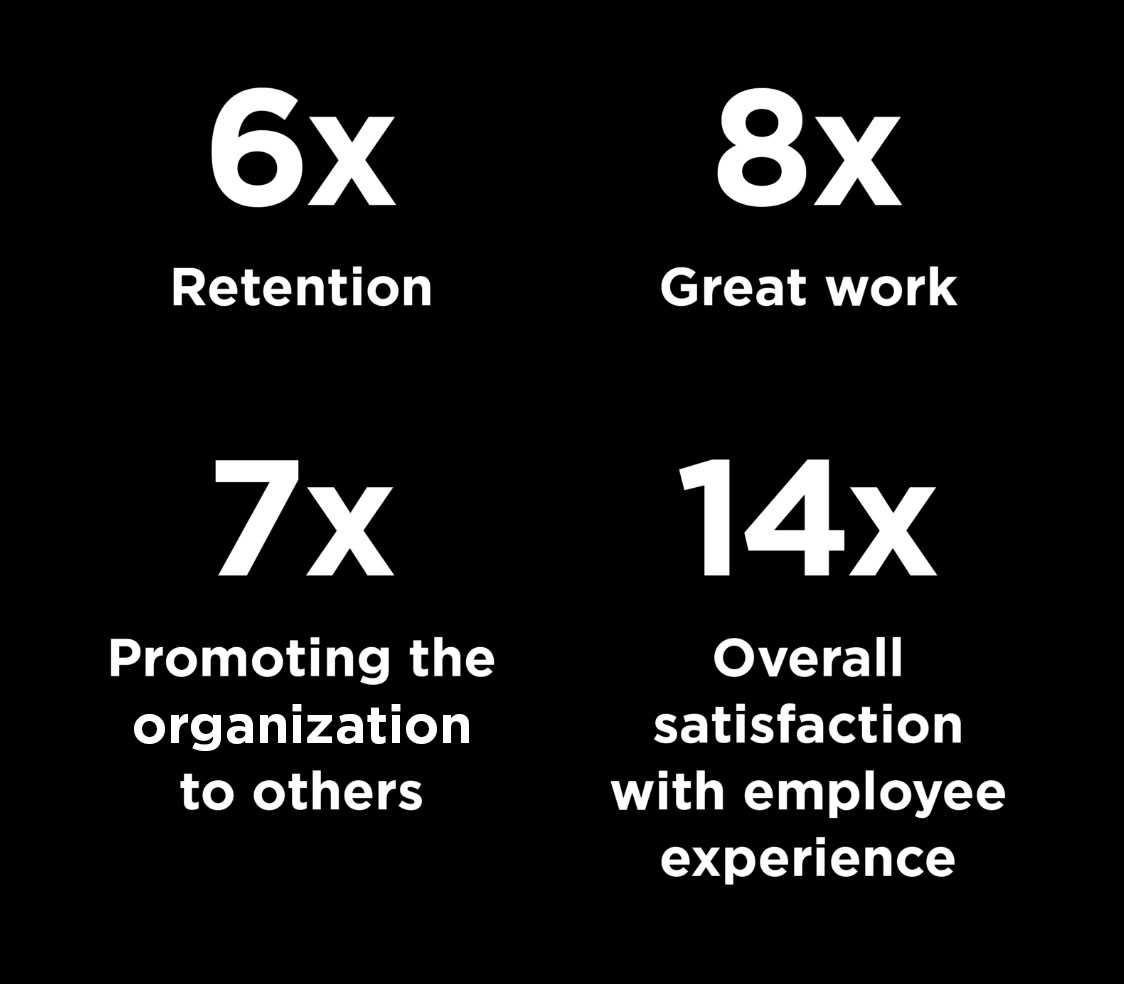
The ROI of employee recognition and research from the O.C. Tanner Institute show the measurable difference recognition makes. Employees at organisations with integrated recognition programmes are:
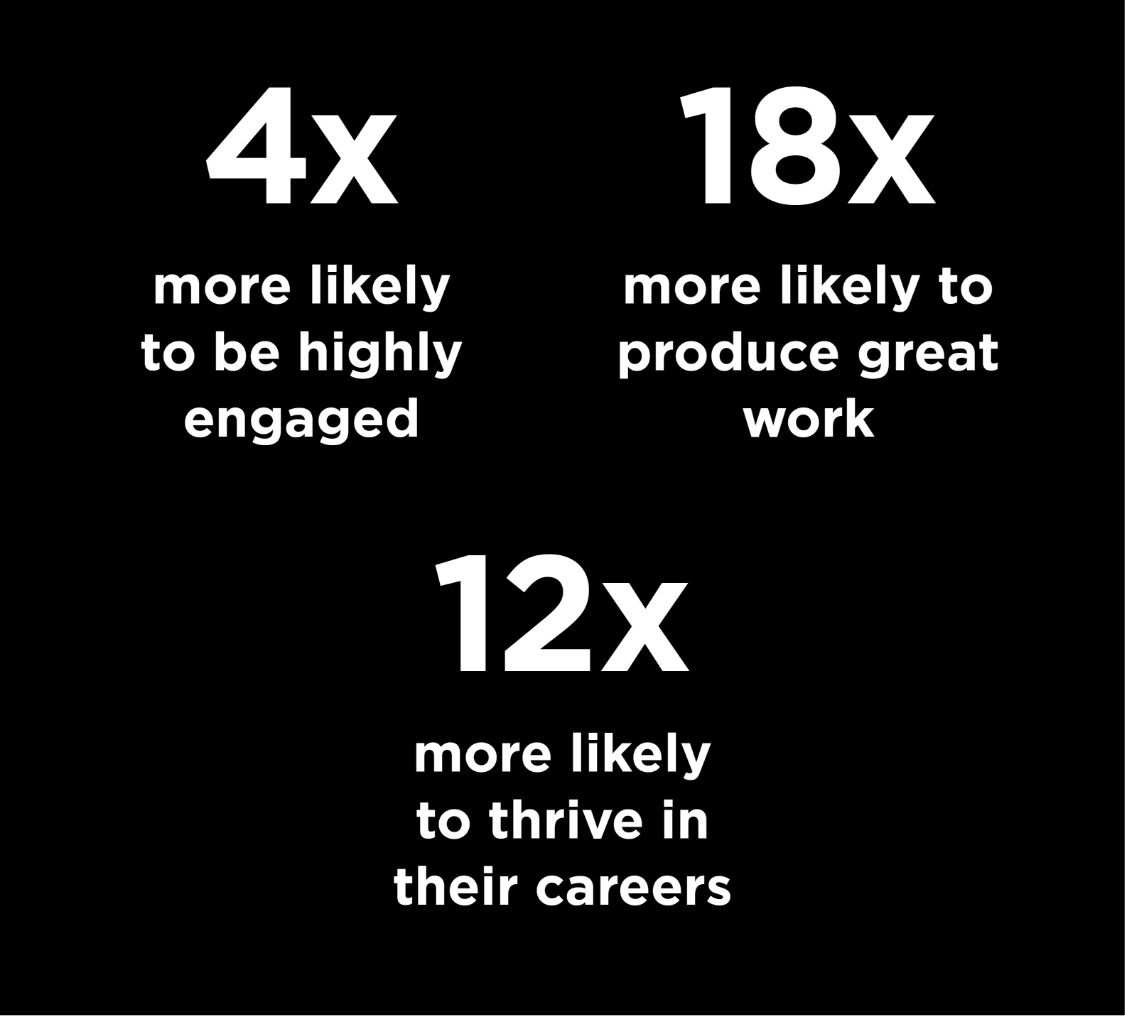
By linking recognition metrics with business performance data, leaders can clearly see how recognition impacts outcomes—and where opportunities exist to strengthen culture. This makes recognition not only a cultural necessity, but also a performance management tool that encourages performance and productivity.
Measuring recognition is measuring culture. And when leaders know how appreciation shapes behaviour, they can use it to accelerate the results that impact every level of your organisation.
See how Culture Cloud can help you support, encourage, and recognise your teams—so they thrive at work.
Turn Recognition Into Real Connection
Top