

2026 Global Culture Report
A rigorous look at the evolving shape of work.
As employees face challenging times, they need a workplace that inspires the best of their talent and potential. This year’s report explores practical solutions to help employees thrive, despite the stress of modern life. The best work cultures inspire people, practice hope, build inclusive teams, nurture high performance, and remain transparent from top to bottom. Read on for the highlights from our latest research.
THE TALENT MAGNETS™
The current state of six essential elements that define thriving cultures.
Year-over-year change
Each of our Talent Magnet scores increased 1–2%. This indicates that while organisations are making improvements to their cultures, there’s still significant opportunity for more gains, particularly in the areas of wellbeing, leadership, and appreciation.

“There are only two ways to influence human behaviour: You can manipulate it, or you can inspire it.”
The workplace shouldn’t be another source of stress and uncertainty. Organisations can create a culture of inspiration that helps people grow, stay engaged, and perform at their best.


Sparking Inspiration
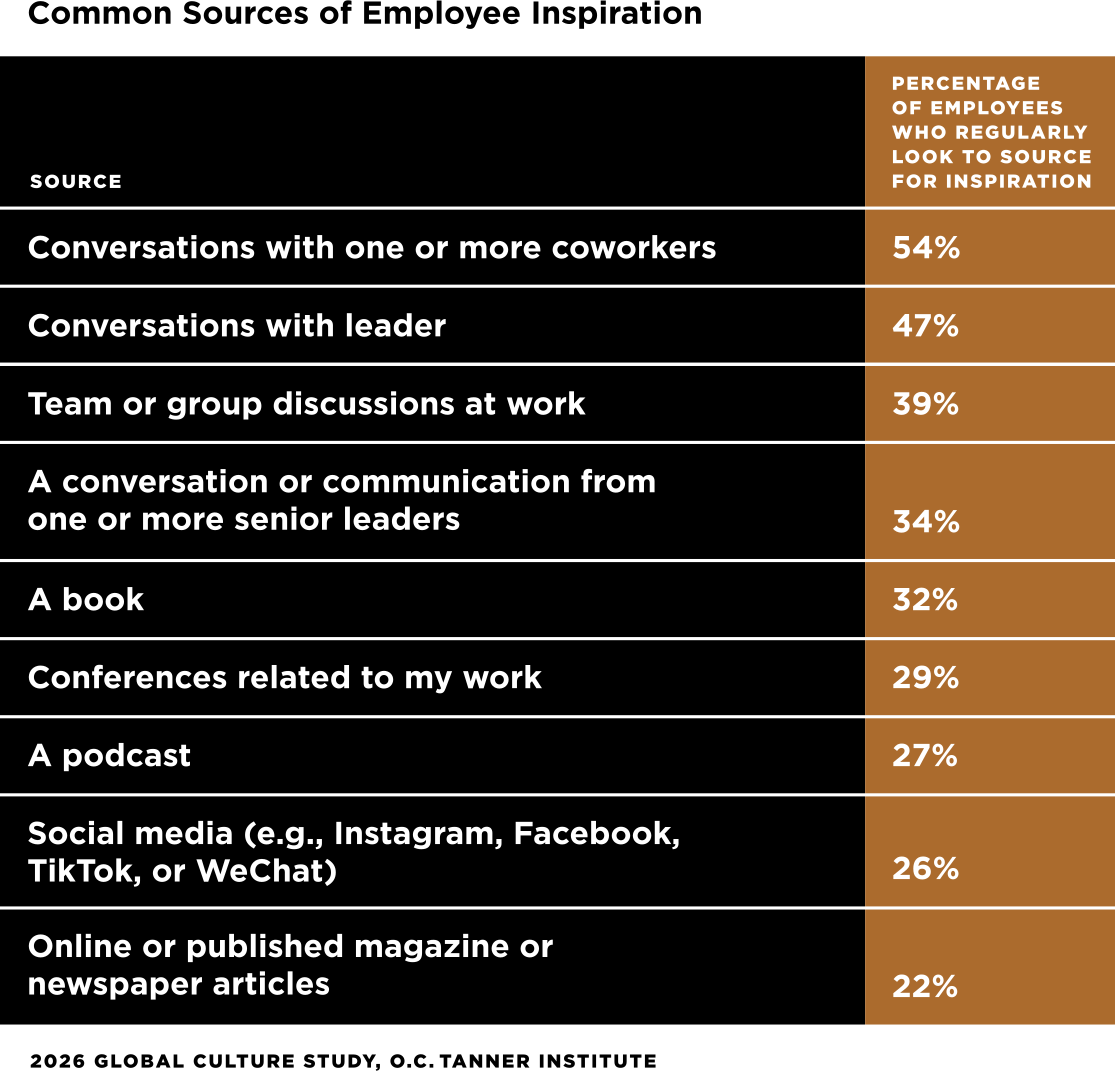
Employees crave the uplifting moments that connect, propel, and fulfil. But what ensures they routinely happen?
Inspiration in the workplace is a realistic goal that delivers significant returns. When employees feel inspired, the benefits improve outcomes across the organisation.
Interactions with coworkers can have a substantial effect on how employees feel about their role, the organisation, and the length of time they might stay. Open communication, collaboration, and idea sharing can help colleagues develop inspiring relationships.

“When you feel appreciated in the workplace, you’re inspired to go above and beyond. That’s how I feel.”
Inspiration thrives when leaders and teams actively share ideas, recognise great work, and give each other opportunities to act on what motivates them.


Hope in Practice
Individuals and organisations are more likely to thrive when passive expectations become renewable actions.
Functional hope can fuel growth, achievement, and a strong workplace community.
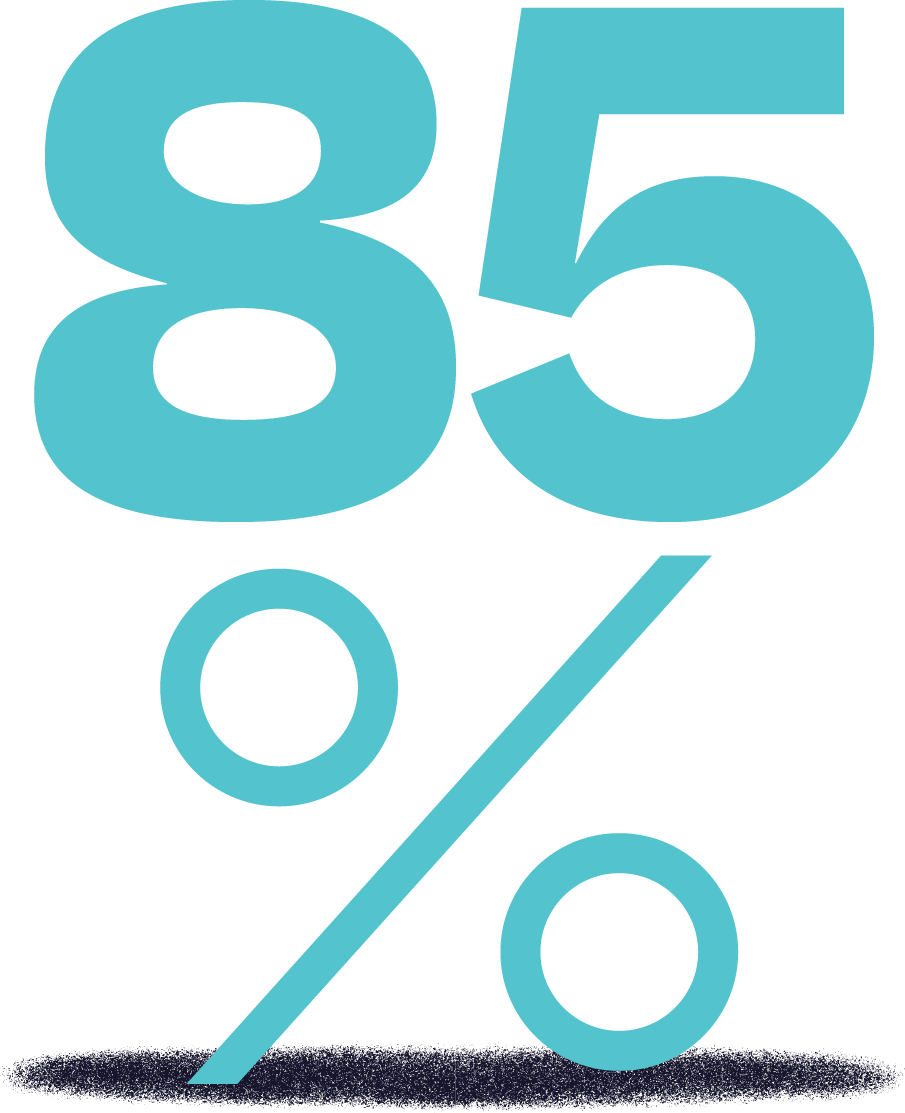
increased odds workers have a strong sense of hope when goals are inspiring
Effective hope in the workplace is more than being optimistic. It requires acting on that optimism, giving employees something to look forward to, and enabling them to avoid or overcome setbacks.
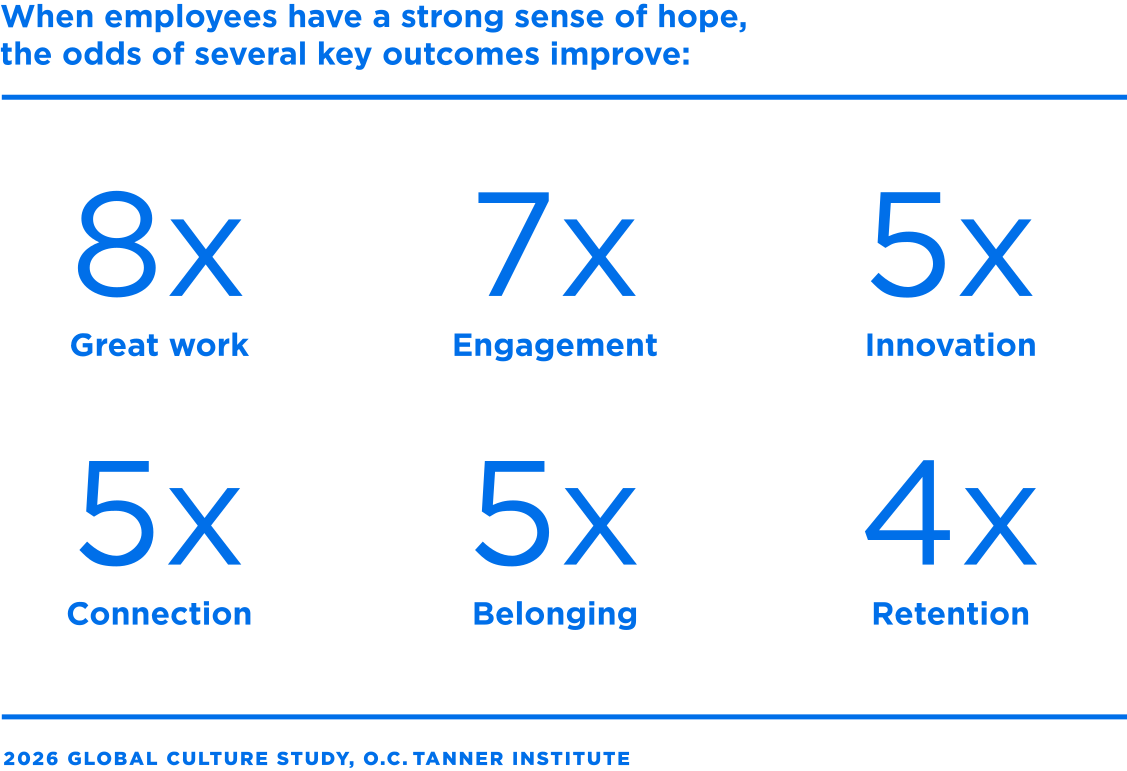

Rather than a feeling or emotion, hope must be a practice. If inspiration is a spark of energy that gets employees moving toward an outcome, hope is the process for achieving it.
The practice of hope in the workplace is a dynamic process of setting meaningful goals—supported by community and recognition—that build momentum, reinforce agency, and drive ongoing achievement.


Inclusive Teams
The key to achieving and maintaining employee inclusion is coworkers.
Inclusion thrives when practiced at the team level, where people feel seen and supported, leading to greater engagement, performance, and wellbeing across the organisation.

greater sense of thriving when employees believe their teams are inclusive
Increased Odds of Inclusive Team Behaviours with Integrated Recognition
10x
Emotional Intelligence
10x
Respect
11x
Voice
11x
Learning
10x
Goals and Purpose
15x
All practices combined

“Diversity is a fact, but inclusion is a choice we make every day.”
Inclusion is a team-level practice with proven benefits, built through emotional intelligence, respect, voice, learning, and shared goals. Recognition helps build inclusive teams.


Healthy Performance Cultures
When high expectations meet the right support, employees and business thrive.
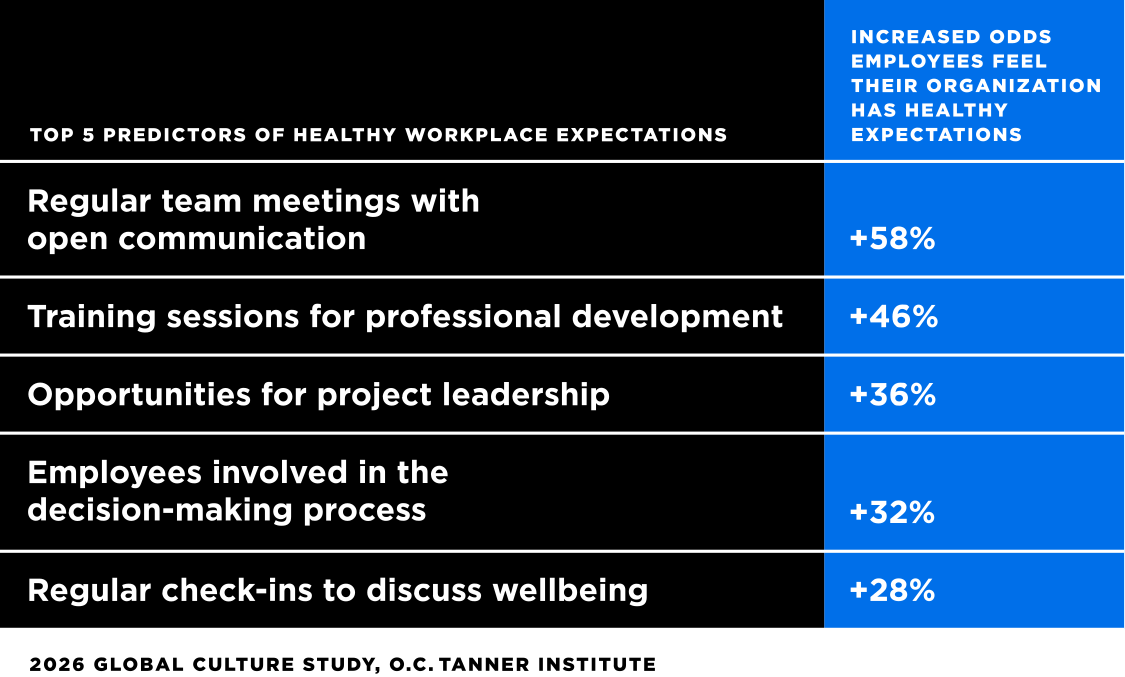
Employees perform best when they have clear goals, realistic expectations, and a strong sense of connection. A high‑performing work community helps them to grow and find fulfillment.

Employees are likely to stay 2 years longer when their organisation provides high expectations and high support

“The key to unlocking better results is an abundant approach. The best and fiercest leaders find a way to look for the ‘and’ in small and big moments. They are both resolute and exacting on standards and caring with the people involved.”
A healthy performance culture combines high expectations with strong support for workers. Communication and opportunities for growth lead to higher engagement and stronger business outcomes.


Transparency Revisited
What employees want to see most is how they make a difference.
When organisations and leaders are transparent with employees in specific ways, trust, accountability, and engagement follow. Clear communication brings powerful and unexpected benefits to workplace culture.

increased odds an organisation will be a great place to work when it practices the four types of transparency
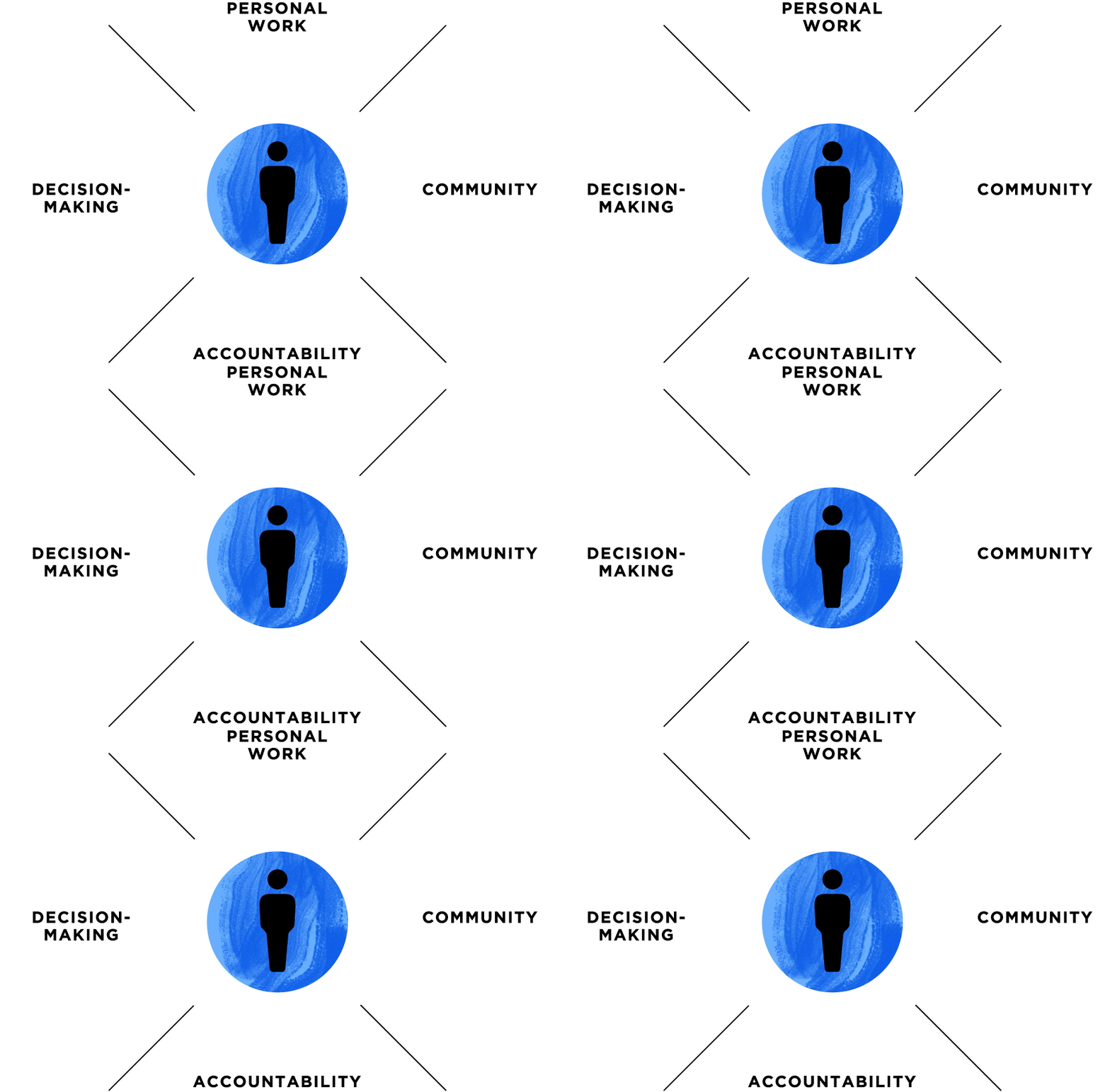
Our studies reveal employees expect transparency in four key areas:
- Personal work
- Connections with others and their workplace community
- Decision-making (both senior leadership and immediate leaders)
- Accountability
New Paradigm of Transparency

“The greatest gift you can give your team: clarity, communication, and pulling people together around a shared mission.”
Employees thrive when transparency exists across personal work, community, decision-making, and accountability. Candid and frequent communication and involvement helps people feel informed and valued.