Updated on
September 18, 2026
18 September 2026
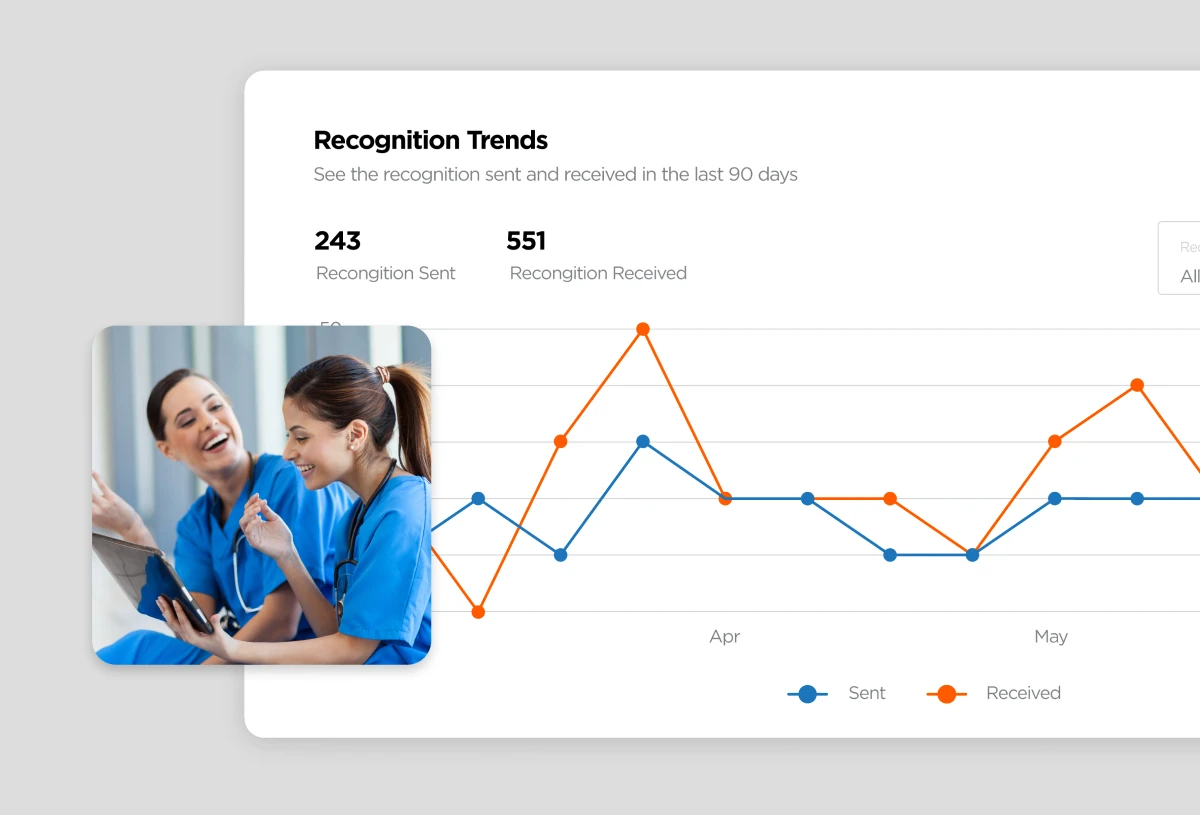
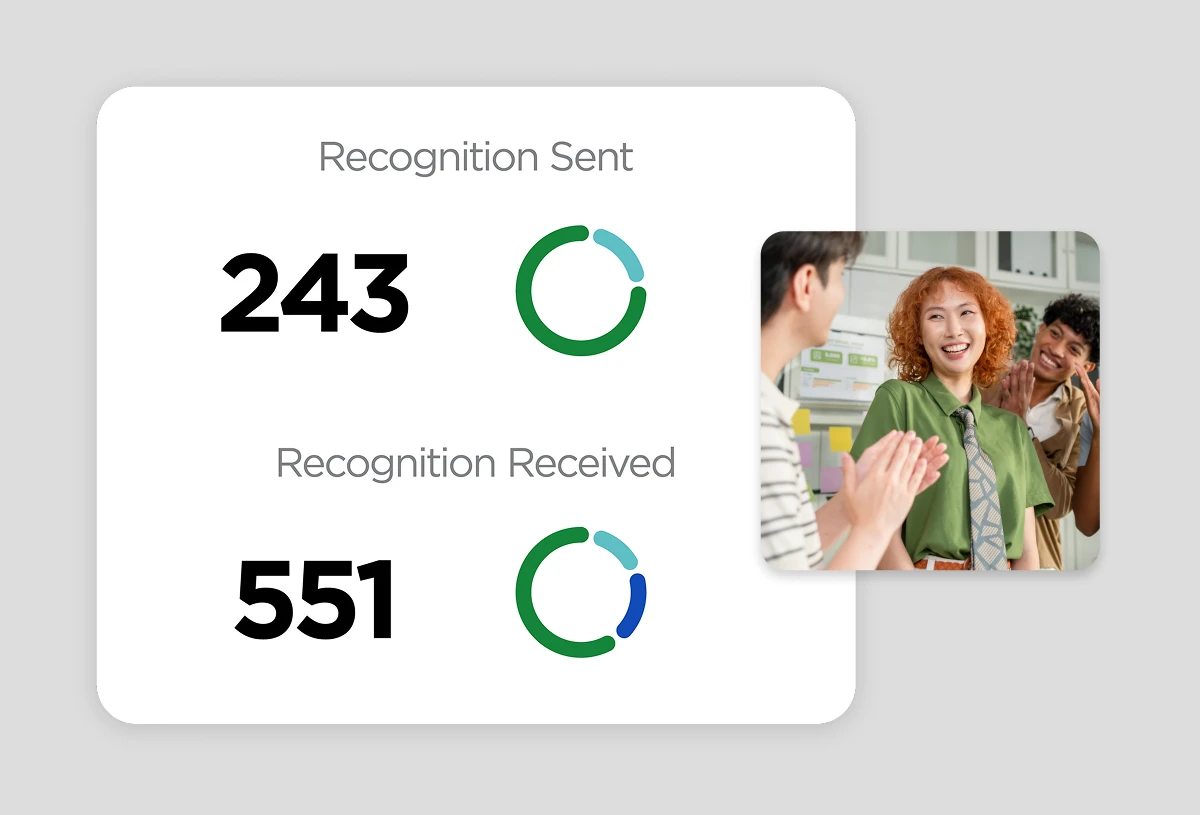
Recognition is one of the most direct ways to show employees their contributions are noticed and valued at work. When it happens in a timely manner and carries extra meaning, it reinforces that their effort was noticed and it mattered.
Research from the O.C. Tanner Institute finds that while businesses in IMEA are investing in employee recognition, it's often not timely enough to deliver maximum impact. By the time it arrives, the moment it was meant for has already passed.
This points to a broader challenge across the region: recognition needs to be both frequent and meaningful, and right now, it's not always experienced consistently in either respect.
The importance of frequent employee recognition
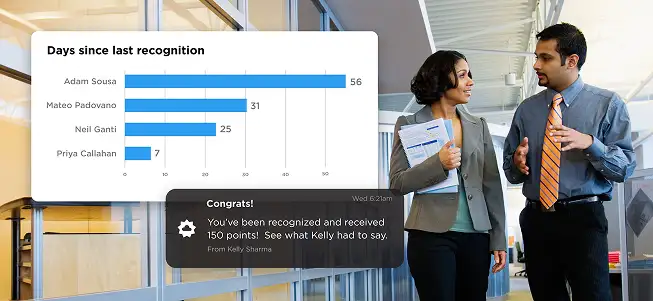
While many employees in IMEA say recognition is built into their organisation's culture, that doesn't mean all employees experience recognition when it matters most, or in ways that are most meaningful to them. Some employees may go three months, six months, or even a year before being recognised, or may receive recognition that doesn't feel personal and falls short of the intended impact.
Consistent recognition translates into measurable impact across HR metrics. Employees who have received meaningful recognition within the past 30 days are nearly twice as likely to report above‑average engagement and job satisfaction. Once that window passes, the positive impact drops by 48%.
Additionally, organisations with recognition embedded into everyday culture are 9x more likely to adapt well to change and innovate regularly. Employees are 17x more likely to report high levels of trust in their organisation, 16x more likely to be highly engaged, and 7x more likely to intend to stay another year.
The message is clear: recognition works best when it is timely and consistent.
But frequency is only one part of the equation. Recognition can happen regularly and still fall short if it doesn't feel personal, sincere, or meaningful to the person receiving it. The question, then, isn't simply how often employees are recognised, but what those recognition moments actually feel like.
Beyond frequency: Recognition that resonates
Many organisations across IMEA invest in recognition programmes and their leaders understand the value of employee recognition. Now these organisations need to focus on whether recognition is happening consistently and whether it's meaningful.
When recognition is happening often, it's natural to assume it’s working and that your workforce is feeling supported and uplifted. But our research shows that frequency alone does not determine whether recognition has a lasting impact. How recognition is experienced matters just as much.
Employees rarely remember every recognition moment. What stays with them is how that recognition made them feel, whether it felt genuine, personal, and like a real acknowledgement of their contribution.
Our research identifies four basic principles to keep in mind when planning a recognition moment. Make sure it is given in a way that:
- The employee prefers to be recognised (ex. in front of a big group or during a one-to-one meeting)
- Makes the employee feel appreciated for their specific contribution
- Feels personal and sincere, like the giver really put thought into this moment
- Is meaningful to the individual
When employees experience all four principles at once, the odds that their most recent recognition felt meaningful increase 5x. And when that meaningful recognition also happens within the previous 30 days, the odds of above-average engagement increase 10x. It’s about getting the message and the timing right.
Get more global data on what makes recognition meaningful and how it can drive community and great work in our State of Employee Recognition report.
Elevating recognition through leadership
While these principles provide a clear direction for organisations, putting them into practice consistently requires leaders to shape the everyday behaviours that make recognition timely, personal, and meaningful.
But leaders don't need to start from scratch. Closing the gaps in recognition frequency and quality isn't necessarily about building something new; it's about shifting how existing recognition gets delivered.

Make recognition a weekly habit, not an occasional gesture
Don't wait for a major achievement or milestone to recognise someone. Smaller, more frequent moments of appreciation can have a greater impact than one big gesture followed by months of silence.
Equip leaders to recognise well
Recognition shouldn't be something leaders are simply told to do. Give them the tools, guidance, and training to do it effectively.
About 75% of IMEA employees already feel their leaders have the tools to recognise them, giving organisations a strong foundation to build on. When leaders are equipped and when they train others on how to recognise, the odds employees will feel a strong connection to their leader increase by 3x and the odds employees will feel recognition is integrated into the culture of the organisation increase by 17x.
Focus on the quality of recognition, not just the frequency
Before recognising someone, ask: Is this meaningful to them? Does it reflect how they prefer to be recognised? Does it feel personal and sincere? Does it clearly acknowledge their specific contribution? Checking all four can turn a routine moment of recognition into one that genuinely resonates.
Make access to recognition equitable
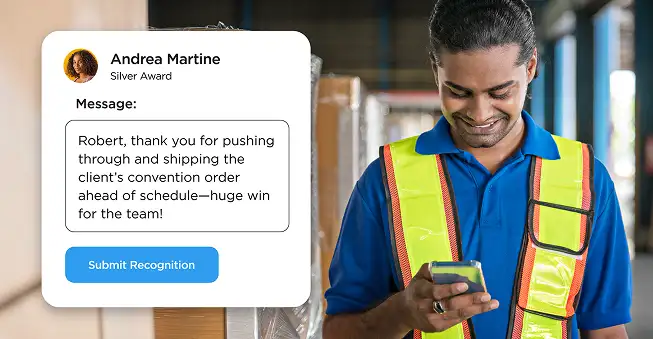
Recognition shouldn't depend on being in the right role or having the right manager. When the ability to give and receive recognition is open to everyone, not limited to select roles or managers, the odds employees will feel recognition is integrated into the culture increase by 7x.
Most organisations in IMEA have recognition programmes in place, and most leaders genuinely want employees to feel valued. The real opportunity lies in turning those good intentions into consistent leadership habits, the kind that transform recognition from just another HR programme into an integrated part of each organisation’s culture.
When recognition is frequent, personal, and meaningful, it becomes more than a positive moment. It strengthens trust, builds belonging, and creates the conditions for people to do their best work.
For leaders across IMEA, investing in meaningful recognition is a practical, research-backed opportunity to build a stronger culture where employees know their contributions are truly seen and appreciated.
Get more data and insights into the state of workplace culture in IMEA, and how you can improve company culture, in this white paper.
O.C. Tanner's Culture Cloud® employee recognition platform is a leading choice for companies across IMEA looking to strengthen workplace culture through meaningful recognition.
Turn Recognition Into Real Connection
Top