Updated on
June 16, 2026
16 June 2026
Recognition does more than make people feel good. Research from the O.C. Tanner Global Culture Report and The State of Employee Recognition shows that when recognition is integrated into the daily work experience, it leads to higher engagement, innovation, and revenue. But recognition is also a versatile HR tool that can help you address some of the toughest challenges you face today.
Challenge No. 1: Driving high performance
High expectations need equally high support.
The 2026 Global Culture Report research on healthy performance cultures looked at four combinations of expectations and support in the workplace:
High expectations, low support: Employees are pushed to perform but left without the resources or recognition to succeed. This can lead to burnout and disengagement.
Low expectations, low support: Employees feel neither challenged nor cared for, leading to apathy.
Low expectations, high support: Employees feel supported but not stretched, which can stall growth.
High expectations, high support: Employees are challenged and given what they need to succeed. This is where performance and wellbeing thrive together.
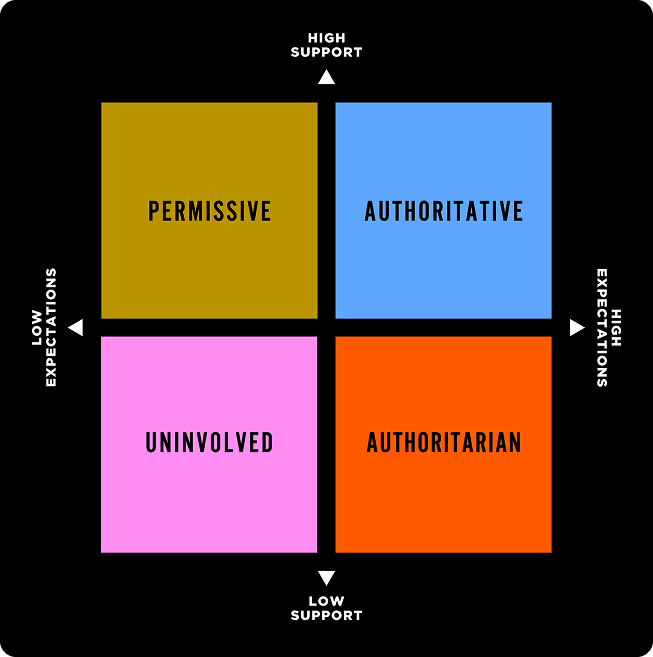
In authoritative environments (high expectations with high support), employees are more satisfied, more innovative, and more likely to stay (see Challenge No. 2 below). 76% of employees in high-expectation, high-support organizations report workplace satisfaction, significantly higher than any other combination of support and expectations.
Creating a healthy performance culture
Healthy performance cultures are environments where employees have clear goals, feel connected to purpose, and know their contributions matter. And recognition is a direct way to deliver that message. When leaders recognize employees for reaching milestones or going above and beyond, they’re reinforcing that the work matters and that the person doing it matters, too.
What to do
Honor high performance in authentic, meaningful ways. Use custom awards to celebrate above-and-beyond work with something lasting and meaningful. A symbolic award is something employees display with pride long after the moment has passed. Pair that with Incentives to unite teams around a shared goal, reward effort in real time, and applaud progress all the way to the finish line.
High performance in action: Wellstar
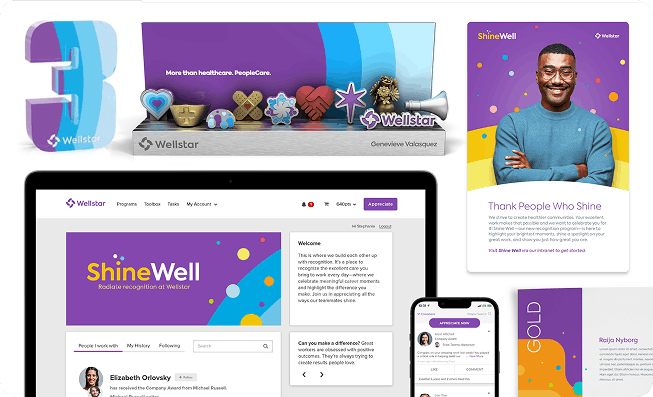
Wellstar, a health system with more than 25,000 employees across 300+ locations, wanted to rally its revenue cycle team around a shared performance goal: reducing workqueue aging. Using the Initiatives feature in their ShineWell recognition platform, the team turned a difficult operational challenge into a motivating, team-wide push. In just one month, employees were saying they were “actually excited to work now” and they were able to reduce aged insurance accounts receivable by $13M.
Challenge No. 2: Retaining talent
Employees stay when they feel valued.
“[Recognition] is the greatest retention tool in the world.”
—Russell F. Cox, President and CEO, Norton Healthcare
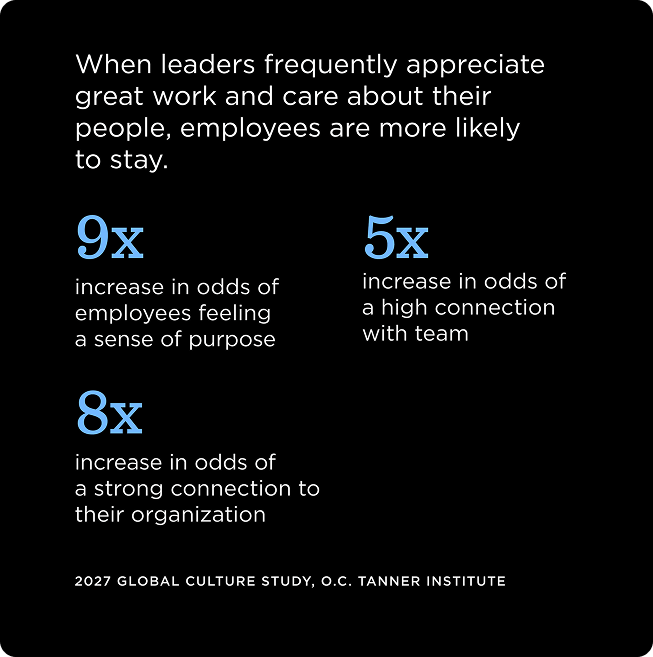
Turnover is one of the most expensive challenges a company faces. Beyond the direct cost of replacing someone, you lose institutional knowledge, team cohesion, and momentum. The key to keeping your best people isn’t always compensation, it’s making them feel seen.
It’s not all about the money
While 80% of employers think employees leave for higher pay, only 12% of them actually do. Global studies reveal that 79% of people who quit their jobs cite “lack of appreciation” as their reason for leaving. No one wants to stay at a job where they aren’t seen, valued, or recognized for their hard work and contributions.
How recognition retains your best people
The 2026 State of Employee Recognition report found that employees with access to integrated recognition are 5x more likely to plan to stay for at least three more years. Integrated recognition builds appreciation and celebration into each area of an employee’s life at work: their day-to-day efforts, above and beyond accomplishments, career achievements and milestones, and great work.
What to do
Invest in a recognition solution like Culture Cloud® by O.C. Tanner that makes recognizing easy, meaningful, and visible. Use Culture Cloud’s Flight Risk Dashboard, part of the Culture Intelligence suite, to see which team members are at risk of leaving based on their recognition history, so you can act before it’s too late.
Retaining talent at ICF
ICF, a global consulting firm with 9,000 employees, expanded its You Matter recognition program with O.C. Tanner and integrated it with Workday and a wellness app. The result: 90% of employees were recognized in a single year, and receiving recognition accurately predicted whether an employee stayed or left 91% of the time.

Challenge No. 3: Managing dispersed teams
Recognition is the connective tissue for dispersed teams.
As teams grow more distributed across time zones, offices, and remote locations, the risk of disconnection grows with them. The question remains: how can companies best meet the needs of their workers whether they are in the office, on the job site, or at home?
Recognition is one part of the equation. The 2026 State of Employee Recognition found that geographically dispersed teams with integrated recognition programs that strengthen connection are 51x more likely to excel at collaboration, 44x more likely to feel everyone on the team contributes a valuable perspective, and 6x less likely to experience high turnover compared to other teams.
“Helping people feel appreciated lets them know they are on the right path, that they are being noticed, and people care.”
—Beril McManus, Senior Manager, Recognition and Engagement, American Airlines
Help employees feel seen, no matter where they are
It can be hard for employees to have the same opportunities for growth, networking, or special projects if they aren’t in the office. Recognition is an effective way to ensure hybrid and offline workers’ great work and contributions are seen. And when you do it right, recognition highlights employees to the entire company, so they can be remembered for growth and development opportunities in the future.
What to do
Make recognition public and social. Make sure your program includes a social wall to highlight recognition across your whole organization in a more visible way. Use reporting dashboards to help leaders track their dispersed teams’ recognition and Broadcast to share employee wins with your team or the whole company.
Managing dispersed teams at Norton Healthcare
Norton Healthcare serves 18,600+ caregivers and employees across more than 300 locations. To make sure frontline workers feel seen, Norton integrated Culture Cloud with their digital rounding solution. This allows leaders to show appreciation to employees when they hear about the great work they are doing. Norton saw a significant reduction in burnout scores and an increase in leader relationship scores in a single year.

Challenge No. 4: Improving connection and culture
Connect your people and transform your culture.
“Employees who feel more appreciated are more productive and feel more valued and connected.”
—Mike Nelson, Director of Talent Development, Heritage Bank
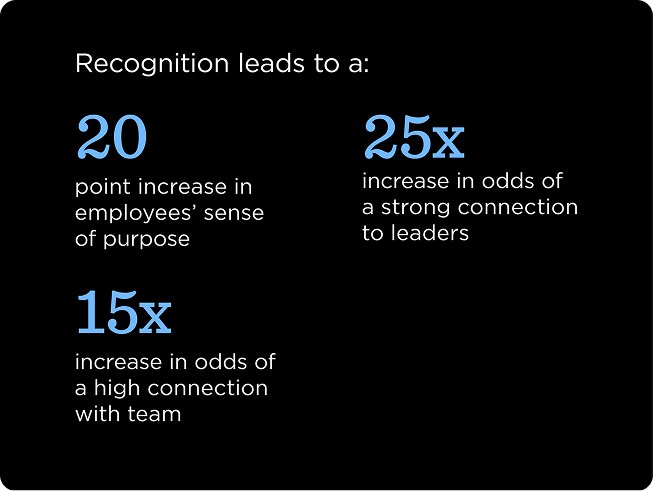
As an HR leader, you want to create a culture that connects your people to purpose, to each other, and to your organization. In other words, the kind of culture that makes your employees want to come to work each day. Recognition, more than anything else, can do this.
Recognition is more than just an HR program
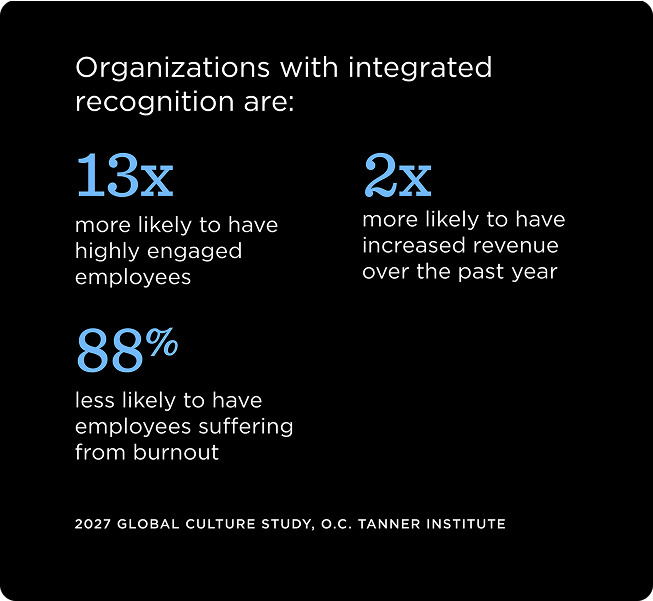
In order for recognition to strengthen culture and connection, it must be more than just an HR program. It must be a company-wide initiative and an integrated part of your culture and organization.
What to do
Integrate recognition throughout the everyday employee experience so teammates can connect and build relationships in big and small ways. Enable peer-to-peer recognition so appreciation flows in every direction, not just top-down. Use career anniversary awards to honor the milestones that represent years of loyalty and dedication. And use custom awards to connect achievement to your company story and values.
Connection across cultures at Newgen
Newgen, a global technology company, needed a way to recognize and unify employees across offices in India, the Middle East, and the Americas. They chose Culture Cloud for its global reach and ease of use, and launched Ignite, a recognition platform that lets any employee recognize a colleague, regardless of geographical boundaries.
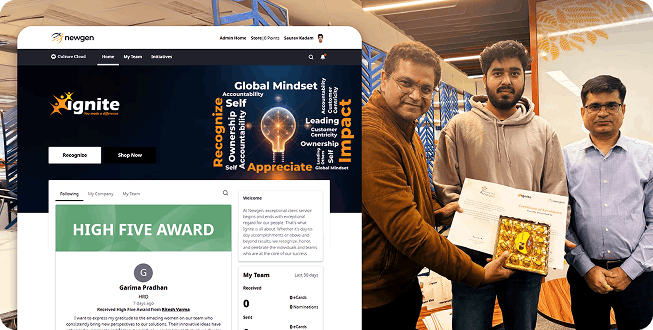
“The idea was that any Newgenite in any part of the world should be able to recognize, appreciate, and nominate any of his or her colleagues through this platform. We really did not have anything like this earlier and that's the reason we went for O.C. Tanner.”
—VP, HRD & Operations, Newgen
Challenge No. 5: Creating inclusive teams
Inclusion happens at the team level. Recognition makes it real.
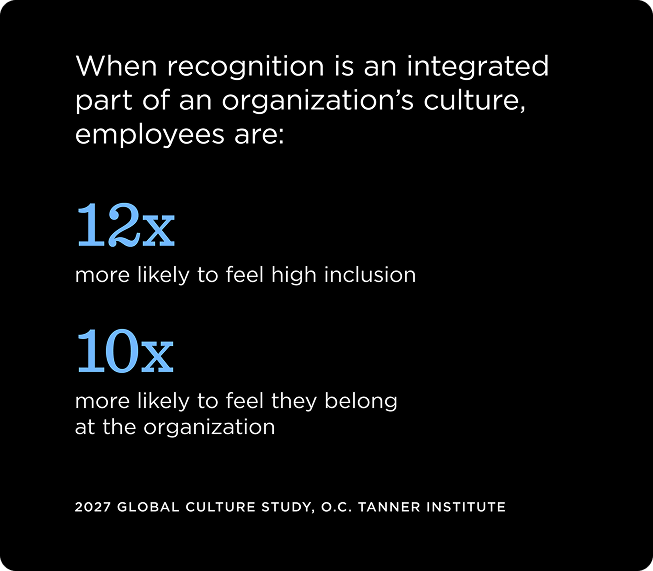
The 2026 Global Culture Report found that inclusion is most powerful when practiced at the team level. When organizations build truly inclusive teams, employees are 8x more likely to feel they belong, 10x more likely to thrive, and teams are 13x more likely to meet their goals.
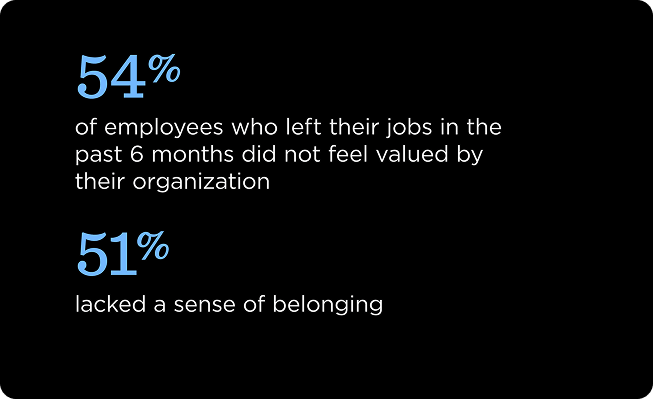
Ultimately, inclusion at work is about belonging. Employees want to feel like they belong, are valued for what they bring to the team, and are welcomed in every setting.
Recognition builds belonging
When you recognize employees, you show they are valued as an individual for their unique selves and contributions, that they are an integral part of the team and your organization. Recognition connects employees to a company’s purpose and one another.
What to do
For recognition to increase belonging and inclusion, it must be available for everyone. This includes giving all employees (offline, remote, leaders and non-leaders, and employees in all locations) access to the same tools and awards and the ability and empowerment to both give and receive recognition.
Use Recognition Coach, an AI-enabled tool within Culture Cloud, to help leaders and team members write recognition that’s specific, personal, and inclusive, so every act of appreciation reinforces belonging rather than missing the mark.
“Recognition and appreciation are really an opportunity to show your employees they are seen, they are heard, and they are valued. It’s important to understand the value that each of your individual employees is bringing to the table and appreciate who they are as a person, both the impact they make and the character traits that contribute to the diversity and success of your teams.”
—Head of U.S. Well-Being & Digital Health, BASF
Inclusive teams at Chevron
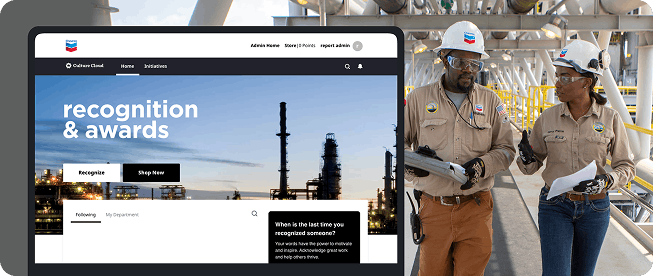
With 40,000 employees across 50 countries—including those working in oil fields and offshore platforms—Chevron needed recognition that reached everyone equitably. The company centralized its programs under one Culture Cloud solution and built offline tools to make sure even the most remote workers feel appreciated. “Belonging” is now the highest-scoring metric on Chevron’s employee survey, with engagement and retention improving.
More recognition means fewer challenges for you
Employee recognition is a way to:
- Inspire employees to do their best work
- Keep top talent and unify dispersed teams
- Reinforce your culture and values
All of which make it easier for you to tackle the other organizational challenges on your list. When your employees thrive, your business does, too.
Ready to see what recognition can do for your organization? Explore Culture Cloud.
Turn Recognition Into Real Connection
Top