Updated on
April 13, 2026
13 April 2026
As constant change and uncertainty in the workplace continue in 2026, the role of leadership will also evolve. The future of leadership is more transparent, inclusive, and deeply human.
Below are three ways, based on the latest research from the O.C. Tanner Institute, leaders can help their teams thrive in the coming year:
1. Redefine workplace transparency
Transparency is no longer just a corporate buzzword—it’s the backbone of trust. But transparency at work means more than real-time updates or open communication about how decisions are made. Employees now expect transparency in all aspects of their work experience. Prioritizing transparency in 4 key areas (personal work, community, decision-making, and accountability) greatly improves workplace outcomes and business results.
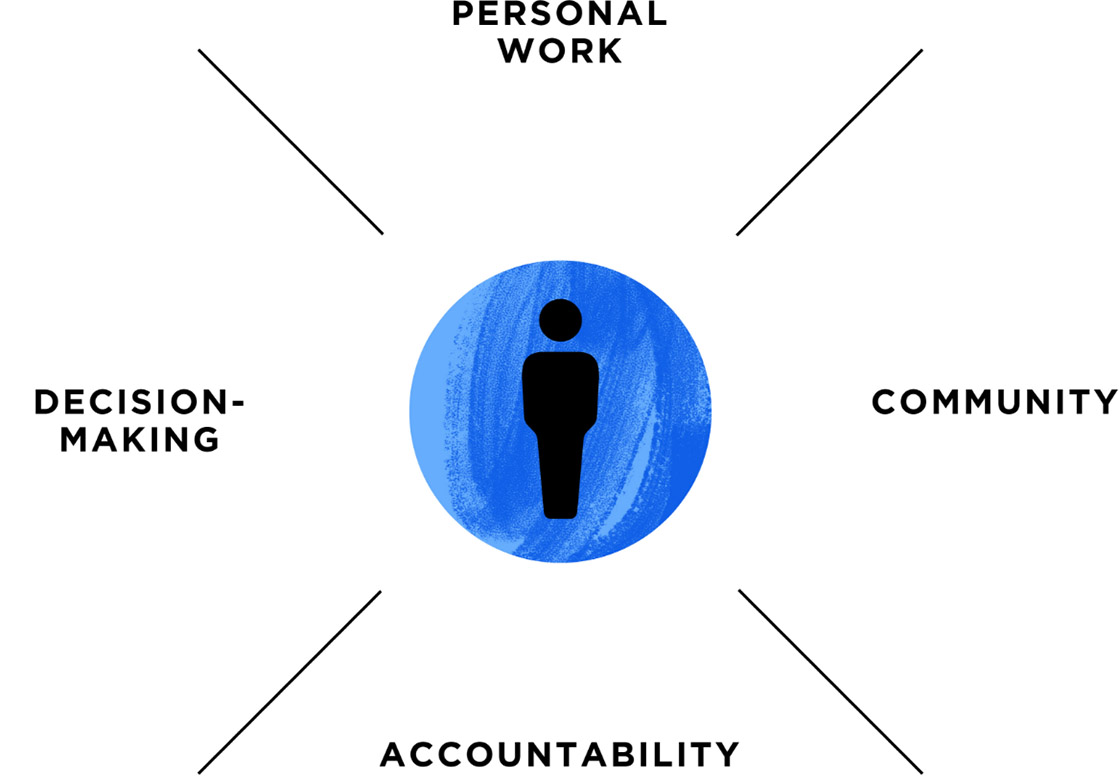

Leaders can practice transparency in these 4 areas by:
- Setting clear goals and expectations for employees, giving transparent feedback on performance, and connecting employees’ work to the company’s purpose
- Fostering environments where employees can share ideas, take risks and try new things, and fail (and win) together
- Communicating the rationale behind decisions and changes, as well as providing employees opportunities to give feedback through open dialogue to increase trust
- Holding themselves accountable, openly sharing challenges, and admitting and taking responsibility for their mistakes
Ultimately, leaders who rethink transparency will be better equipped to guide their organizations through change, foster inclusion, and drive positive employee experiences.
Employee recognition is a great way to support transparency. When organizations practice transparency and recognition, odds of success increase 10x and trust in leaders increases 8x. See why in our Global Culture Report.
2. Build inclusive teams that last
Inclusion isn’t a box to check—it’s the heartbeat of a thriving team. The data is clear: when leaders build cultures of care and inclusion, employees are 8x more likely to feel they belong and 10x more likely to thrive. Teams are 13x more likely to meet their goals, 15x more likely to be engaged, and the organization is 8x more likely to be financially healthy.
But inclusive teams don’t build themselves. In 2026, leaders will need to embed true inclusion into every aspect of the employee experience. This means practicing inclusive behaviors like encouraging teams to share ideas, take risks and fail together, understand one another, resolve conflicts productively, and recognize one another.
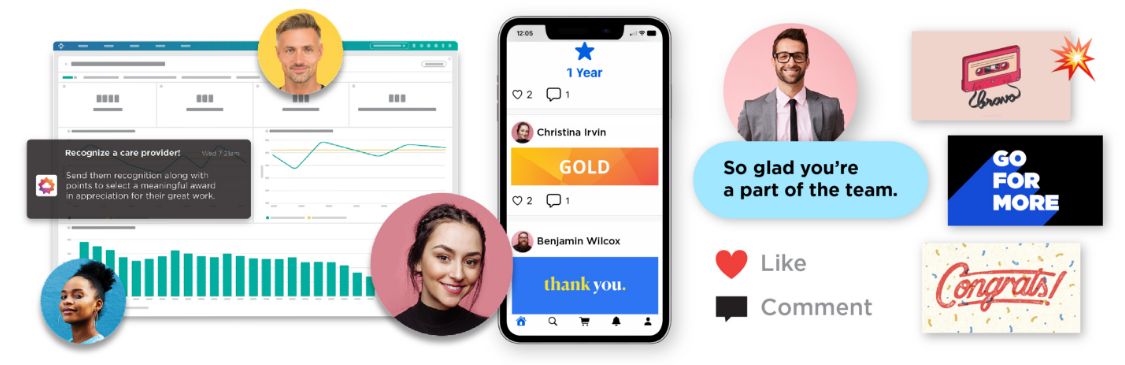
With increasingly global and multigenerational workforces, adapting recognition and engagement strategies to different regions and age groups will be critical. Start by:
- Scheduling meetings at alternating times so international team members don’t have to always meet outside of their business hours
- Providing ways to gather every employee’s perspective and feedback on issues or projects
- Connecting employees’ contributions and accomplishments back to the team and organization through frequent recognition moments
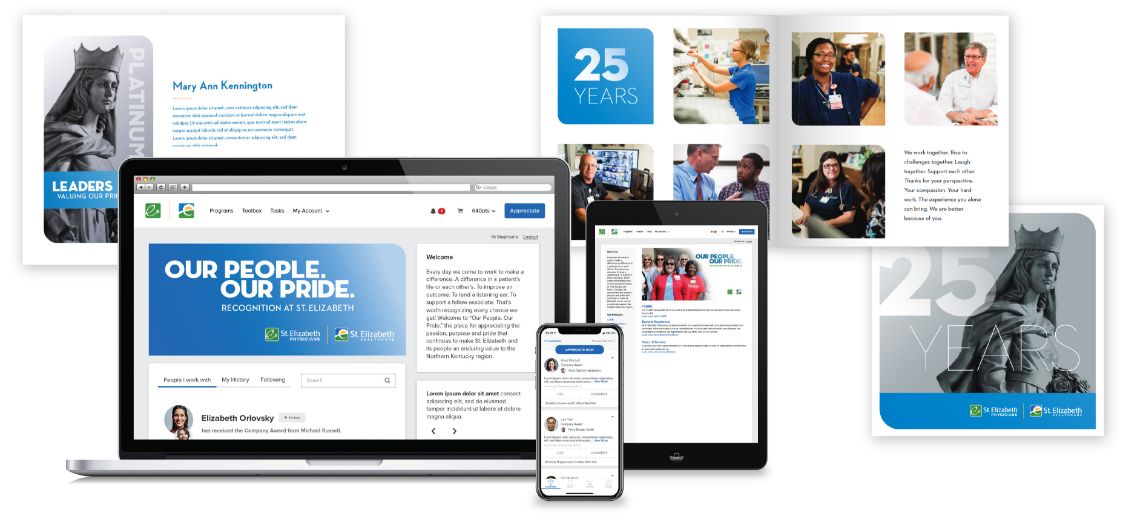
See how St. Elizabeth Healthcare strengthens belonging and inclusion with recognition
3. Lead with humanity
With the rise of technology, the human element of the employee experience matters more than ever. Leaders in 2026 must be empathetic, approachable, and authentic. AI can never replace a leader’s role in inspiring employees, helping teams practice hope to overcome obstacles and achieve goals, supporting employees, or celebrating their wins.
How do employees feel about the role of AI in workplace recognition? Find out in our State of Employee Recognition report.
The shift is clear: leadership is less about command and control, and more about connection and care. Nowhere is this more relevant than with employee recognition.
Employees crave meaningful recognition moments—in fact, 74% of employees believe it’s important that recognition helps them feel seen. Leaders are critical to helping recognition feel meaningful:
- When leaders give recognition that shows they know the employee, there is a 6x increase in meaningfulness of the recognition (compared to an 84% decrease in meaningfulness when the recognition doesn’t convey the leader knows the employee)
- The same is true for AI: 88% of employees who are comfortable with leaders using AI to write recognition messages believe their leaders understand how they want to be recognized
- Authenticity, personalization, and storytelling make recognition meaningful. Create personal recognition moments that detail what employees did and why it matters.
Recognition platforms like Culture Cloud® can help you create genuine, impactful recognition experiences for your teams.

Leaders need support too
Let’s not forget leaders are people too. Leaders are at greater risk of burnout because of the demands and expectations placed on them. They need just as much transparency, belonging, and recognition as their teams. When senior leaders and organizations support middle managers, they are 9x more likely to practice inclusive behaviors themselves.
Organizations should be transparent with leaders, seek their feedback on decisions and changes, help them find inspiration at work, and recognize and appreciate their efforts. When leaders feel valued and inspired, everyone thrives.
For more leadership and workplace insights, check out the 2026 Global Culture Report.
Turn Recognition Into Real Connection
Top