Table of Contents
Table of Contents
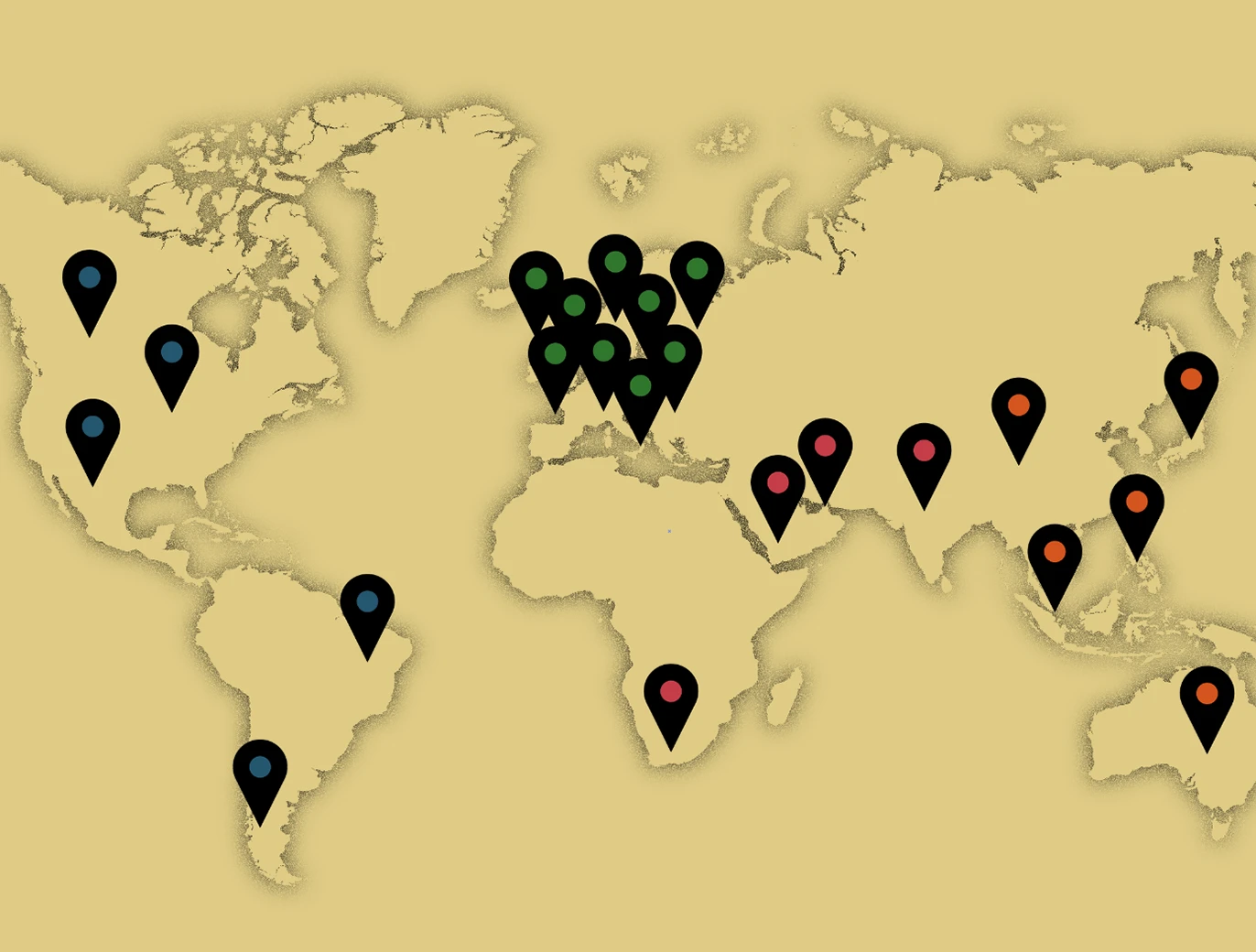
{{report_insert_1}}
{{report_insert_2}}
{{report_insert_3}}
{{report_insert_4}}
{{report_insert_5}}
{{report_insert_6}}
{{report_insert_7}}
{{report_insert_8}}
{{report_insert_9}}
The Americas
The ongoing focus on innovation continues to push new policies and practices across the Americas. Rooted in a shared climate of economic uncertainty and instability, organizations are responding to both challenges and opportunities with distinct regional strategies. In Mexico, the struggle to retain top talent in scientific fields and disciplines has led to increased investment in regional tech centers. Across the U.S., organizations are broadcasting a message that employees must upskill to compete in an AI-driven future. And many organizations are re-evaluating investments in the employee experience with an eye toward strengthening their market position in the short term. Likewise, employers in Canada have responded to issues of talent mobility and employee satisfaction with renewed support for flexible work programs. Our research shows that transformative change in regions across both North and South America emerges when leaders, teams, and meaningful goals inspire employees and motivate action. By embracing regional nuances, empowered leaders can tap into sources of inspiration that speak to individual and company values, unify teams, and unlock the kind of innovation needed to thrive amid uncertainty.
—
Mindi Cox
Chief Marketing & People Officer
Salt Lake City, United States

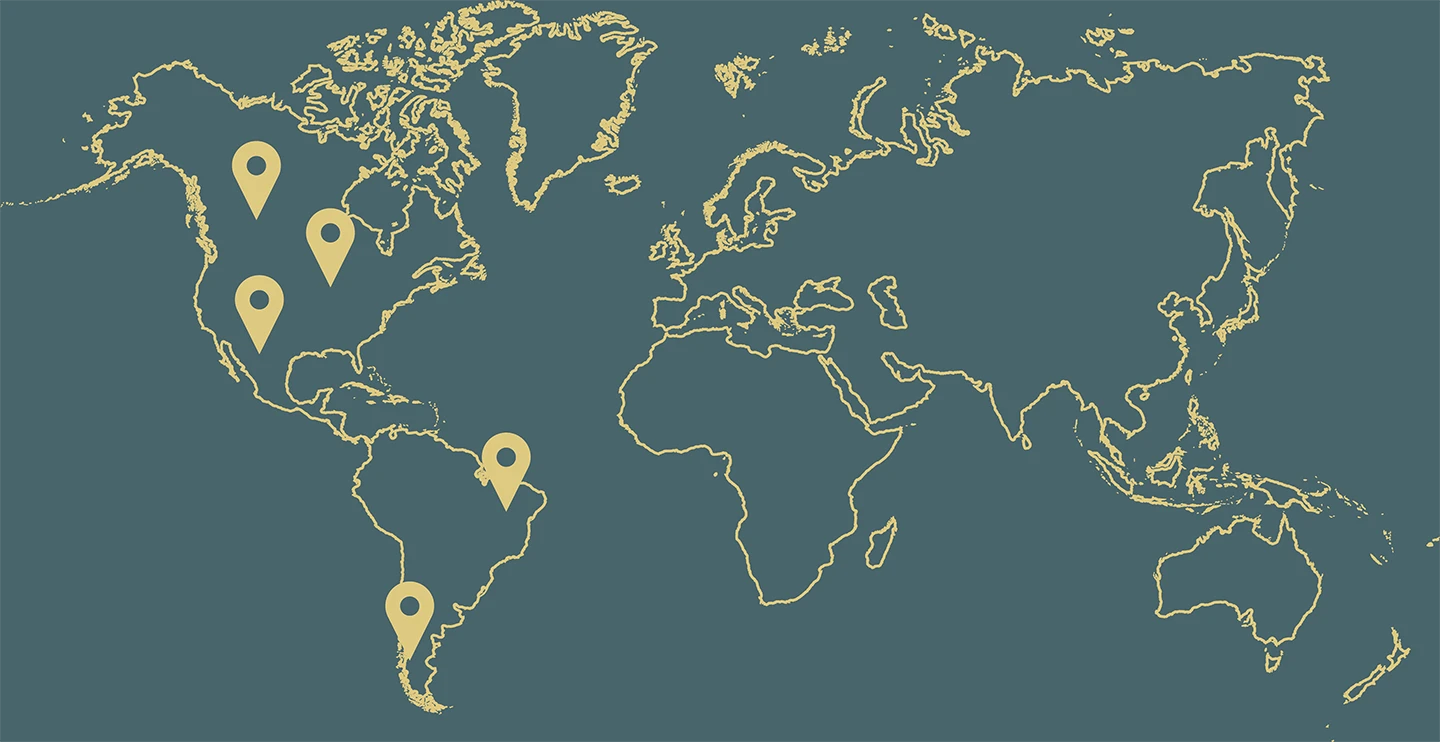
In the Americas, we see generally higher Talent Magnet scores in the United States and Brazil, while wellbeing, hope, and a sense of inclusive teams are low in every country. Overall, the region sees slight improvements in engagement and great work, but burnout remains unchanged. Additionally, while Gen Z employees (age 22–28) are performing well overall, they are struggling more than their older peers to hold a positive vision of the future. Ensuring culture and performance measures stay on an upward trajectory will require leaders to champion practices that inspire employees and connect them to each other and their organizations.

Europe
The diversity of challenges, expectations, and opportunities across Europe makes it one of the most nuanced regions when it comes to creating innovative and inspiring workplaces. Economic strain, an aging workforce, and ongoing regional volatility factor heavily in organisational decision-making, particularly when it comes to both short- and long-term investment in growth and development. As innovation accelerates across Europe, its application often remains localised and unique to country-specific objectives. For some, the need to establish a technological position in an increasingly competitive global market is driving growth. For others, innovation takes the form of reimagining work models in ways that better meet employees’ evolving needs. Despite these efforts, Europe generally scores lower than other international regions in key areas like inspiration, hope, and inclusive teams. This suggests that while organisations may be executing initiatives and decisions, the people behind them may feel disconnected from the values, teams, and practices that make the employee experience meaningful. We find thriving organisations embrace their regional strengths and objectives while aligning their employee recognition strategy and technology to generate inspiration and hope.
—
Robert Ordever
Managing Director, Europe
London, England


A moderate increase in Europe’s overall Talent Magnet scores includes notable upticks in opportunity and engagement, as well as a small decline in burnout. Similarly, both Gen Z (age 22–28) and Millennial employees (age 29–44) see high scores in great work. However, scores for hope, inspiration, and inclusive teams are low across all ages and countries, indicating that organizations should recommit to balancing performance initiatives with practices and programs that foster connection and inclusion.

IMEA
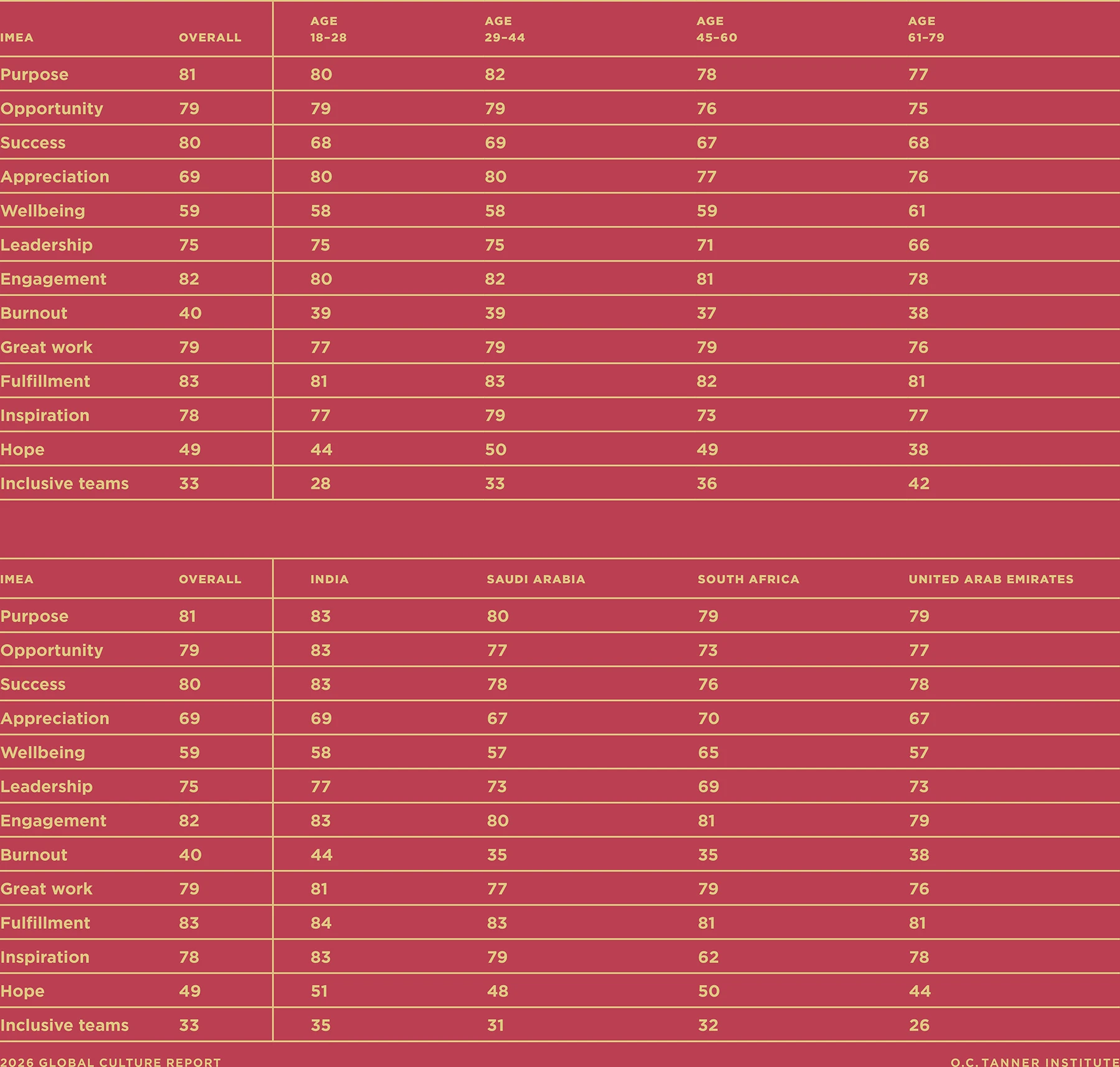
Inspiration, innovation, and growth are accelerating in companies across the IMEA region. Powered by a young, fast-growing workforce, organisations here continue to reshape workplace expectations with robust upskilling programs and increased schedule flexibility. Both India and Saudi Arabia have seen substantial job creation and falling unemployment rates—positive trends that contribute to the region’s elevated employee sentiment. The normalisation of hybrid work and the expansion of tech and innovation hubs across all regions reinforce strong employee engagement and the production of great work. Yet, while IMEA overall seems to be thriving, opportunities for improvement remain. In spite of a slight increase in wellbeing from last year, burnout is unchanged. And scores for both hope and inclusive teams are relatively low. These findings suggest that efficiency and high performance may be coming at the expense of meaningful employee connections and comprehensive mental healthcare. Our research underscores that even in high-performing regions, modern leadership helps sustain employee success by strengthening team dynamics that foster belonging, wellbeing, and a shared sense of hope.
—
Zubin Zack
Managing Director, India, Middle East, and Africa
Mumbai, India
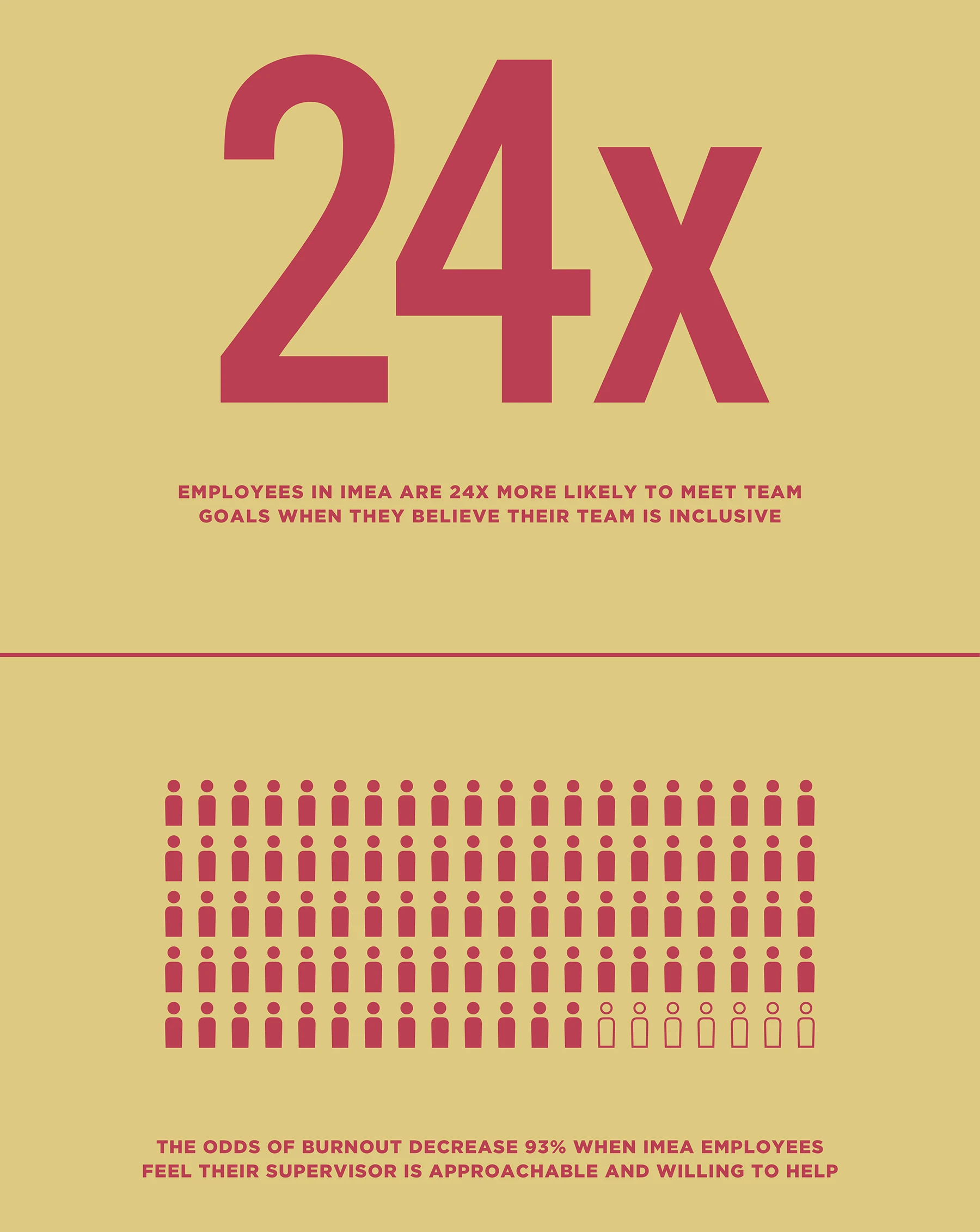
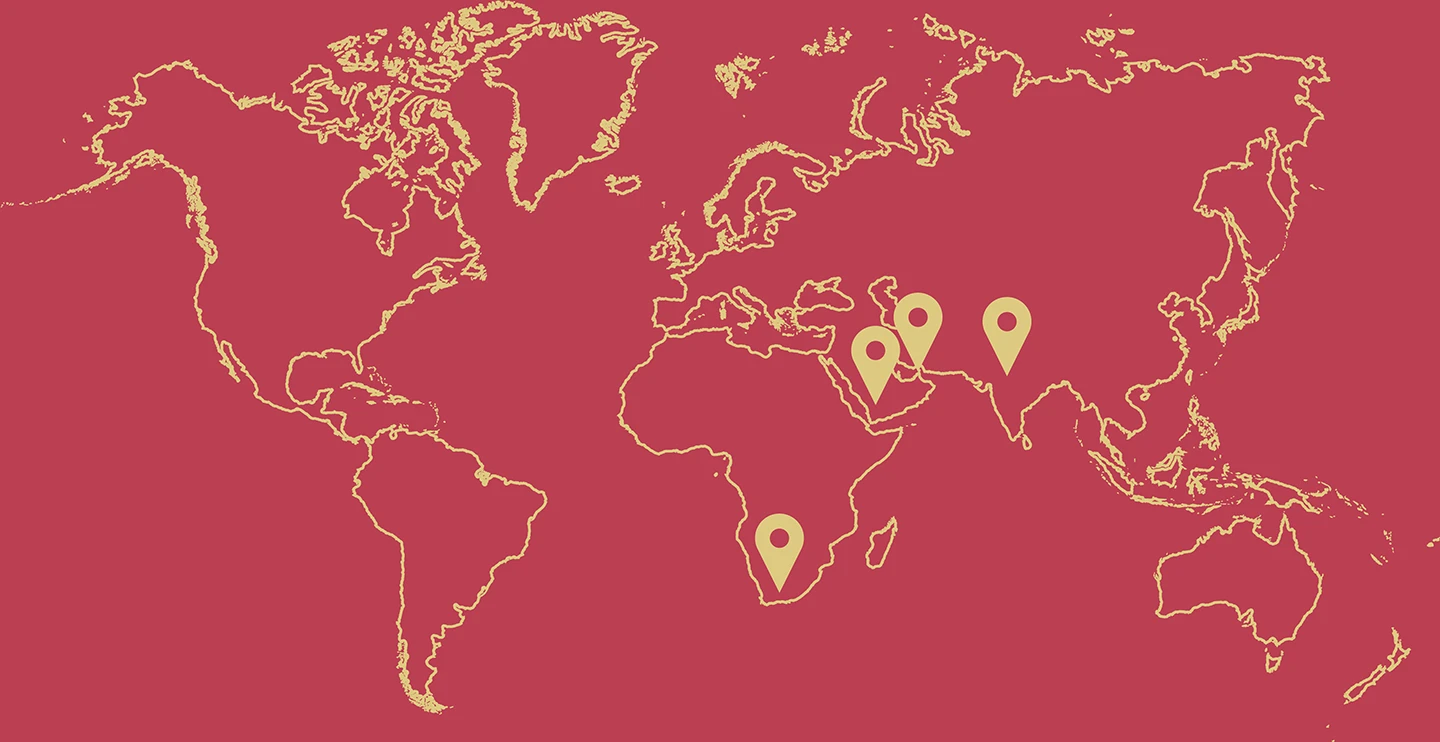
IMEA shows high scores across culture and performance metrics, with India continuing to lead the region. Most scores, however, remain generally unchanged from the previous year, with only a slight increase in wellbeing and fulfillment. Engagement and great work scores are high for Gen Z (age 22–28) and Millennial (age 29–44) employees, yet inclusive team scores are lower than their older colleagues. Scores for inspiration are high for both age and region, but there’s still room to improve in hope and inclusive teams.
APAC
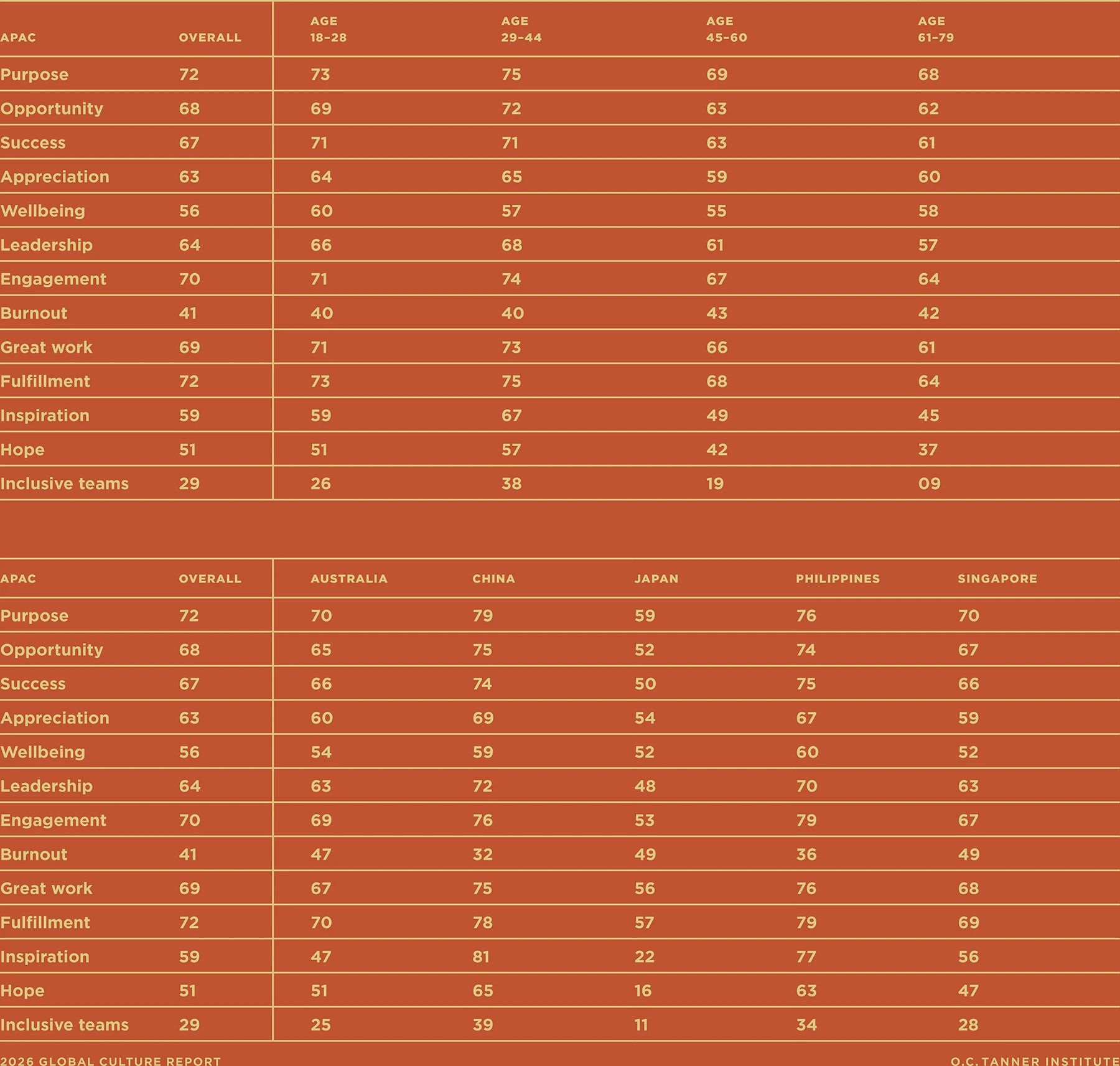
The APAC region continues to reflect a dynamic and often polarised landscape where some markets show encouraging momentum in innovation and growth while others grapple with employee experience challenges shaped by long-held traditions or beliefs. In Singapore, a larger investment in creating more inclusive workspaces persists. Organisations here are also expanding workforce planning and upskilling programs (particularly for mid- and late-career employees) in response to the disruption of rapidly advancing technology. Australia and the Philippines are promoting upskilling and flexible work design models, too, even as they navigate skilled labor shortages that put pressure on both talent pipelines and business innovation. And in Japan, employers are still struggling to modernize rigid work hierarchies where heightened stress and commitment are taking a toll on employee wellbeing. Organisational ambitions remain high across APAC as companies explore the promise of AI, albeit with some uncertainty of how it may impact entry-level roles. In the final analysis, future-focused employers can attract, retain, and grow their talent by fostering an inspiring workplace that prioritises belonging, inclusivity, and a holistic view of wellbeing.
—
Alan Heyward
Managing Director, Asia Pacific
Melbourne, Australia
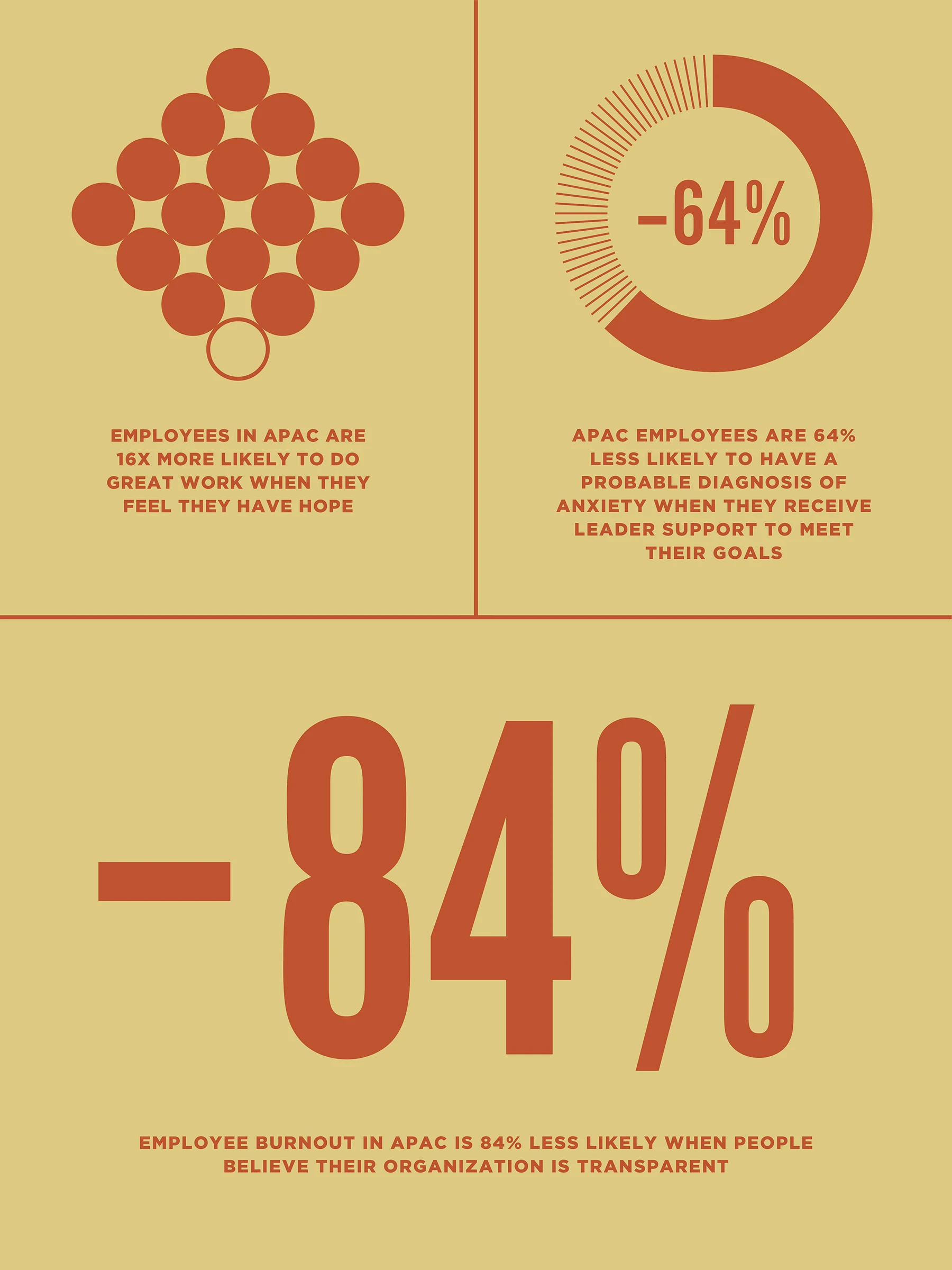

While APAC again sees great contrasts across the region, most Talent Magnet scores have slightly improved. We see upward movement in areas like success and great work, yet burnout has also increased. Purpose and opportunity scores for mid- and late-career workers are lower than their younger counterparts, suggesting that more effort is needed to upskill people and connect them to vision and meaning. Modest increases in wellbeing and fulfillment are promising, but more work can be done overall to ensure performance is balanced with connection, inclusion, and hope.
Methodology
The O.C. Tanner Institute uses multiple research methods to support the Global Culture Report, including interviews, focus groups, cross-sectional surveys, and a longitudinal survey.
Qualitative findings came from 18 focus groups among employees, leaders, and HR practitioners of larger organizations. The focus groups and additional interviews were held throughout 2024 and 2025, each representing various types of employers and industries, including both private and public entities.
Quantitative findings came from online survey interviews administered to employees across Australia, Belgium, Brazil, Canada, Chile, China, France, Germany, India, Italy, Japan, Mexico, the Netherlands, Poland, the Philippines, Saudi Arabia, Singapore, South Africa, Spain, Sweden, the United Arab Emirates, the United Kingdom, and the United States. The total sample size was 38,929 workers, drawn from companies with more than 500 employees. The O.C. Tanner Institute collected and analyzed all survey data. This sample is sufficient to generate meaningful conclusions about the cultures of organizations in the included countries. However, because the study does not include population data, the results are subject to statistical errors customarily associated with sample-based information.
All figures, unless otherwise stated, are from the O.C. Tanner Institute.
Turn Recognition Into Real Connection
Get Started Today
Top