Is Your Recognition Program Still Delivering the Impact and Value You Expect?



Key Takeaways
A recognition program that drives activity isn't the same as one that drives outcomes. The difference matters.
The market has changed. Technology, pricing transparency, and scalability look different than they did a few years ago.
There are specific questions you can ask right now to find out whether your program is built for real impact—or just built for adoption numbers.
You may already have an active employee recognition program in place, but here’s the important question: Is it working?
Not just "are people using it," although that does matter. But is it changing how your employees feel about their work, their managers, and your organization? Are the right behaviors getting reinforced, and is retention improving?
Many programs hit adoption milestones and still fall short of real impact. And the market has moved. If your recognition solution hasn't kept pace, the gap between what you're paying for and what you're getting may be wider than you think.
There's an important difference, and it's worth examining.
A recognition tool is software. It lets employees send eCards, redeem points, and celebrate work anniversaries. A recognition strategy is something bigger: a deliberate plan to reinforce the behaviors that drive your business, build belonging, and create the kind of culture people stay for.
Most programs start with the tool. The strategy is what many organizations never quite get to, and it’s a serious missed opportunity. If you’re not seeing the returns you were hoping for from your recognition program, a lack of integrated strategy is likely part of the problem.
Companies that utilize a more strategic approach to onboarding, including giving branded company swag and recognition points to new employees, see a 32% increase in new employee engagement.
Celebrating tenure milestones and life events is a start, but a recognition program that’s integrated into the everyday employee experience has the potential to deliver more significant results.
Ask yourself: When employees give or receive recognition, does it reinforce your company values and reflect real contributions? Or does it feel like checking a box?
McKinsey found that up to 55% of employee engagement is driven by nonfinancial recognition.
If your platform looks the same as it did three or four years ago, it may be time to take stock.
Today's leading recognition solutions go well beyond an Amazon-based rewards catalog and gift cards. Here's what the bar looks like now:
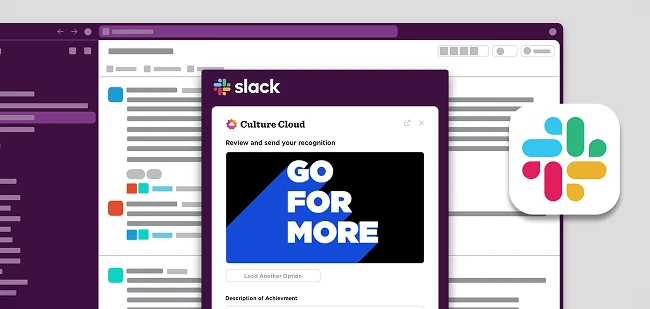
Employees shouldn't have to leave Microsoft Teams, Slack, Gmail, or Workday to give or receive recognition. Recognition that lives inside the tools your employees already use results in 4x more engagement, because it fits into the flow of work instead of competing with it.
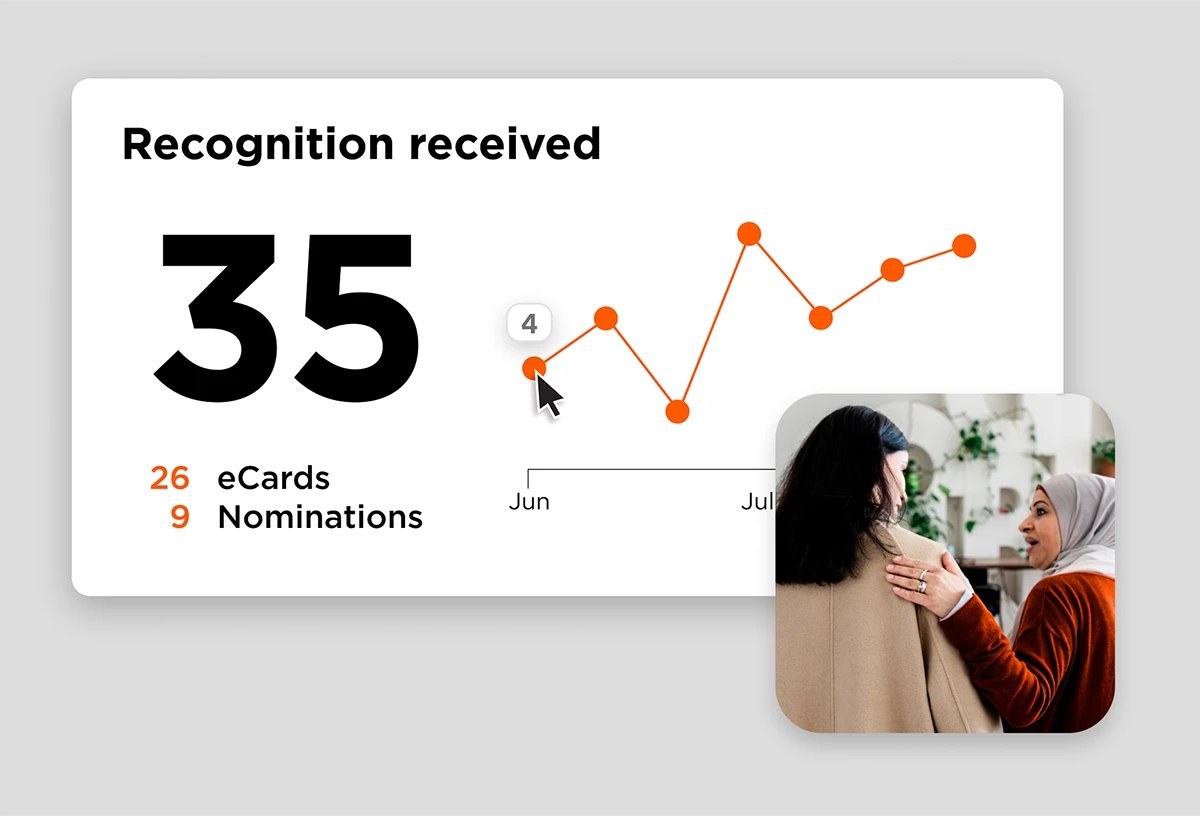
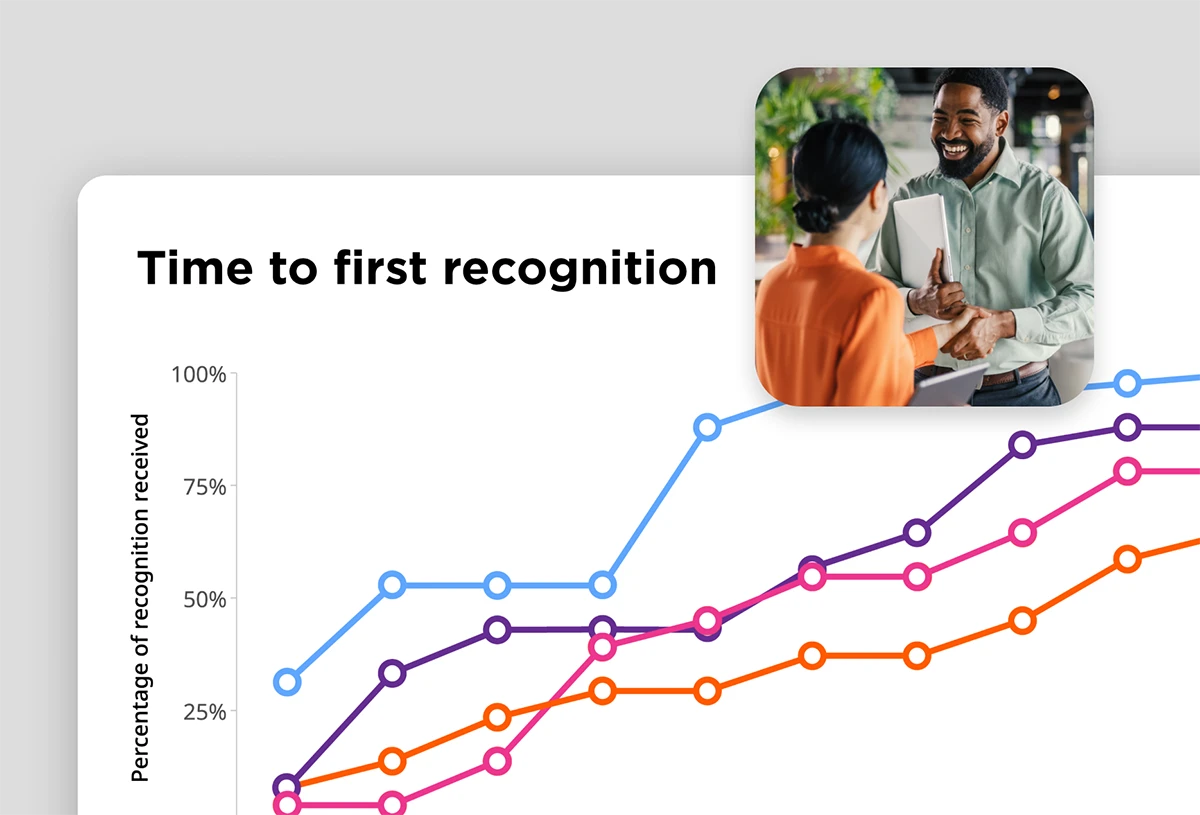
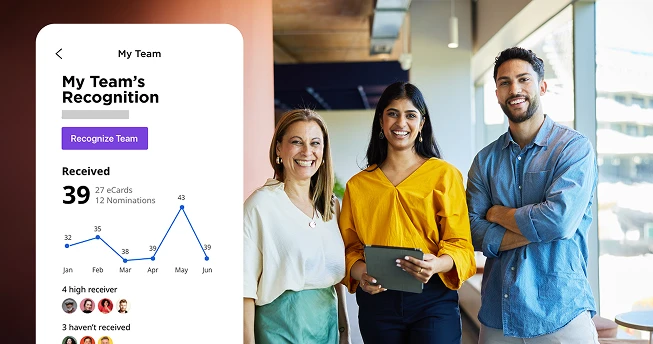
You should be able to see which teams are giving and receiving recognition, where there are gaps, and how recognition connects to engagement and retention. Your platform should include robust data dashboards that are easy to access and interpret, for leaders and program administrators.
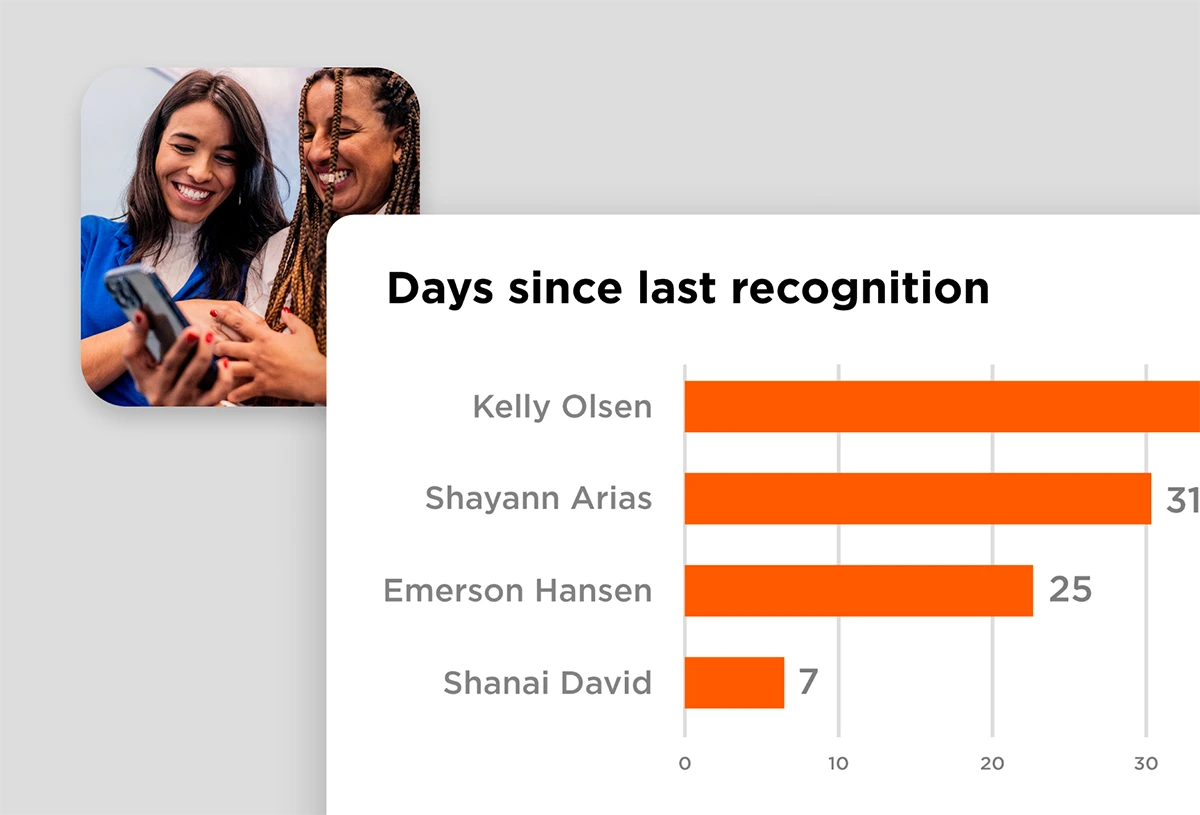
Recognition patterns reveal a lot about culture. A strong platform surfaces blind spots: managers who rarely recognize, teams that are consistently overlooked, and groups that may be receiving less appreciation than others. This is a big one since 79% of people who leave their jobs cite “lack of appreciation” as their reason.
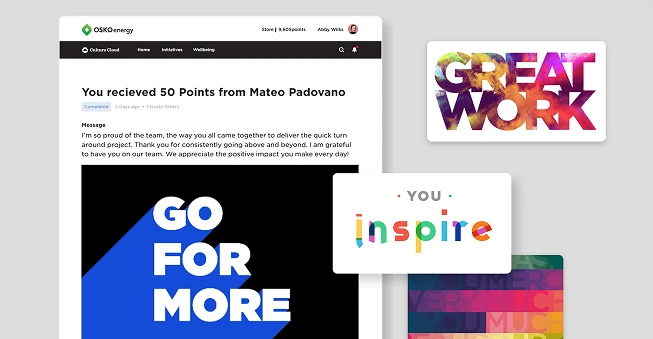
Recognition from a manager carries more weight than recognition from any other source. Harvard Business Review found that employees who reported that their managers were great at recognizing them were more than 40% more engaged—and less likely to quit. Your platform should make it easy for managers to recognize thoughtfully anytime, anywhere.
If your organization operates across countries, your recognition program needs to work across languages, currencies, and cultural contexts. Tacked-on global functionality isn't the same as a platform built with global sensitivity. Thanks Card, for example, is a Visa gift card that empowers companies to recognize employees anywhere in the world with instant, secure, flexible awards.
Research shows recognition that provides employees with flexibility of choice significantly boosts inspiration and engagement. When employees have autonomy and flexibility in how recognition is given and received, they’re far more likely to feel inspired to try new ideas, by as much as 11x.
See how O.C. Tanner helps organizations create world-class cultures that last, with data-driven strategies and hands-on collaboration that achieve enterprise-level results.
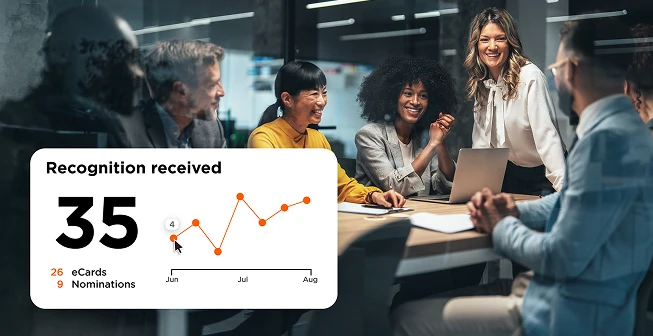
Participation rates and logins are a starting point, but they're not the full story. Here’s how to measure the ROI of your recognition program and the metrics that give you the most complete picture.
Are all employees being recognized, or just certain groups? Programs with significant recognition gaps often reinforce existing cultural problems instead of solving them. Look for disparities across departments, levels, and demographics.
Manager recognition has one of the strongest connections to employee engagement and belonging. A program where managers rarely participate is underdelivering, no matter how high overall adoption looks.
Workplaces with a strong sense of community and support see a 62% increase in employee tenure. If your platform can connect recognition activity to retention outcomes, that's one of the most compelling indicators of program value.
See how ICF uses recognition data to understand who is likely to stay and who’s a flight risk.
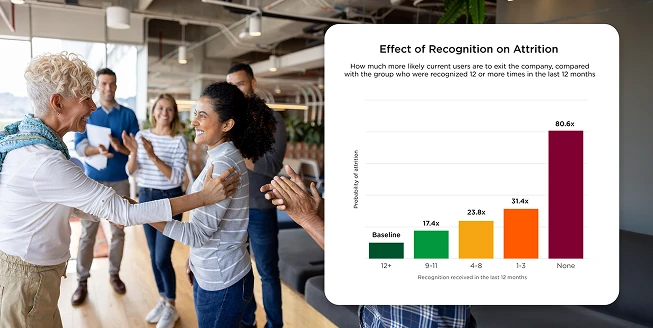
Are people writing thoughtful messages, or using generic templates? How specific and personal recognition is matters more than how often it happens. A platform that encourages meaningful recognition is doing something a volume-focused platform can't.
Recognition data should improve the things you care about most: engagement scores, performance, customer satisfaction, safety , or innovation.
Use these questions to take an honest look at where things stand.
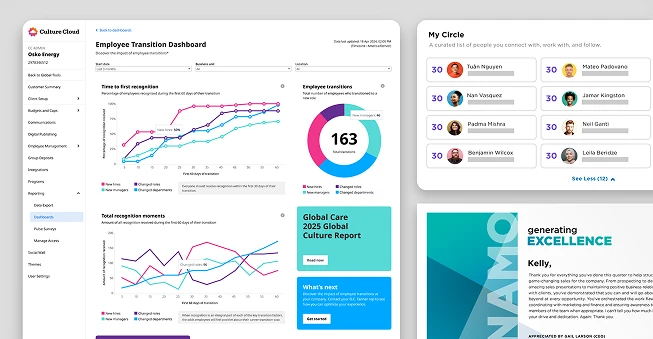
Assessing recognition vendors can be complicated. Here’s a list of questions you can bring to your research process and platform demos.
The short answer: it has to be built around people, not just around technology.
O.C. Tanner created Culture Cloud from decades of research into what actually drives great work, belonging, and retention. Here's what sets it apart:
Culture Cloud isn't built on assumptions about what recognition should look like. It's built on data from the annual Global Culture Report (including insights from tens of thousands of employees and leaders worldwide) and the ongoing work of our research institute. That research informs how the platform is designed and how it incorporates the latest insights into employee needs, attitudes, and behaviors.
Culture Cloud connects with Microsoft Teams, Slack, Gmail, Outlook, SharePoint, Workday, SAP SuccessFactors, and 75+ other HRIS systems so recognition happens within the flow of daily work, not as a separate task.
From Careerscapes—a tool that honors an employee's full career journey—to Say Thanks, a way for customers to thank frontline employees for excellent customer service.
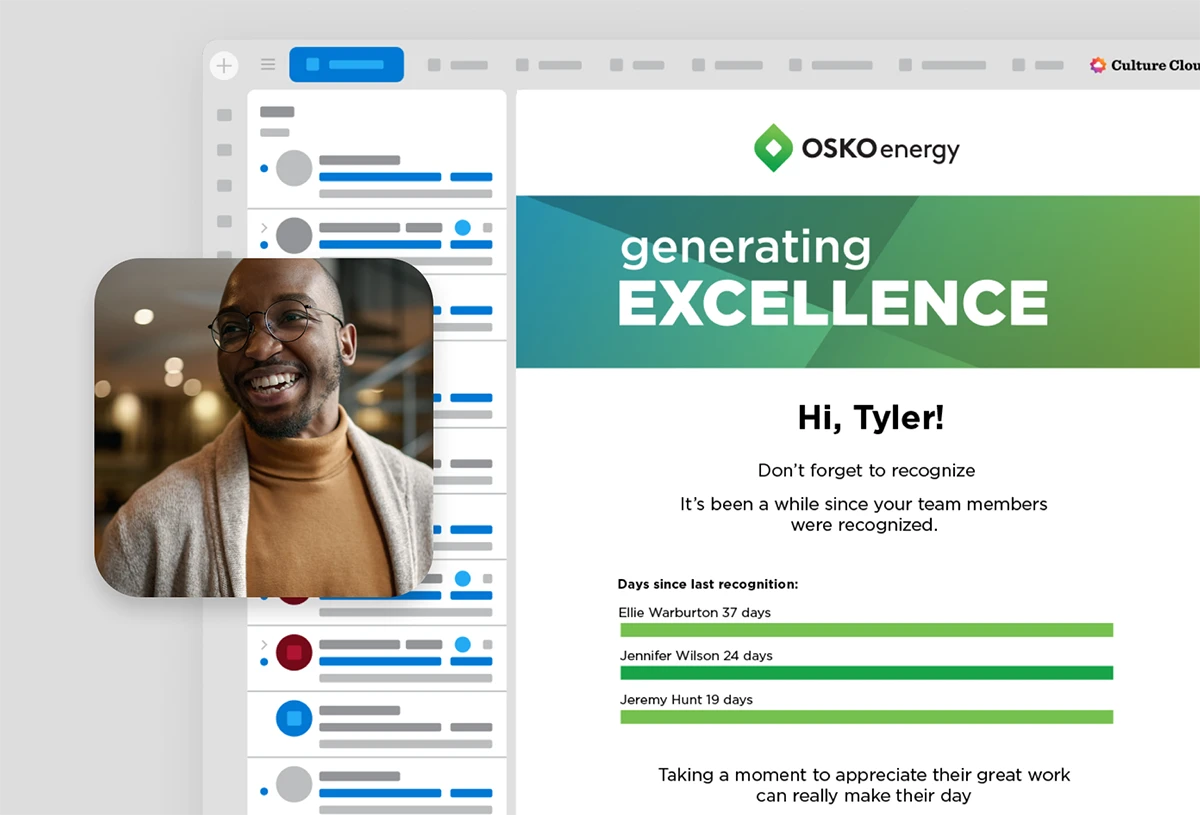
Culture Cloud gives managers the visibility and prompts they need to recognize their teams thoughtfully and consistently.
Whether you have 5,000 employees or 100,000, across one country or fifty, Culture Cloud is built to scale without losing the personal touch that makes recognition matter.
For a closer look at what's behind the O.C. Tanner platform, explore Research-Backed Employee Recognition and Customized Employee Recognition Programs.
A recognition program that's working will change things at your organization. Employees feel seen. Managers recognize regularly and well. Retention improves. Culture shifts gradually, then noticeably.
If that's not what you're seeing with your current recognition provider, it's worth asking why. The market has raised the bar. Your program should be meeting it.
Start with the diagnostic questions in this article. If you want to go further, explore why organizations choose O.C. Tanner and what a program built for real impact looks like.
Explore Culture Cloud to see how a research-driven, fully integrated platform delivers real outcomes for your employees and your business.