Employee Recognition in Hong Kong
Why It Matters, What’s Changing, and Where to Start

Why It Matters, What’s Changing, and Where to Start

EXECUTIVE SUMMARY
Recognition in Hong Kong is at a turning point. In a market where employees are reassessing the overall value of staying with an employer, occasional appreciation is no longer enough. Many organisations still rely on annual awards, service milestones, festive gifts, or recognition given at a manager’s discretion, but without structure, recognition can become inconsistent and difficult to measure. HR leaders have an opportunity to turn recognition into a more intentional part of the employee experience—one that reinforces the right behaviours, strengthens everyday connection, and helps people feel their contribution matters.

Imagine losing your best employee next Monday. Not because they got a better offer, but because they simply stopped feeling seen at work. That’s not a hypothetical in Hong Kong in 2026. It’s happening more frequently, across industries, at every level of seniority, and most organisations don’t see it coming.
Regional data points to the same challenge. According to the 2026 Global Culture Report by the O.C. Tanner Institute, only 63% of employees across APAC feel appreciated at work. Only 67% feel the sense of success that recognition communicates, and 68% feel a sense of opportunity at work. According to another survey, 30% of Hong Kong employees said recognition was the most important cultural element in the workplace.
Recognition is important for employees in Hong Kong, and the expectation around recognition is also changing. O.C. Tanner’s Employee Recognition Trends in Asia whitepaper maps this shift across the region. Recognition has moved away from annual award ceremonies and tenure milestones toward something more frequent and personal. While each market is at a different point on the “recognition readiness scale”, in Hong Kong, there is a wide gap between most organisations and best-in-class ones.
KPMG’s 2026 Employment Outlook surveyed 281 Hong Kong executives and professionals in January 2026 and found that job satisfaction fell from 47% to just 38% in a single year. In this environment, getting recognition right is no longer a nice-to-have; it is a strategic necessity.

Recognition isn’t a standalone HR initiative. It’s a direct response to some very real, compounding workforce challenges. Here’s what’s driving the demand for recognition in Hong Kong specifically.
Employees in the region continue to deliver, but many are doing so from a place of compliance and fatigue. They are looking for stronger connection, trust, and signs that their work is seen.
According to Randstad’s Workmonitor 2026, which surveyed over 26,000 workers globally, including in Hong Kong, trust in colleagues and senior leaders, as well as the sense of community at work, has declined compared to last year. At the same time, 72% of workers are placing greater importance on stronger relationships with their leaders. Employees are looking to their managers for more than task direction. They are looking for reassurance, connection, and signs that their effort is seen.
This is why everyday recognition matters. When recognition happens consistently, it helps managers turn routine moments into moments of clarity, appreciation, and trust.
Hybrid work is now firmly embedded in Hong Kong’s workplace. KPMG’s 2026 Employment Outlook confirms that flexible working and GBA cross-border mobility are increasingly defining Hong Kong’s talent proposition. The challenge is that when managers only see part of their team in person, proximity bias can creep in, and office-based employees may be noticed more often.
A 2024 survey of 500 Hong Kong employees found that 67% of remote workers felt less recognised than their office-based colleagues. A digital-first recognition platform like Culture Cloud® makes recognition consistently accessible and visible regardless of where someone sits.
Public recognition in Hong Kong carries cultural weight that is different from Western workplace norms. The concept of “face” (social standing and reputation) means that poorly designed recognition can cause more harm than no recognition at all. Singling someone out awkwardly or celebrating one person while ignoring others on the same team can quietly erode trust.
O.C. Tanner’s cross-market research found that Hong Kong employees prefer to be recognised for a specific skill or contribution and are more likely to find overly public praise uncomfortable. Recognition should be meaningful, specific, and tailored to how the individual wants to receive it. Culture Cloud provides a variety of recognition options, so employees can be recognised in a way that is most meaningful to them.

For organisations investing in recognition, the approach is shifting fast. Here’s what’s happening on the ground in Hong Kong and across Asia.

Unstructured recognition programmes can weaken retention, performance, and manager accountability.
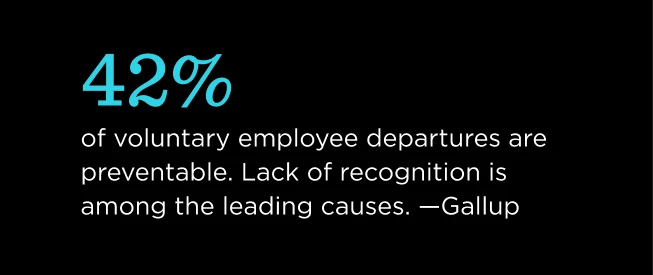
When employees do not feel consistently seen, satisfaction drops. Gallup's research found that a lack of recognition is among the top reasons people leave. The replacement cost can add up: 40% of annual salary for frontline roles, 80% for technical staff, and up to 200% for senior leaders.
Many organisations in Hong Kong already do some form of recognition through annual dinners, festive gifts, service awards, or manager thank-yous. The issue isn’t a lack of recognition; it’s inconsistent recognition. Without a structured programme, recognition depends entirely on individual managers, which can lead to uneven employee experiences. While some employees may be recognised regularly, others may not, and employees may be less likely to put forth their best effort.
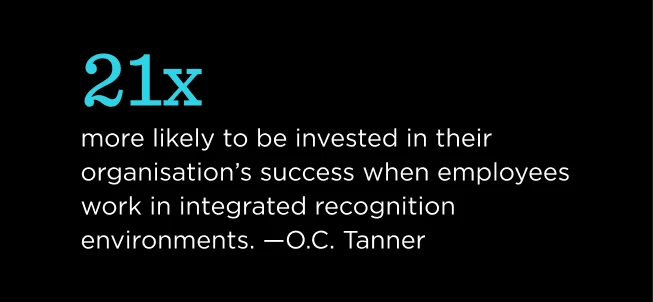
O.C. Tanner’s 2026 State of Employee Recognition report, drawing on 4,200+ employees across 10 countries, found that employees in integrated recognition environments are 21x more likely to be personally invested in their organisation’s success, and 25x more likely to produce great work. Only 21% of organisations globally have reached that standard. The rest are missing an opportunity to drive high performance.
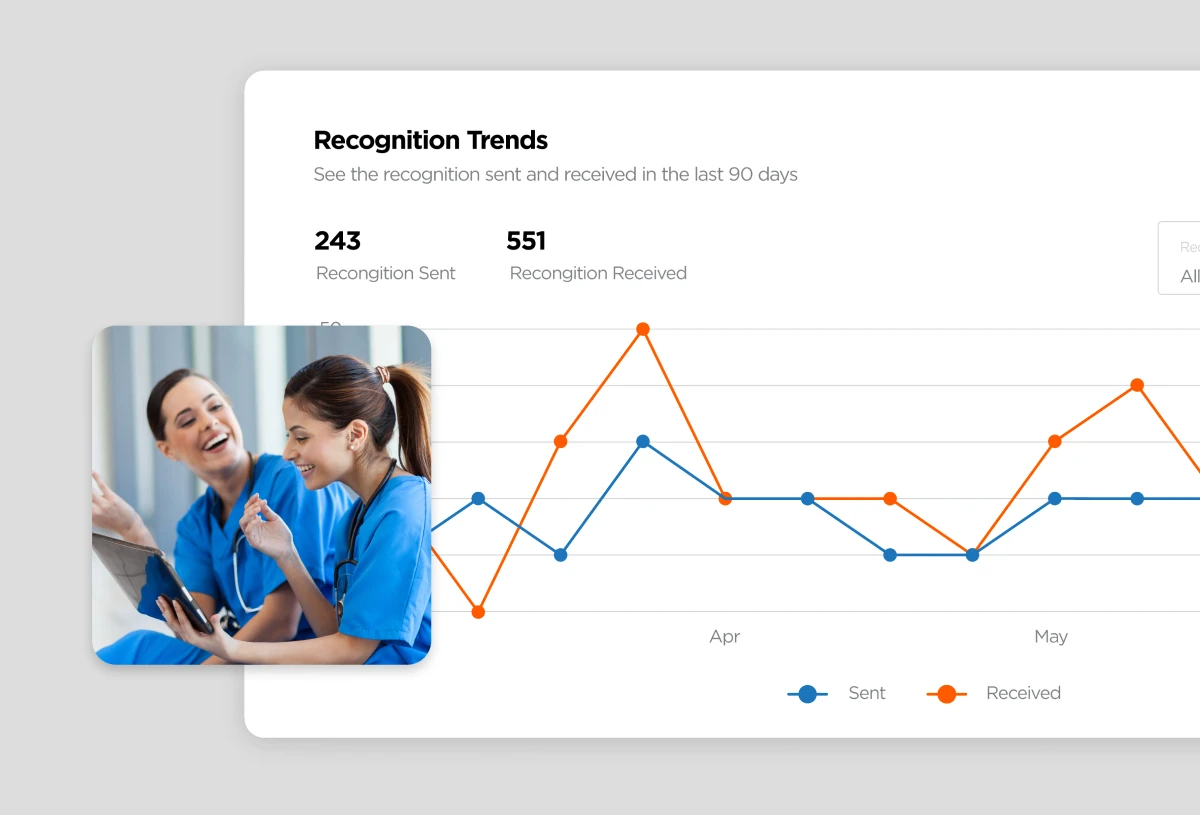
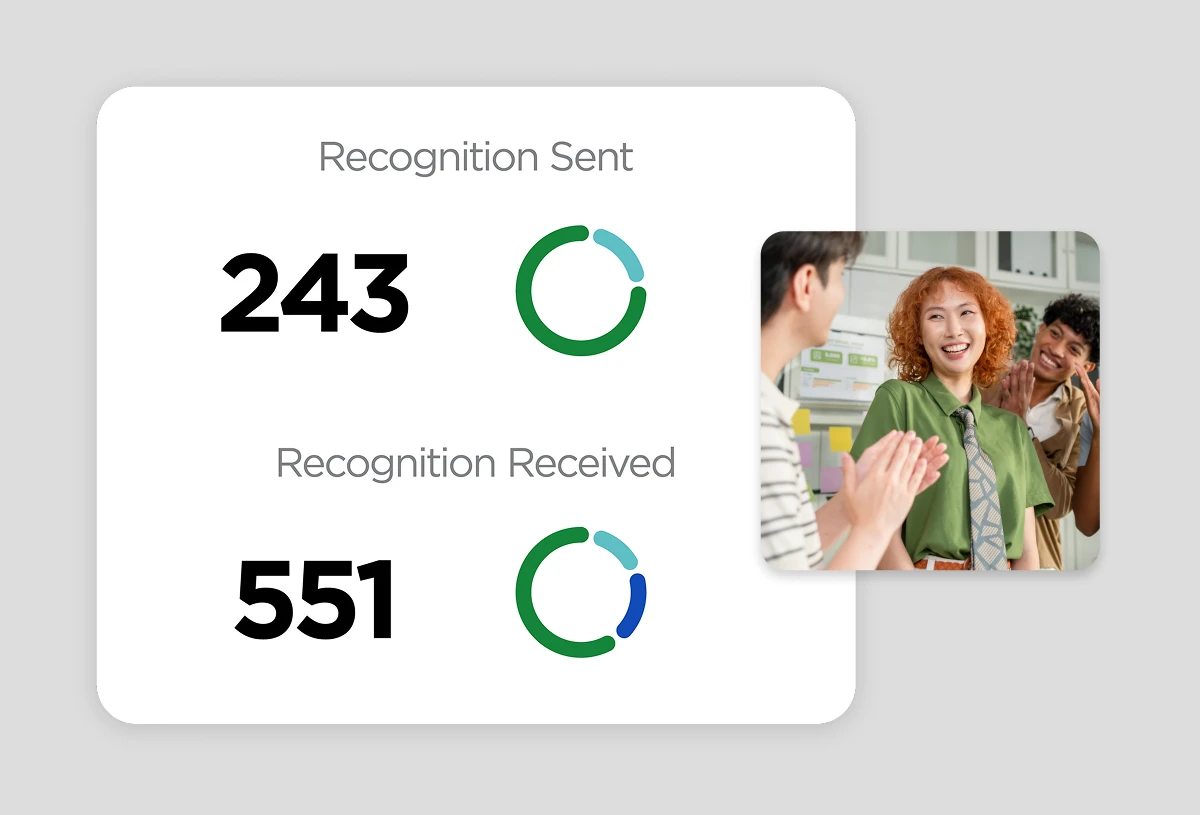
There is also a data problem. Without a consistent framework or system, HR leaders have limited visibility into who is being recognised, how often recognition is happening, which teams are participating, and where gaps exist. That makes it difficult to connect recognition to broader goals such as engagement, retention, culture, or manager effectiveness.
When recognition is inconsistent, employees can feel unseen and disconnected, which can add to stress and burnout risk. This is especially relevant in Hong Kong, where nearly 1 in 2 employees reported burnout, and 77% of employees experienced at least one mind health issue due to their jobs.
Recognition will not solve burnout on its own, but it can help create everyday moments of support, appreciation, and connection. O.C. Tanner’s research shows that employees who gave recognition in the past 30 days had 57% lower odds of burnout, 24% lower odds of probable anxiety, and 28% lower odds of probable depression. A structured recognition programme helps make appreciation more consistent, visible, and timely, so employees feel valued not just occasionally, but as part of everyday culture.

Start by answering five important questions before implementing a new recognition solution:
Once these foundations are clear, think carefully about delivery. In Hong Kong, recognition needs to balance global business expectations with local norms around hierarchy, respect, harmony, and face. Public recognition can work well, especially from a respected manager or senior leader, but it should feel sincere, not performative. Recognition that connects individual effort to team success often lands better than praise that isolates one person too strongly.
With those foundations in place, platforms like O.C. Tanner’s Culture Cloud can help bring the programme to life by supporting everyday recognition, service milestones, peer-to-peer moments, leader-led appreciation, and consistent delivery across all locations.

For Hong Kong organisations, the question is no longer whether recognition matters, but whether it is structured enough to happen consistently and meaningfully across the employee experience. With the right foundation, recognition can move from occasional appreciation to a practical system for strengthening connection, culture, and commitment at work.
O.C. Tanner’s Culture Cloud makes this possible by enabling recognition at scale across teams and locations while keeping each moment personal and locally relevant.