Researching Top Employee Recognition Providers
Part 4 of our Recognition Buyer’s Guide series

Part 4 of our Recognition Buyer’s Guide series

This article is part of our Recognition Buyer's Guide series. Access the rest of the series here:
In your search for a new recognition provider, researching potential partners may be the most important step before you speak to a provider’s sales team or invite them in for a demo. Use our guide for tips on how to search, what to look for, and how to find the best partner when all providers sound the same.
There are 2 main ways most companies curate a list of potential partners.
You likely have peers at other organizations who have already researched potential employee recognition partners and solutions, and have a partner they love (or experience with one they would not recommend). Questions to ask:
LinkedIn HR groups are also a great source of personal experience, or you can tap into your own network of connections for information.
Here are a couple of things to keep in mind during web research:

When you feel you have a broad understanding of the recognition providers available, it’s time to go deep. The goal: narrow the list before going to RFP or inviting potential providers for a meeting.
Here are 10 things to look for when vetting potential recognition providers:
What impact have their solutions had on their clients? What resources do they have on the latest recognition best practices? Are they well-known and reputable in the industry? Do they work with the top organizations in your industry?

How comprehensive are their recognition products and solutions? Can they help you recognize all facets of the employee journey, from pre-hire to retirement, and everything in between?

Do their recognition products integrate with the tools your employees use every day? Do they integrate with your wellbeing programs?
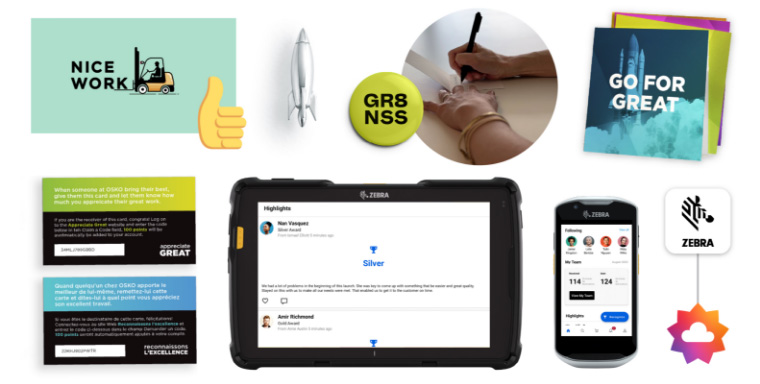
If you have employees who don’t work at a computer, do they have mobile apps, plug-ins, and tools to recognize those workers?
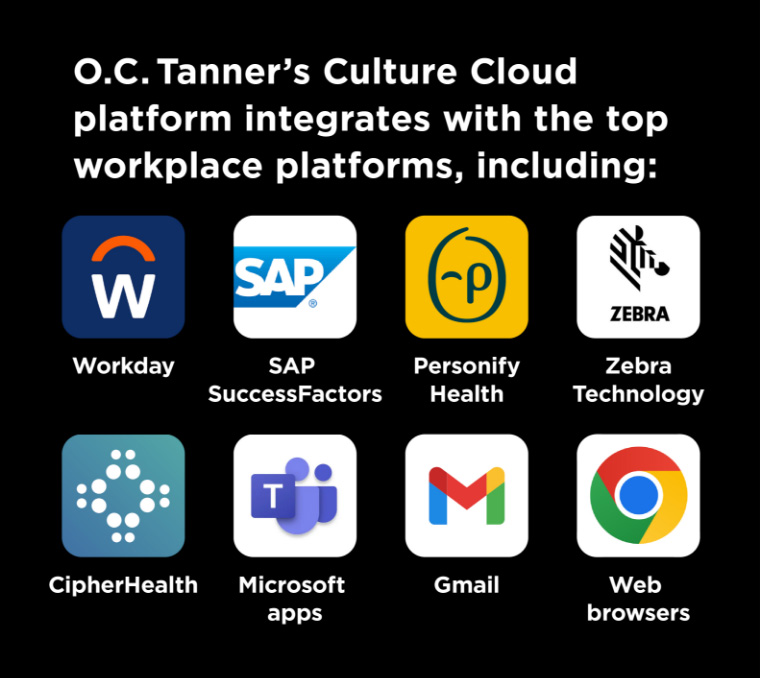
“We worked hand-in-hand with O.C. Tanner to ensure all employees had access to Everyday Wins, which is often the single biggest barrier. Our office employees had computers, but for many of our production employees we created kiosks so they could access the program.”
—Jeff Finley, Total Rewards and Recognition Program Manager, 3M
What engagement reports, insights, and AI capabilities do they offer?
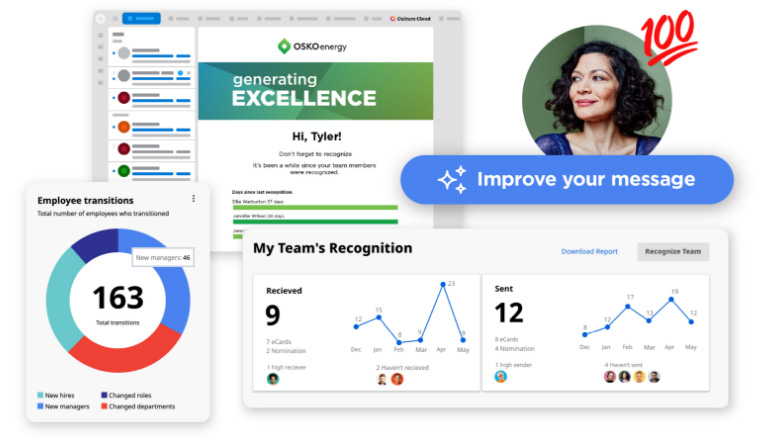
Are their awards and platforms customizable? Can they provide solutions that look and feel like part of your company’s culture?

Are there consulting, communication, training, and measurement services available to help you maximize your recognition efforts?
Do they have global expertise in local markets? Can they help with translations, local taxes, local customer service, global award offerings, and global strategy best practices?

“O.C. Tanner was very accommodating in the way they customized the whole program for us. We wanted a Deloitte look and feel with branding, tied back to our values, and a certain process flow. O.C. Tanner helped us assemble this culture of appreciation.”
—Dr. Badari Narayana, Executive Director, Deloitte India
What other companies do they work with, and what do those customers say about their partnership?
What do software sites like G2 say about the provider in comparison to others? How do they perform in evaluations by PEAK Matrix® for Rewards and Recognition by Everest Group, IDC’s Vendor Assessment, or the Fosway 9-Grid? How many clients do they have on FORTUNE Best Companies to Work For® and other lists?
“In a tight and unpredictable talent market, a positive workplace culture can be the difference that helps your business retain its people and thrive. By providing employee recognition solutions that clearly enhance job satisfaction, O.C. Tanner has earned their place as a Strategic Leader this year.”
—David Wilson, CEO and founder of Fosway Group
While RFPs may seem intimidating and cumbersome, they don’t have to be. Use these six tips to make sure it goes smoothly:
Choose three to five vendors to target—more than that and it will overcomplicate the process.
Understand which program features are commonly available and which stand out, and don’t compromise on the most important ones to you and your organization.
Create a scorecard to ensure your request addresses all the needs of your organization. It’ll also minimize bias and protect against groupthink when it’s time to review proposals.
Sending a generic RFP template is a big, time-consuming mistake. Ask questions specifically around recognition platforms and solutions.
The more questions you ask, the more questions you’ll have to read, analyze, and score. Stay focused and ask only the questions you couldn’t answer in your research.
As good as an RFP can be, it’s not sufficient by itself. It’s a start to helping gather as much information as possible, but it shouldn’t replace conversations, presentations, demos, and follow-up meetings.
Start your RFP

The hard work doesn’t stop after you’ve narrowed down your list of providers. To truly compare them all, you’ll want to:
If you’ve leveraged your referrals, done your research, and conducted a prudent RFP, your organization is perfectly positioned to make a final decision.
“From the beginning, O.C. Tanner has really impressed us with their willingness to truly partner and listen to what our needs were. It was a very easy process to come up with a design implement in a very short period of time.”
—Amanda Lee, Chief People Officer, AGL Energy